
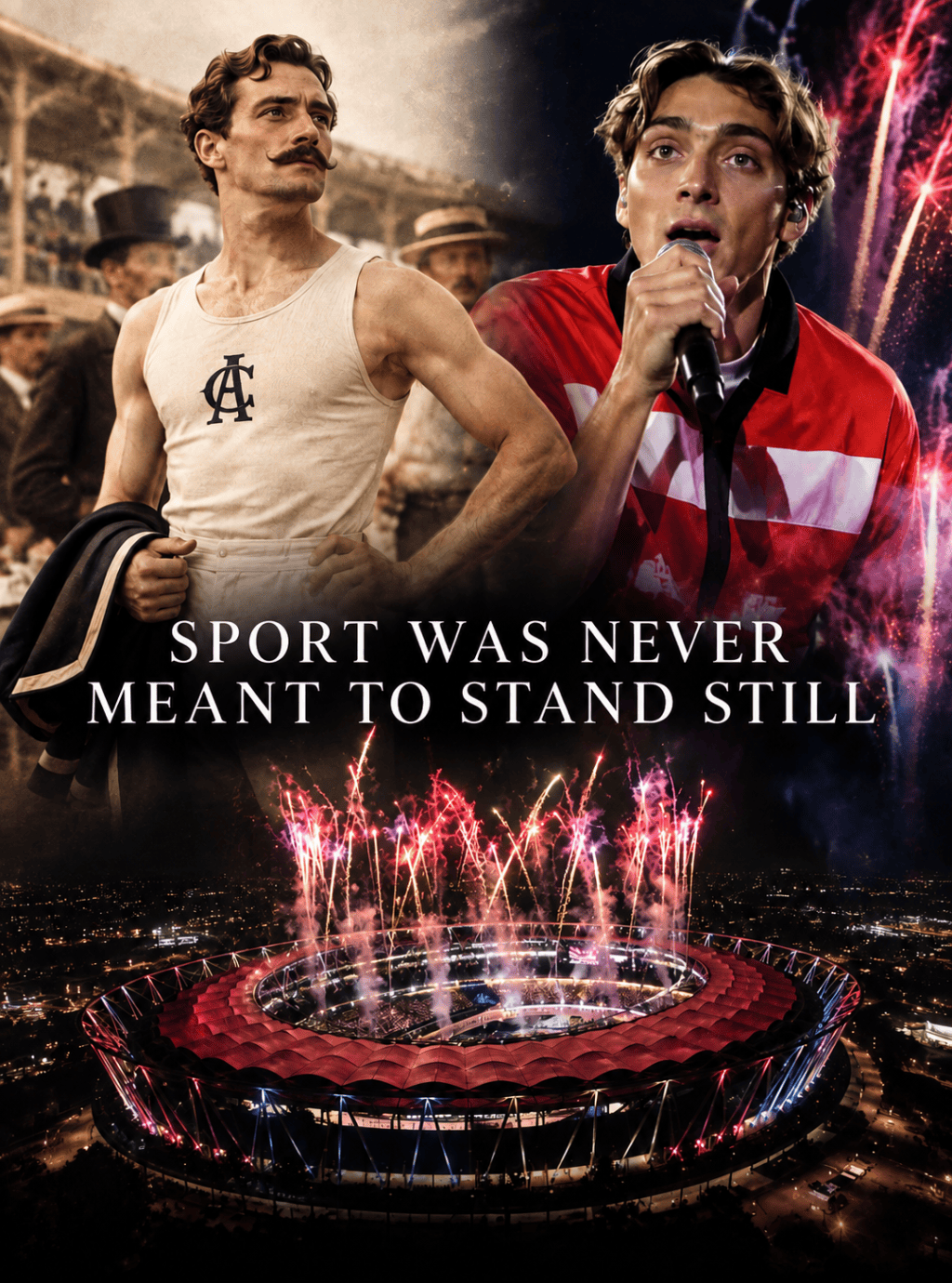
There is something fascinating about the way sport changes.
Not simply the rules, the equipment or the records. The culture around it. What we believe sport should look like. How athletes should behave. What spectators expect to experience. Even what we consider appropriate when somebody wins.
And perhaps we forget how much all of those things have already changed.
Go back to nineteenth-century Britain, where so much of modern organised sport was codified, and you find a world very different from ours. Sport itself was certainly not exclusive to the aristocracy — working people had been running, fighting, rowing, racing and playing games for centuries — but many of the institutions that came to govern modern sport were heavily influenced by the British upper and middle classes.
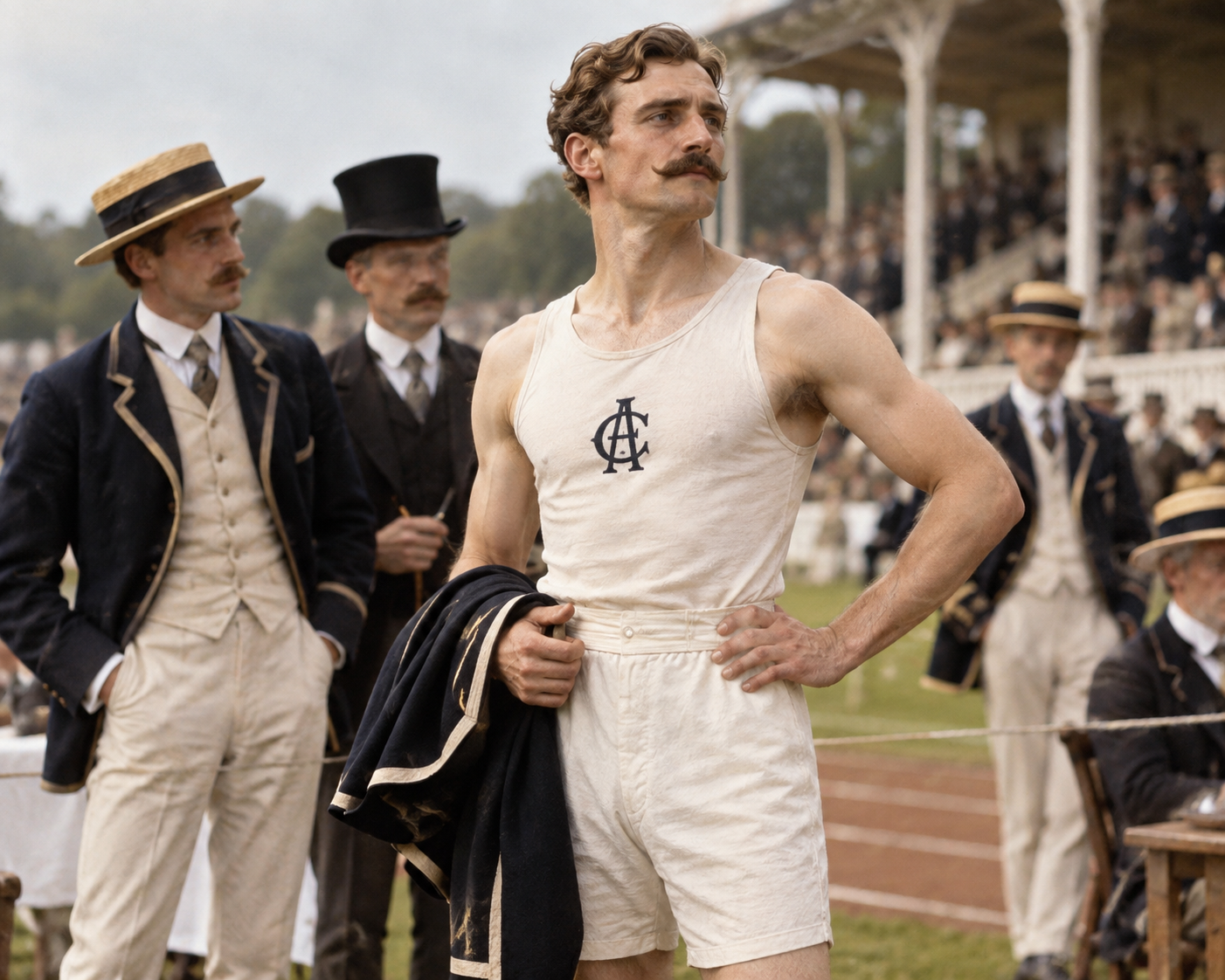
From that world emerged one of the most powerful figures in the history of sport: the gentleman amateur.
The idea was quite simple. A gentleman competed because he loved the game. He did not need to be paid. He did not depend upon victory for his livelihood. Sport was supposed to develop character rather than provide a career.
There were some admirable principles within that philosophy. Fair play. Respect for your opponent. Loyalty. Courage. Modesty in victory and dignity in defeat.
But there was another side to it.
Professionalism was viewed with considerable suspicion. In athletics, rowing and rugby union, payment was prohibited. In several sports, amateur regulations also became an effective way of excluding working-class athletes from the institutions controlled by the social elite. The distinction between the amateur and the professional was not simply about money. It was also about class.
And the philosophy extended into preparation itself.
The gentleman athlete was expected, at least to some extent, to make excellence appear natural. Too much visible training could look rather too serious, too deliberate, perhaps even too professional. The famous amateur footballer G. O. Smith reportedly claimed that he never found it necessary to train. The implication was revealing: sporting excellence should somehow appear effortless.
Think about how extraordinary that sounds today.
Modern elite sport has moved almost completely in the opposite direction.
Today we celebrate preparation. Athletes employ coaches, physiologists, psychologists, nutritionists, biomechanists and analysts. We measure sleep, training load, recovery and milliseconds. We travel around the world searching for tiny performance gains.
The amateur became the professional.
And now I wonder whether we are entering another transformation.
Not this time in how athletes prepare for sport, but in how sport presents itself to the world.
For much of its history, traditional sport has carried some of that old Victorian seriousness with it. There was a correct way to compete, a correct way to behave and even a correct way to celebrate.
Win. Shake hands. Accept the medal. Stand on the podium. Smile for the photograph.
Don’t make too much fuss.
But look at what is happening around us now.
A few weeks ago I watched the first World Athletics Ultimate Championship in Budapest. World Athletics had deliberately challenged many of its traditional conventions. Instead of long championship programmes, it created three compact evening sessions of around three hours, packed with finals and designed partly around the television and spectator experience. More than 61,000 people attended across three sold-out evenings. The championship was explicitly used to test new formats, technology, presentation and different ways for athletes to connect with fans.
And then the championship ended in a way that would have seemed almost unimaginable to previous generations of athletics administrators.
Mondo Duplantis sang.
Not metaphorically.
The greatest pole vaulter of his generation had written Gold, the official anthem of the championship, and after competing as an athlete he performed it live in the stadium to close the event.
The athlete had become competitor, entertainer and personality at the same event.
That matters.
Because people increasingly do not want simply to watch athletic performance. They want to experience sport.
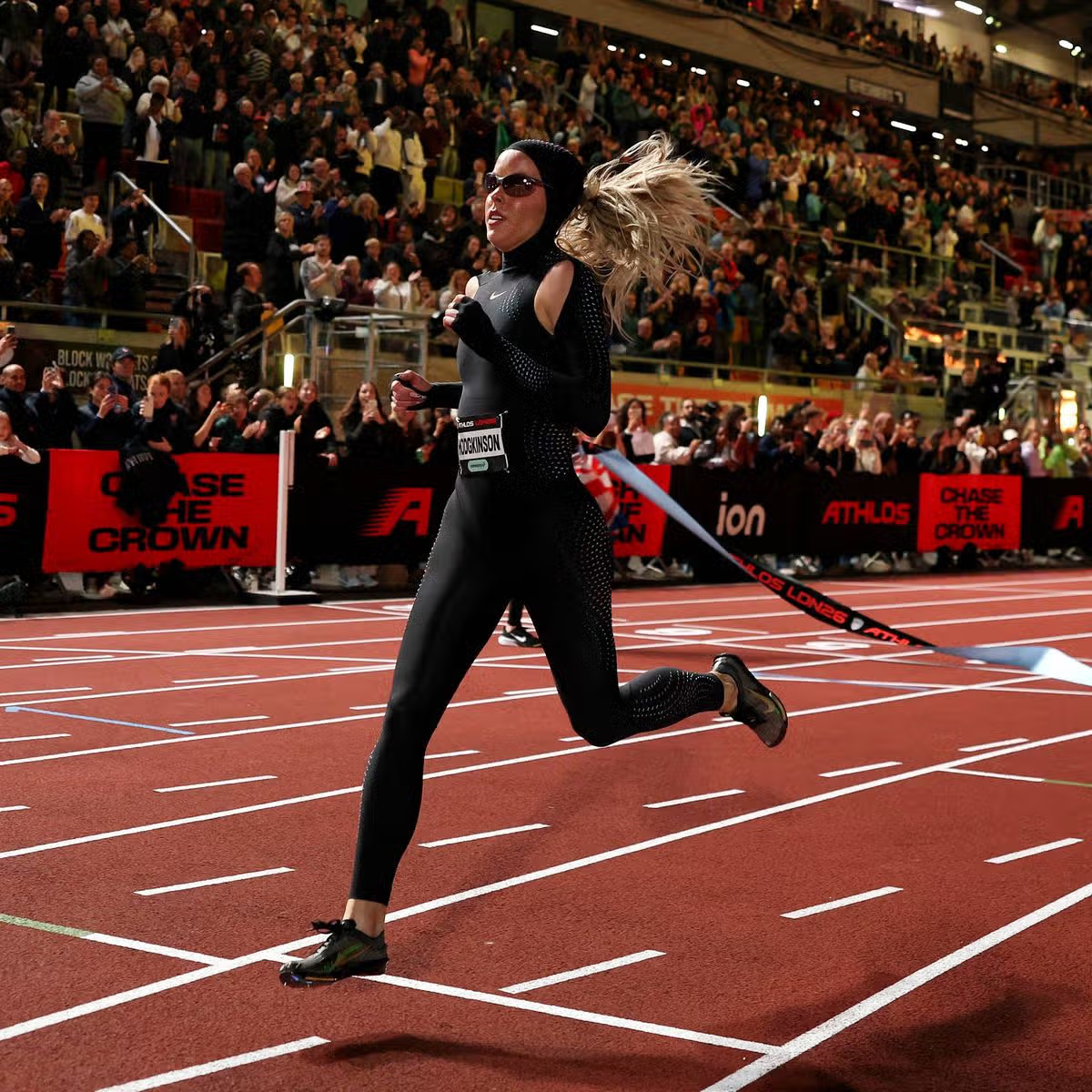
ATHLOS is experimenting with something similar. Its women’s athletics events combine elite competition with entertainment, individual athlete introductions, significant prize money and a deliberate attempt to give athletes greater personality and visibility. Winners in London received Tiffany-designed crowns. Athletes are even being given equity in the competition they are helping to build. ATHLOS itself describes the concept as combining a track meeting with the entertainment of a music festival.
Even the Olympic movement is moving in this direction.
The Olympic Qualifier Series for Paris 2024 brought skateboarding, BMX freestyle, sport climbing and breaking together in urban environments in Shanghai and Budapest. This was not simply qualification disguised as another traditional sporting competition. Music, art and culture were deliberately built around the sport. Around 60,000 spectators attended the Budapest event, with fans able not only to watch but to experience and try the sports themselves.
That is significant.
Skateboarding and surfing have brought something else into the Olympic movement too: sporting cultures that did not originate inside traditional federations. They came with their own language, music, clothing, communities and ideas about what competition should feel like.
Rather than forcing all of that out of them, perhaps sport is beginning to understand that this culture is part of their appeal.
I think about this a lot with Paddle Games.
From the beginning, we have tried to create something where racing is at the centre, but where racing is not the entire experience.
We want people close to the athletes. We want music. We want personality. We want different formats. We want athletes involved in designing those formats. We want children racing alongside Olympians. We want people who happen to be walking through a city to stop and discover our sport.
And when the racing finishes, we celebrate.
Properly.
Music. Champagne. Athletes together. Organisers together. The White Party. Stories from the races being retold a few hours after they happened.
None of this makes the competition less serious.
That distinction is important.
Messias Baptista and Carlos Arévalo were not racing any less fiercely in Palma because there was going to be a party afterwards. Antía Jácome was not less determined because the environment around the competition was informal and celebratory. If anything, what I saw was the opposite.
When the race started, they raced.
When it finished, they celebrated.
Perhaps we have spent too long believing those two things are somehow incompatible.
There is a bigger question here for every sport.
We often talk about attracting younger audiences as though the problem belongs to young people.
Their attention spans are shorter.
They consume sport differently.
They are always on their phones.
Maybe.
But perhaps we should ask a more uncomfortable question.
Have our sports changed as quickly as the society around them?
Because the world has changed enormously.
People experience entertainment differently. They discover athletes through social media. They follow personalities as much as teams. They move constantly between sport, music, fashion, gaming and culture. The boundaries that sporting institutions spent decades protecting matter much less to the people we are trying to reach.
And yet many sports continue to present themselves almost exactly as they did decades ago.
Same competition structures.
Same ceremonies.
Same distance between athletes and spectators.
Same assumption that tradition itself is a reason not to change.
History suggests otherwise.
Sport has always changed.
There was a time when being paid to compete was considered contrary to the very spirit of sport.
There was a time when training too seriously could be regarded as suspiciously professional.
There was a time when the ideal sportsman was expected to make excellence appear almost effortless and accept victory with restrained modesty.
Today athletes train twice a day, employ teams of specialists, build global personal brands, earn money from their performances and, occasionally, finish a world championship by picking up a microphone and singing the official anthem.
Sport survived every one of those transformations.
More than survived.
It became bigger because of them.
That does not mean everything new is automatically better. Tradition matters. History matters. The rituals of sport connect generations, and we should be careful not to turn every competition into entertainment with a sporting event hidden somewhere inside it.
The race must still matter.
Perhaps that is the line we should protect.
Not the ceremony around sport. Not the old conventions. Not the way things have always been done.
The competition.
Protect the integrity of the competition fiercely.
And then be brave enough to reinvent almost everything around it.
Because society will continue changing whether sport chooses to change with it or not.
The question is not whether the next generation loves sport.
I think they do.
The more interesting question is whether we are prepared to create the kind of sport they will want to experience.
Sport was never meant to stand still.


Leave a Reply