
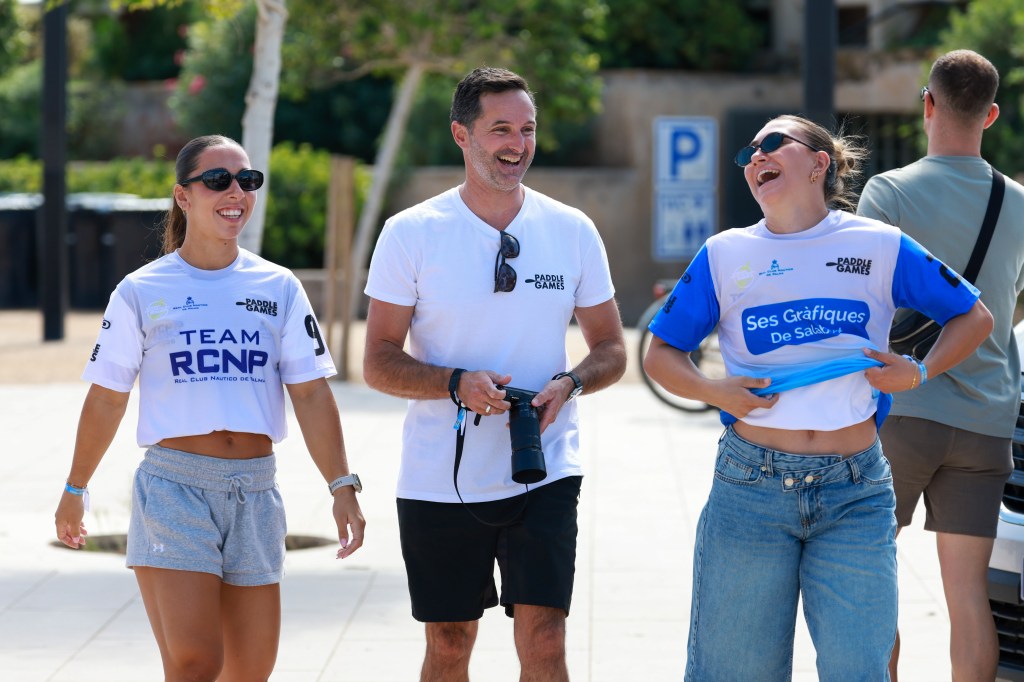
On Sunday morning, after very little sleep, I went for a swim in the sea.
It is one of those little rituals I love whenever I am in Palma. I get up, walk down to the water before breakfast and swim for a while. There is something about being in the sea early in the morning that helps me slow everything down.
I probably needed it that Sunday.
The night before had not been particularly quiet.
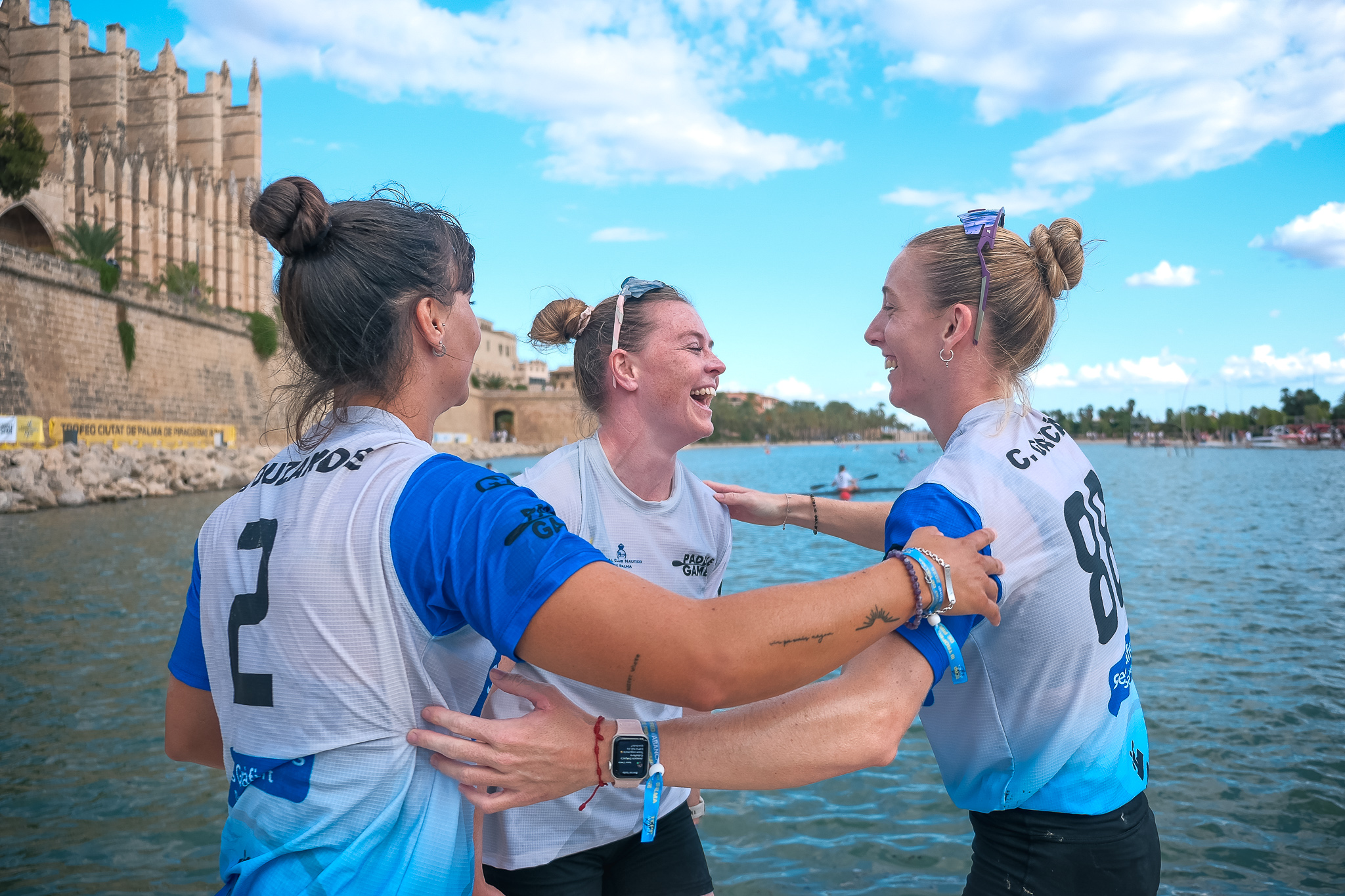
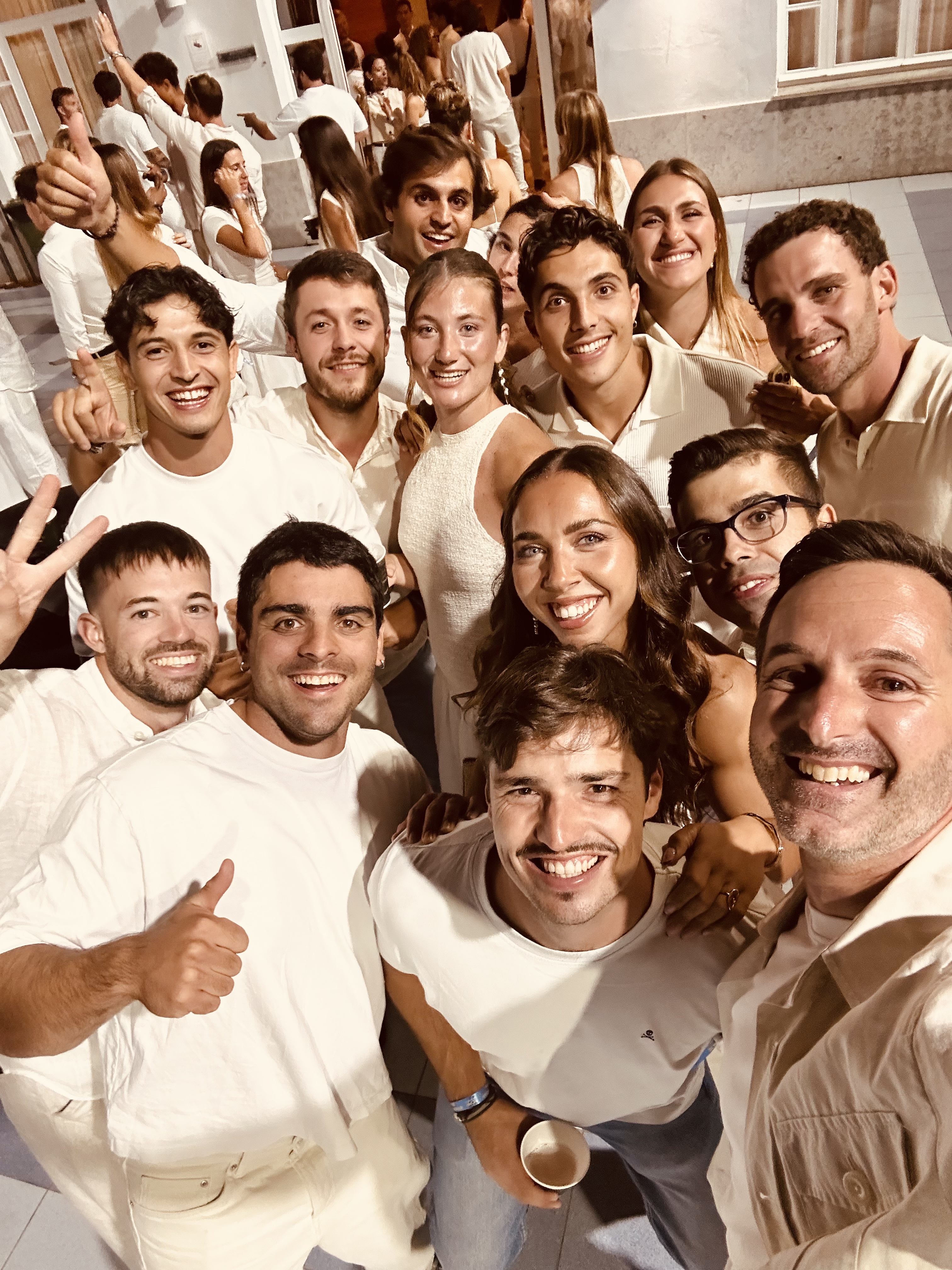
We had just celebrated what I believe was our most successful Paddle Games so far. After the racing came our now traditional White Party, and with it music, laughter, dancing and long conversations with athletes, staff, organisers and friends.
A few hours later, slightly tired but revived by the Mediterranean, I sat down for breakfast with some of the athletes.
That conversation probably meant as much to me as anything that had happened on the water the previous day.
They told me how different Paddle Games felt. They talked about feeling cared for. From the moment we collected them at the airport until the moment we would take them back there, they felt the whole experience had been designed to make them feel special.
One of them described it as the best experience they had ever had at an event.
Of course, that made me proud. But something else they said interested me even more.
They talked about the people they had met.
At a World Cup or World Championships, athletes arrive with their national teams. Everything has a purpose. Training. Eating. Recovering. Meetings. Racing. Everyone is understandably focused on performance. There isn’t much opportunity to share a room with a complete stranger from another country, spend an evening getting to know them, race alongside them the following day and perhaps leave the event with a new friend.
At Paddle Games, that happens. Sometimes deliberately. Sometimes accidentally.
For some athletes, it means stepping outside their comfort zone. And that isn’t always easy. But listening to them that morning, I realised how much they valued it.
A few hours later, I was on the plane home to Oxford. It was probably the first time all weekend that I had properly stopped. No races to organise. No next thing that needed doing.
So I opened my laptop and started writing.
I kept thinking about that long breakfast, and about everything we had experienced together over the previous few days.
Events are strange when you are involved in organising them. While they are happening, you rarely have the time or distance to understand them. You are constantly looking ahead to the next race, the next problem, the next detail.
Sometimes it is only when you leave that you begin to see what actually happened.
Somewhere between Palma and London, I kept returning to something I had said when opening the event two days earlier: for us, the athletes are the most important people.
It is an easy thing to say.
The challenge is to make people feel it.
And listening to them over breakfast that Sunday morning, I realised that perhaps this was the thing I was proudest of.
Not creating sport for athletes.
Creating it with them.
The race I would have wanted as a child
My mind went back to the beginning of the previous day’s racing.
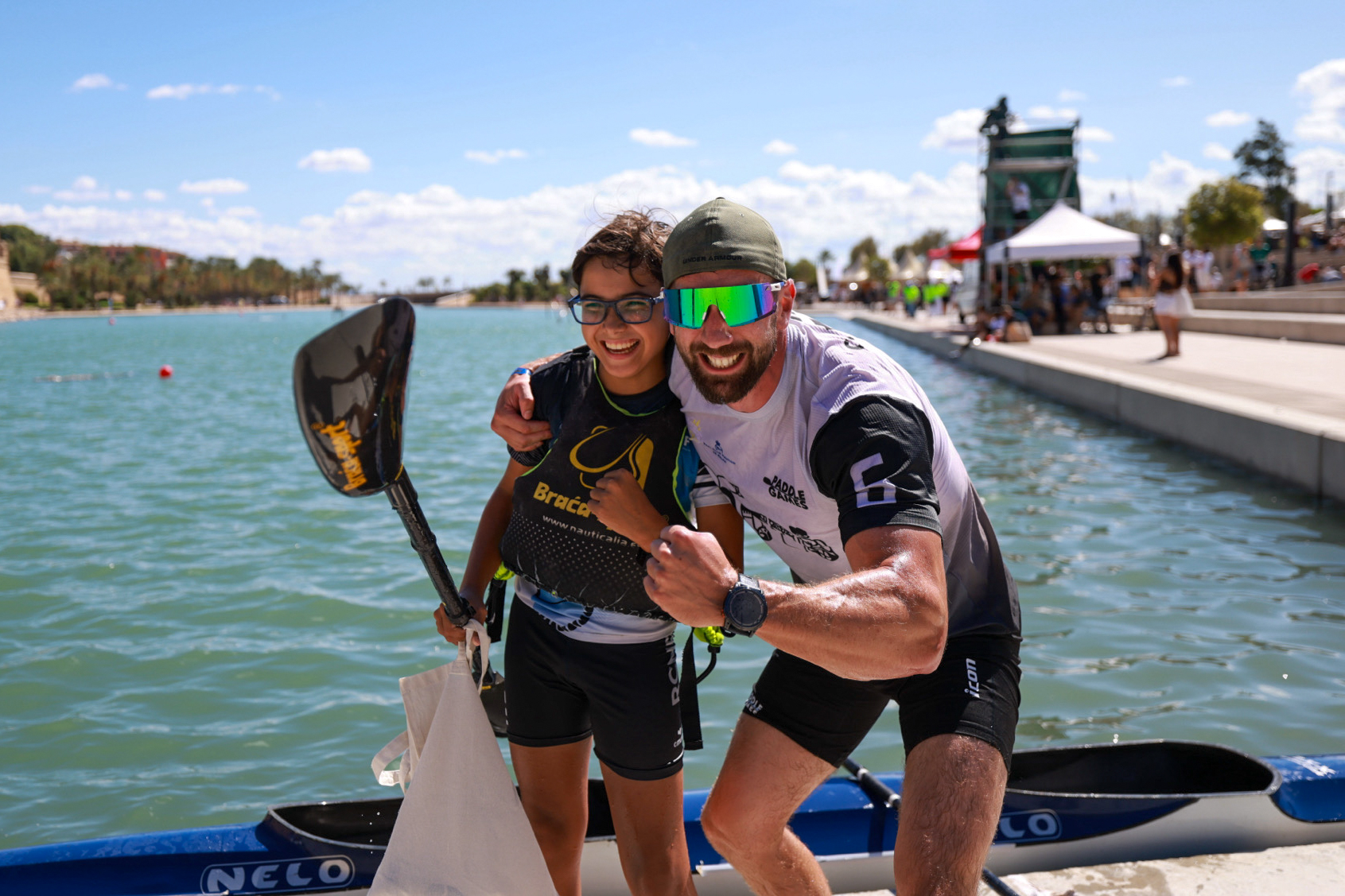
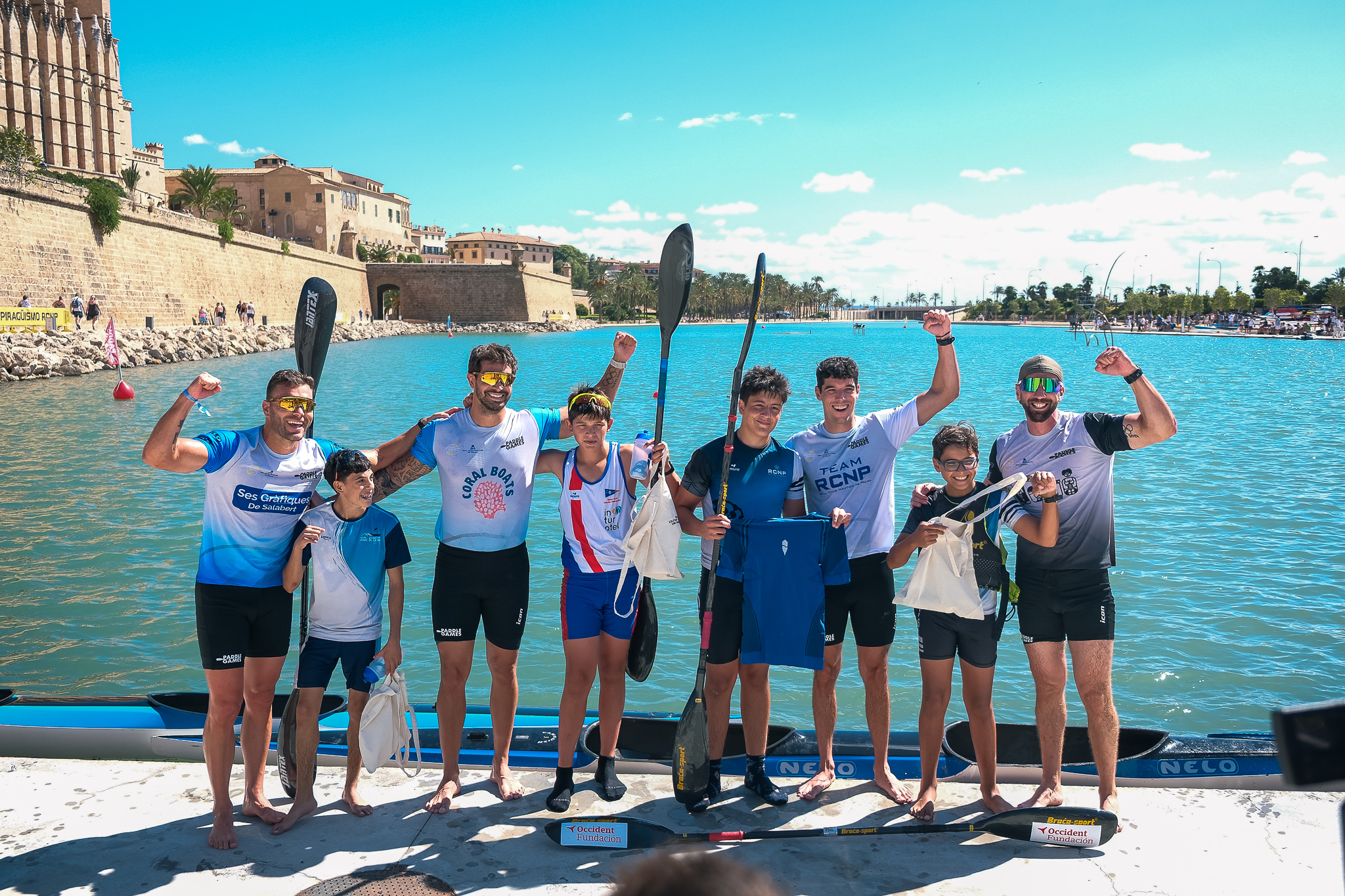
The Fantasy K2. It is probably one of the most beautiful things we do, and one of my favourites. We put children in a boat with Olympians and World Championship medallists and let them race together.
I know what that would have meant to me as a child.
Imagine getting in a boat next to somebody you have watched competing at an Olympic Games. Someone who you know from television or social media. Someone who, from a distance, can seem almost superhuman.
It can be daunting.
And that was why I loved watching what happened before the races almost more than the races themselves.
I saw some of the biggest names in our sport hugging these young paddlers. Encouraging them. Reassuring them when they looked nervous. Making them feel that, for those few minutes at least, they belonged in exactly the same boat.
The medals those athletes have won tell us how good they are at paddling.
Those few minutes told us something about who they are.
I thought it was beautiful.
Perhaps that is sport at its best.
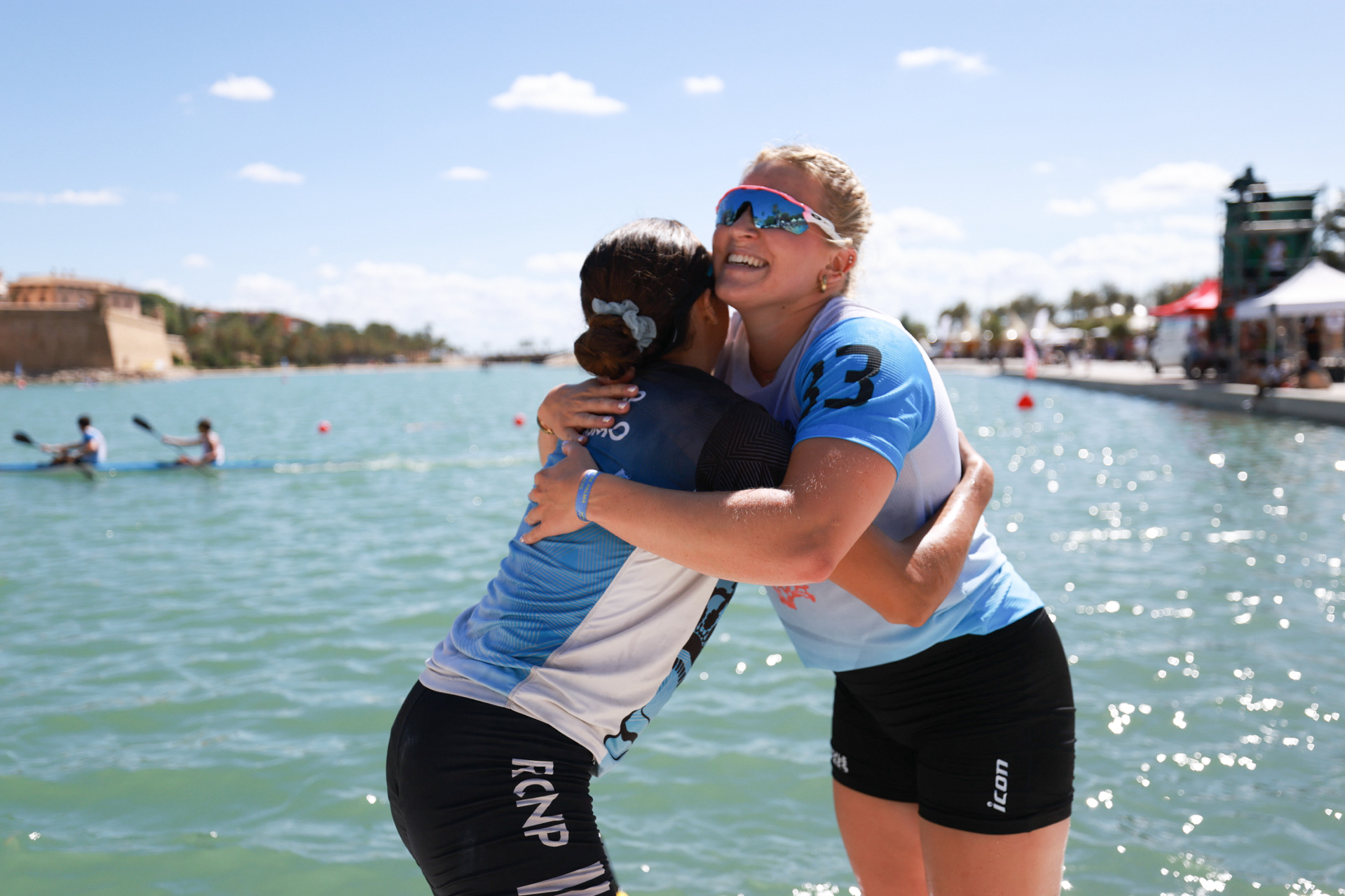
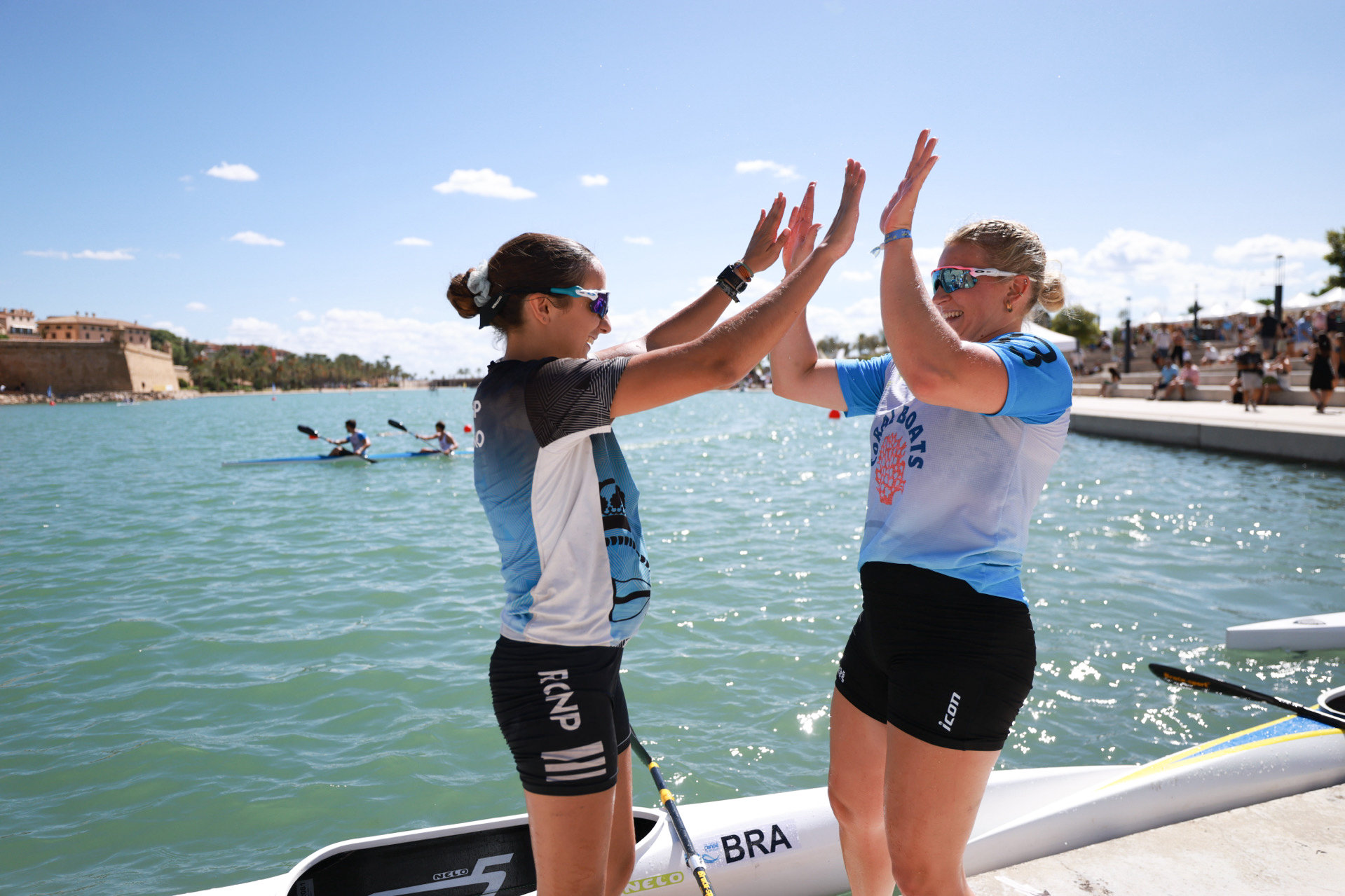
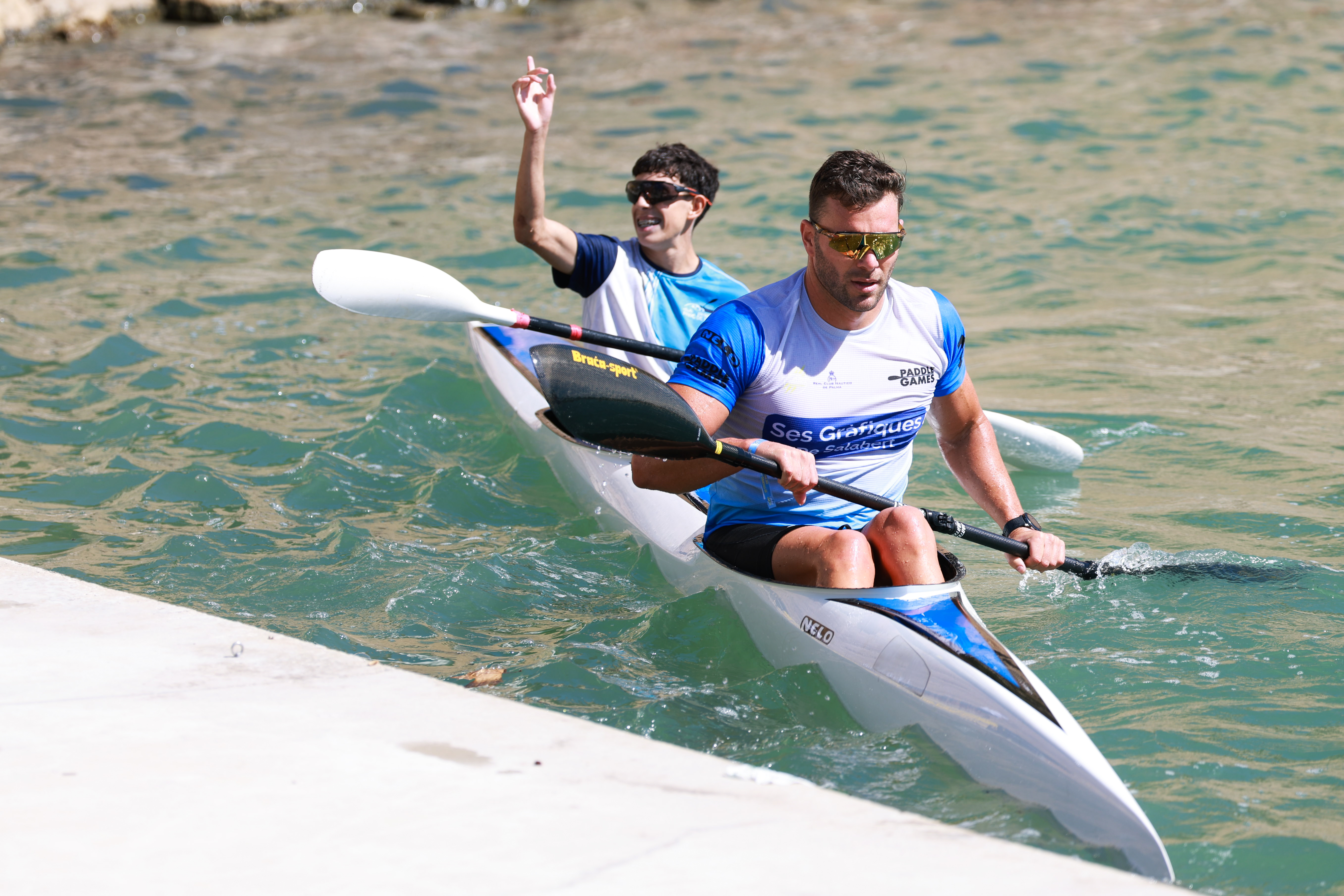
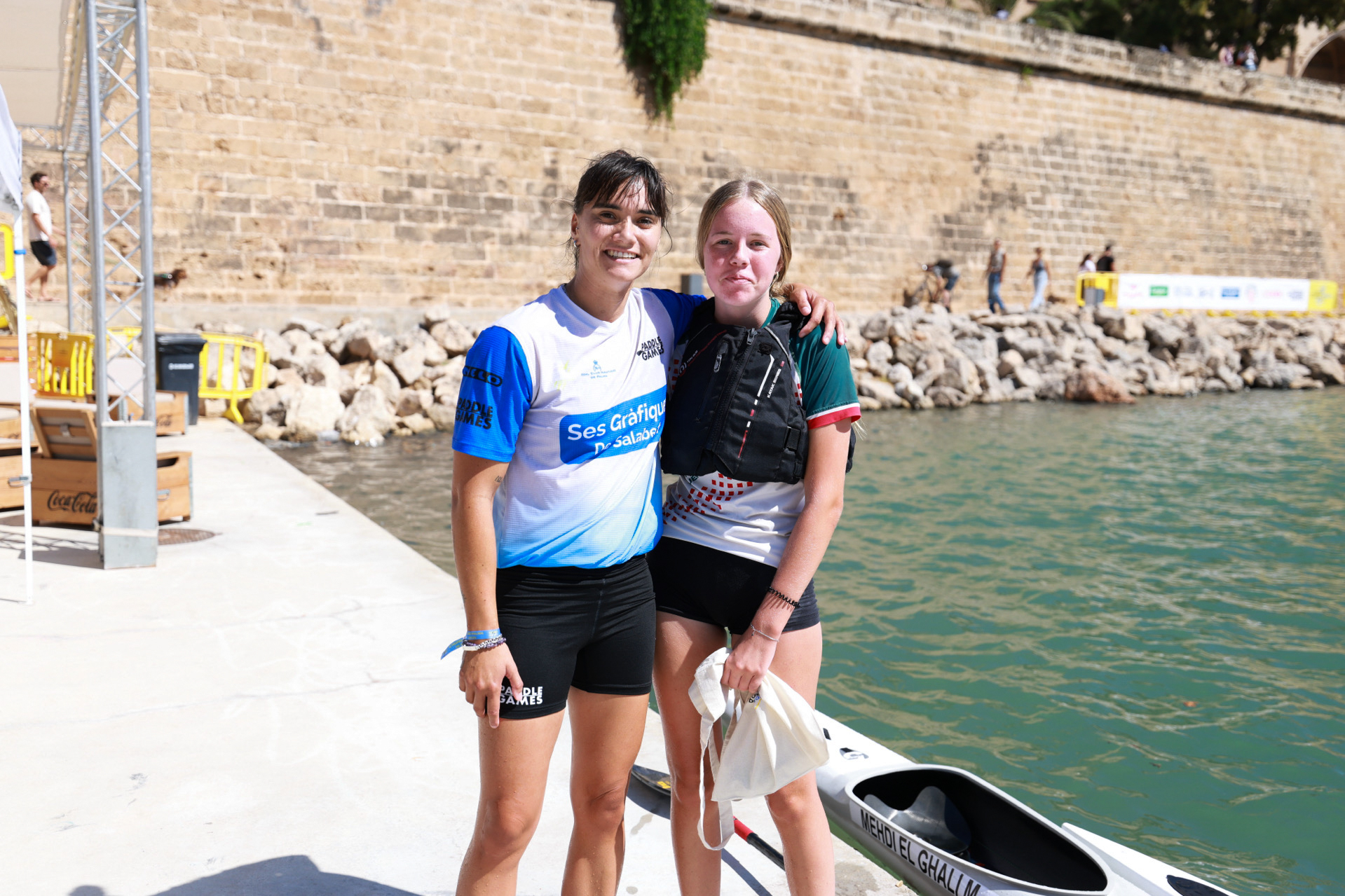
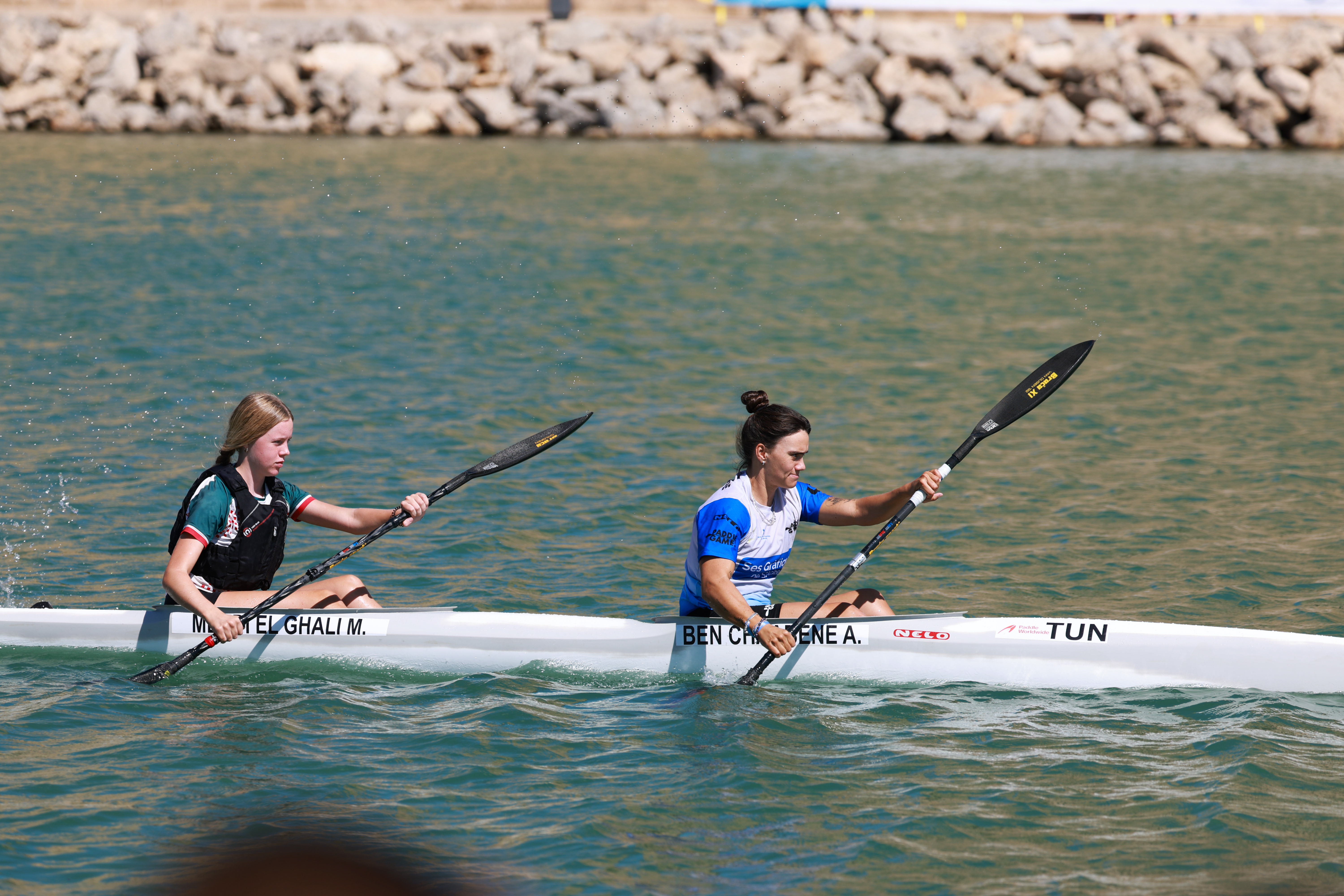
Then came the Mixed K2. Eight doubles. Men and women together. A very short race. Boats everywhere. Water flying everywhere.
A little bit of chaos.
And I loved it.
Sometimes I wonder whether we make sport more complicated than it needs to be.
Put great athletes together. Give them a simple challenge. Make it understandable.
And let them race.
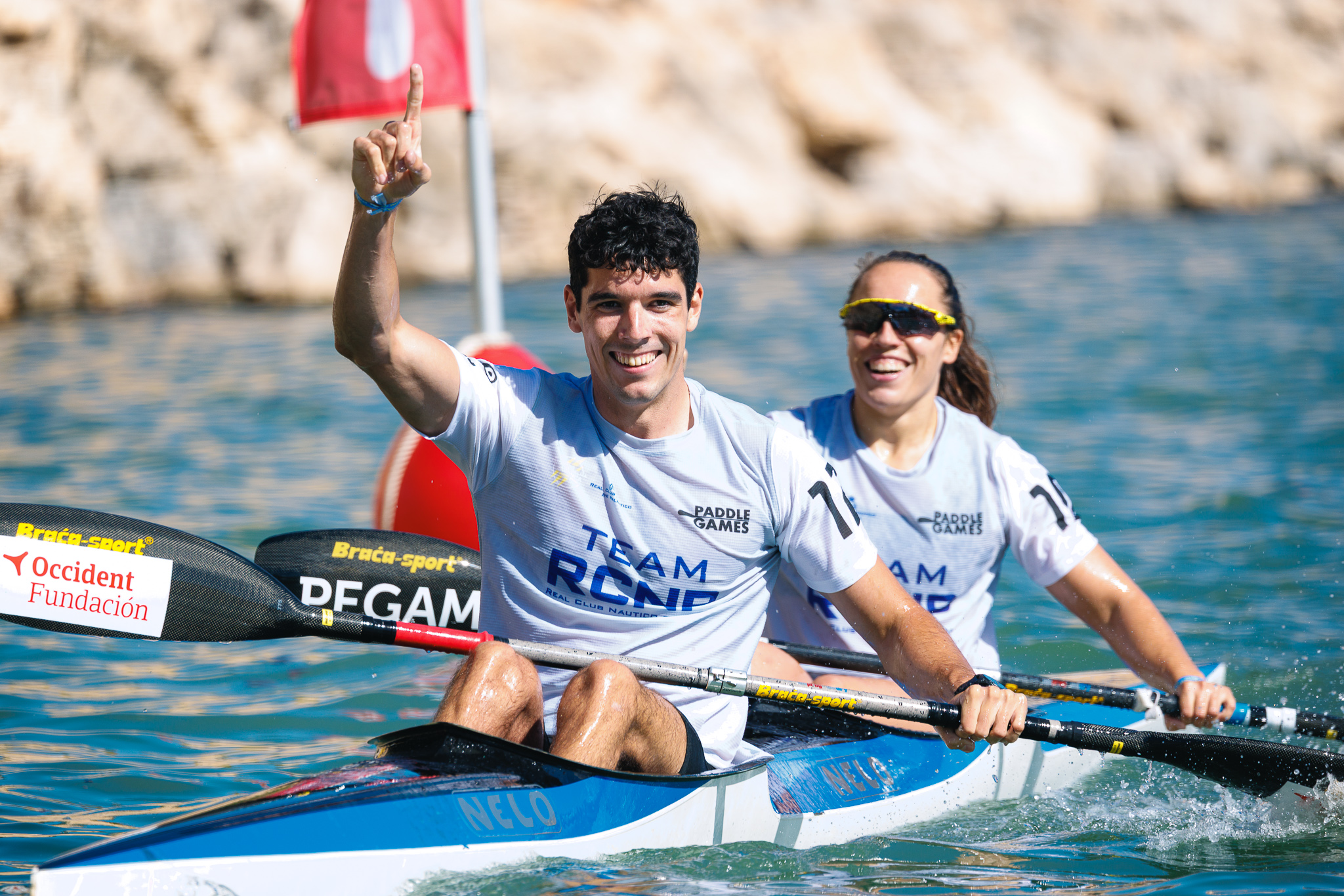
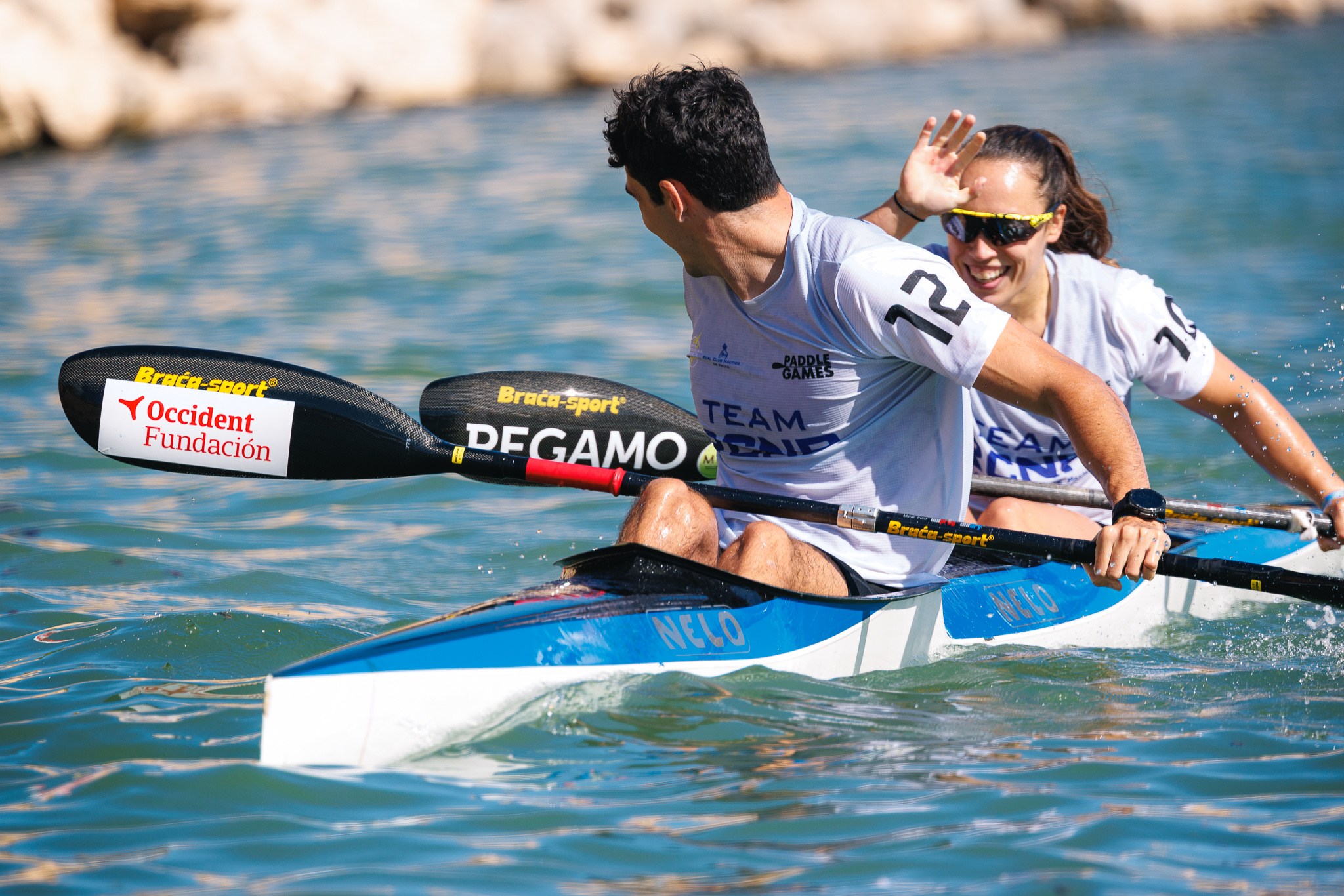
Then Antía took over
The Eliminator was an experiment.
For the first time, we were bringing canoe racing to Paddle Games, and we wanted to do it differently. Rather than sitting in a room and deciding what we thought canoe athletes might enjoy, we spoke to them.
We listened.
And together we developed the format: eight athletes start, and after each short race, the last one is eliminated. Then they go again. And again. The field becomes smaller, the pressure becomes greater, until only four remain for the final.
We thought it could work.
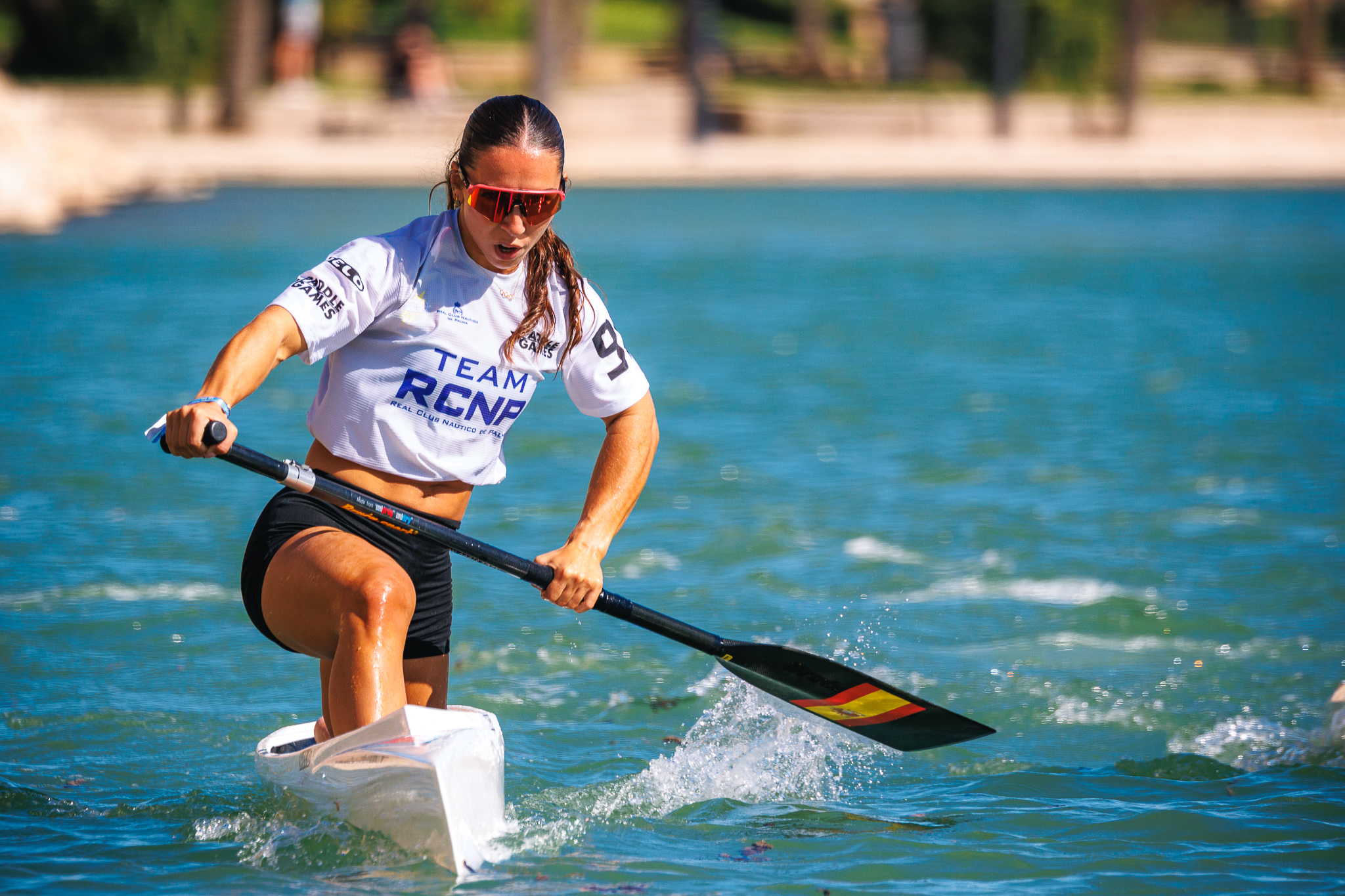
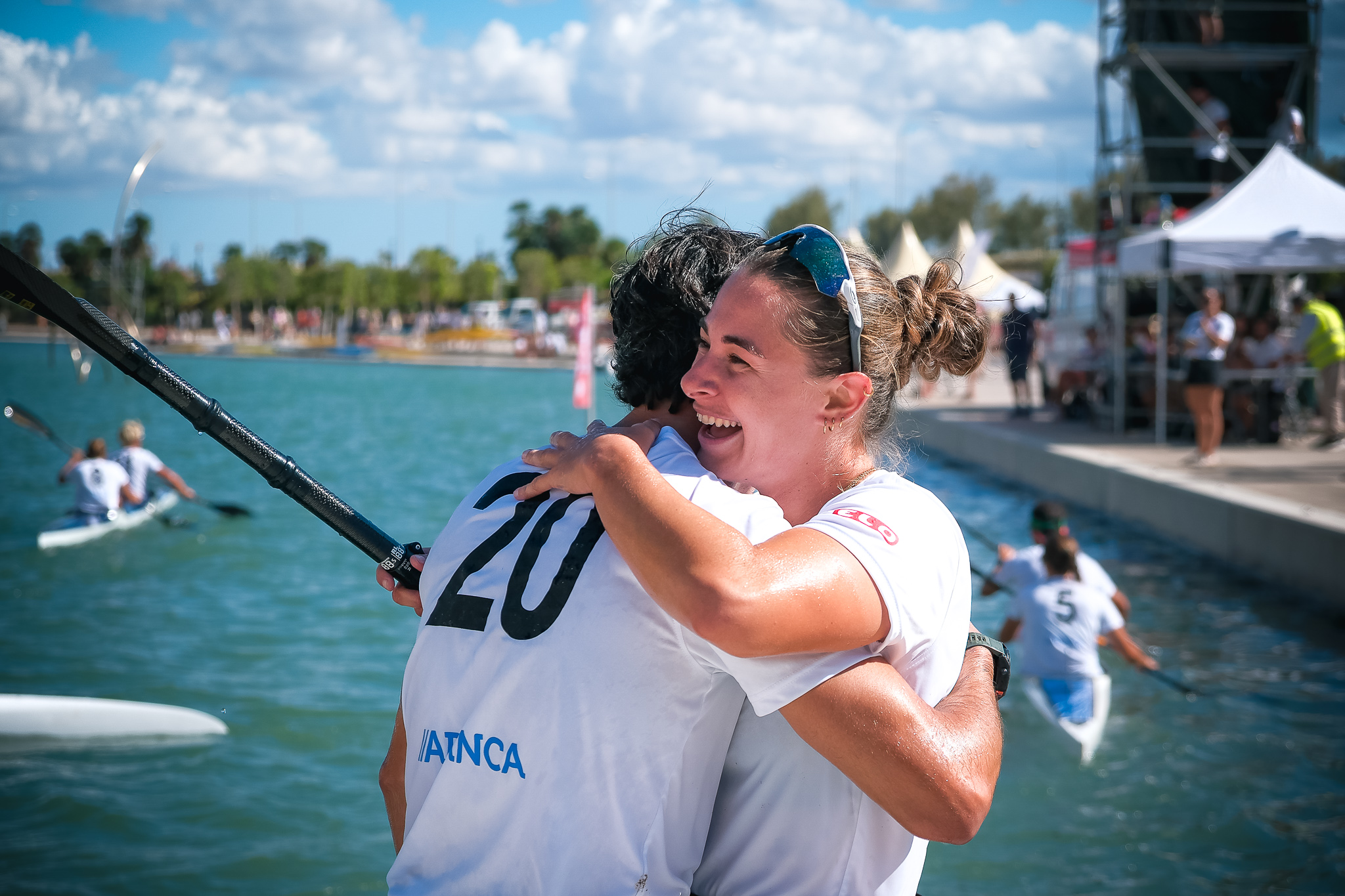
Then Antía Jácome showed us what it could become.
Power and composure don’t always coexist.
With Antía, they did.
Round after round, while the format gradually removed everyone around her, she seemed completely in control, powerful without looking rushed, determined without looking tense.
When the moment came to win, she did it with the same authority and grace with which she had approached the entire competition.
A true champion.
On the men’s side, sport did what it occasionally does: it gave us a story nobody could have written better.
Joan Antoni Moreno had missed the entire international season after an accident earlier in the year. Palma was his return to international competition, racing at home, with his friends, his family, his city around him.
Round after round, he survived.
And then he won: the first men’s Eliminator champion.
Sometimes we spend so much time trying to manufacture stories around sport that we forget the simplest thing.
Let athletes race.
The stories will come.
[Read the article on Joan Antoni’s return: The Light at the End of the Tunnel: Joan Antoni Moreno Returns to Racing]
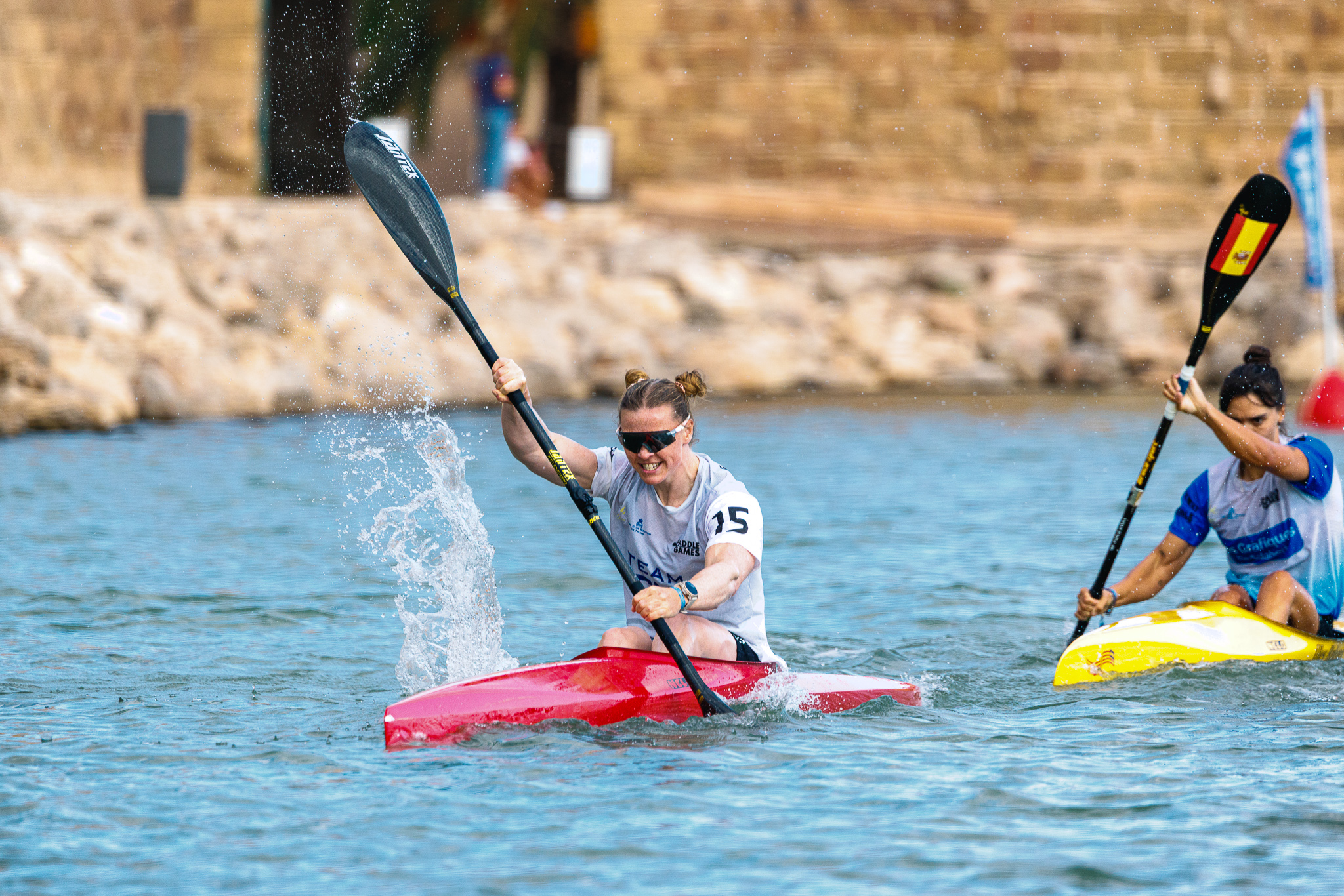
Later, Emily Lewis attacked from the start and kept committing all the way to the finish — no hesitation, no waiting to see what anyone else would do.
There was freedom in it, and power too, but what stayed with me was the intent.
She raced to win.
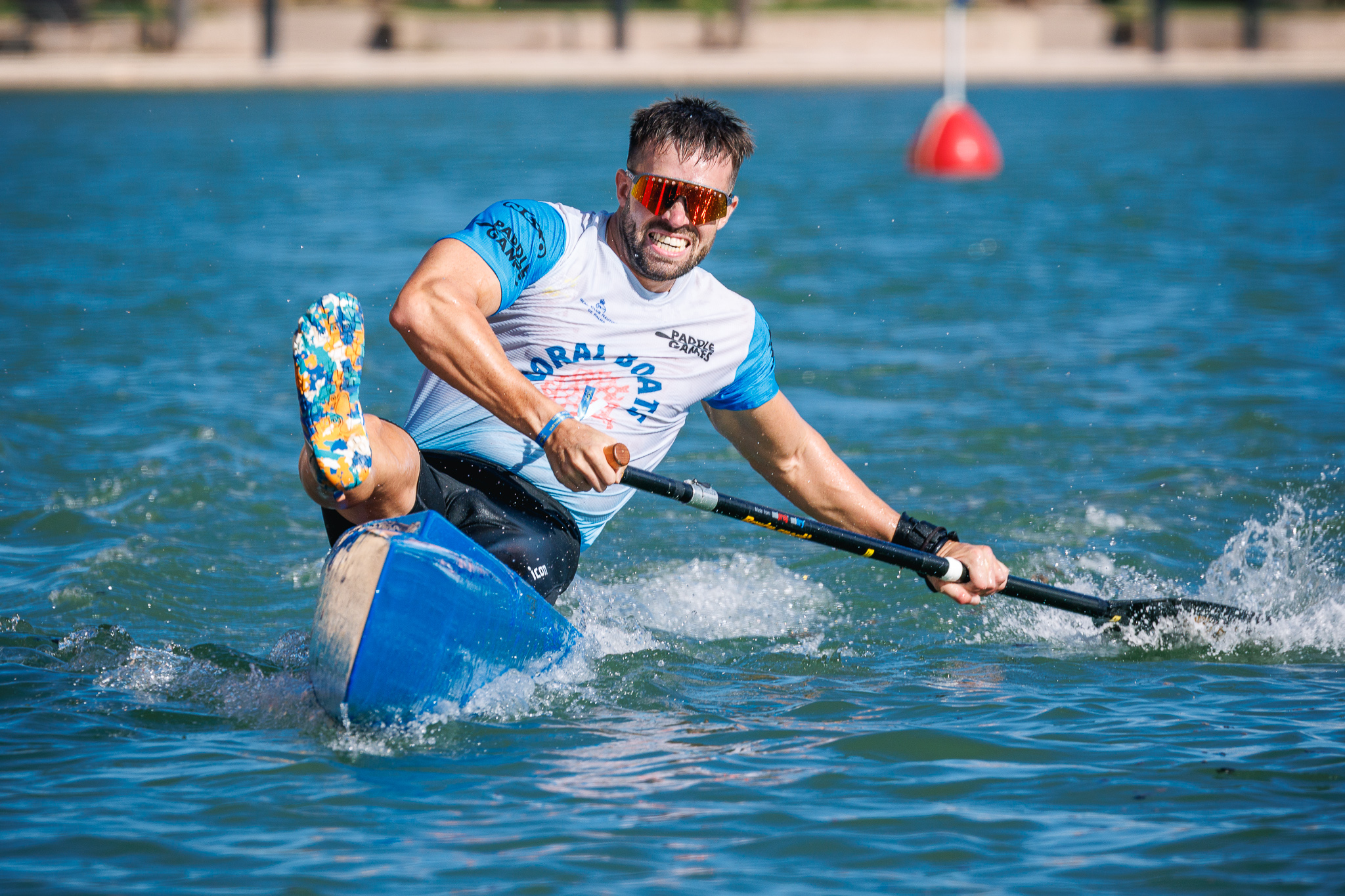
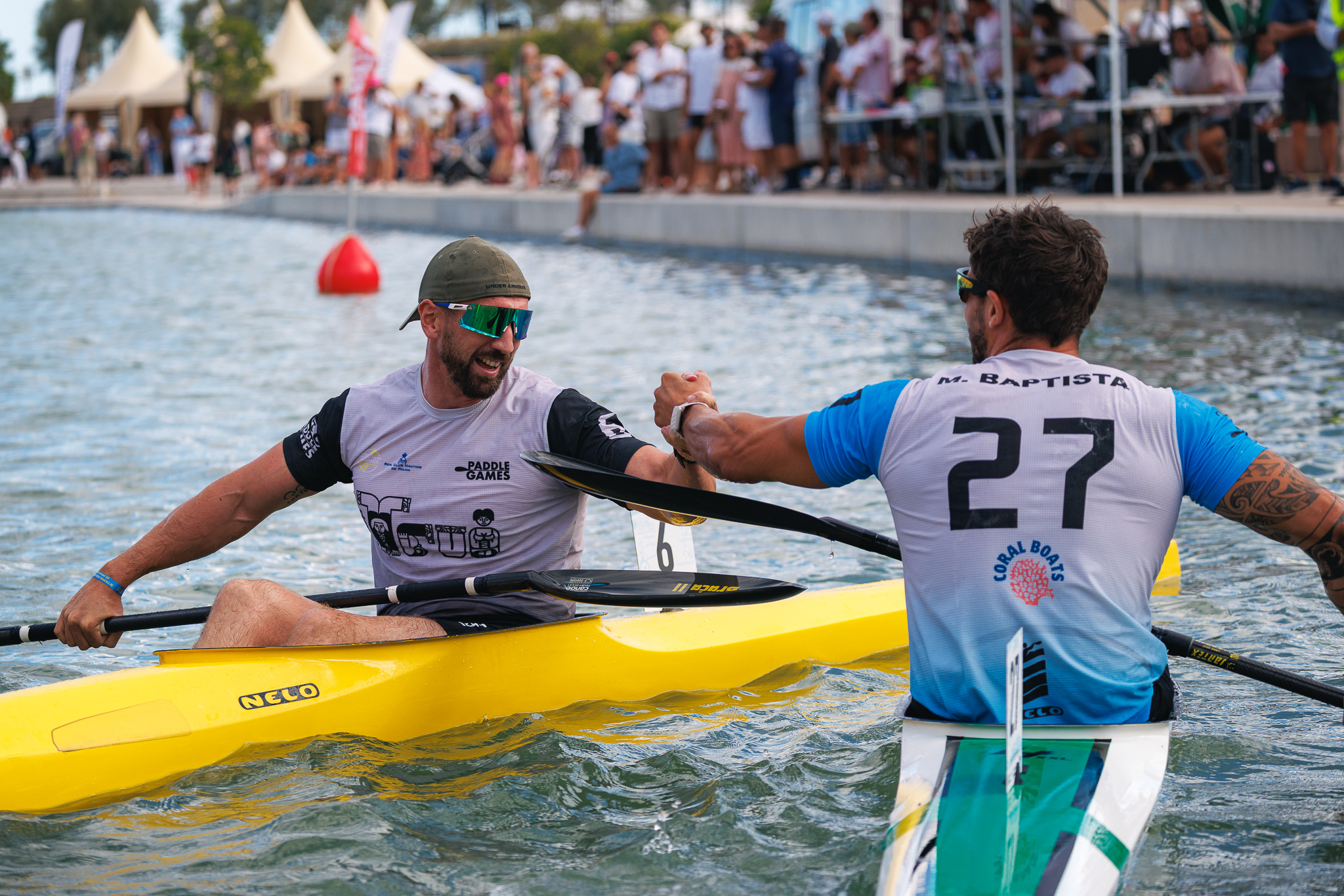
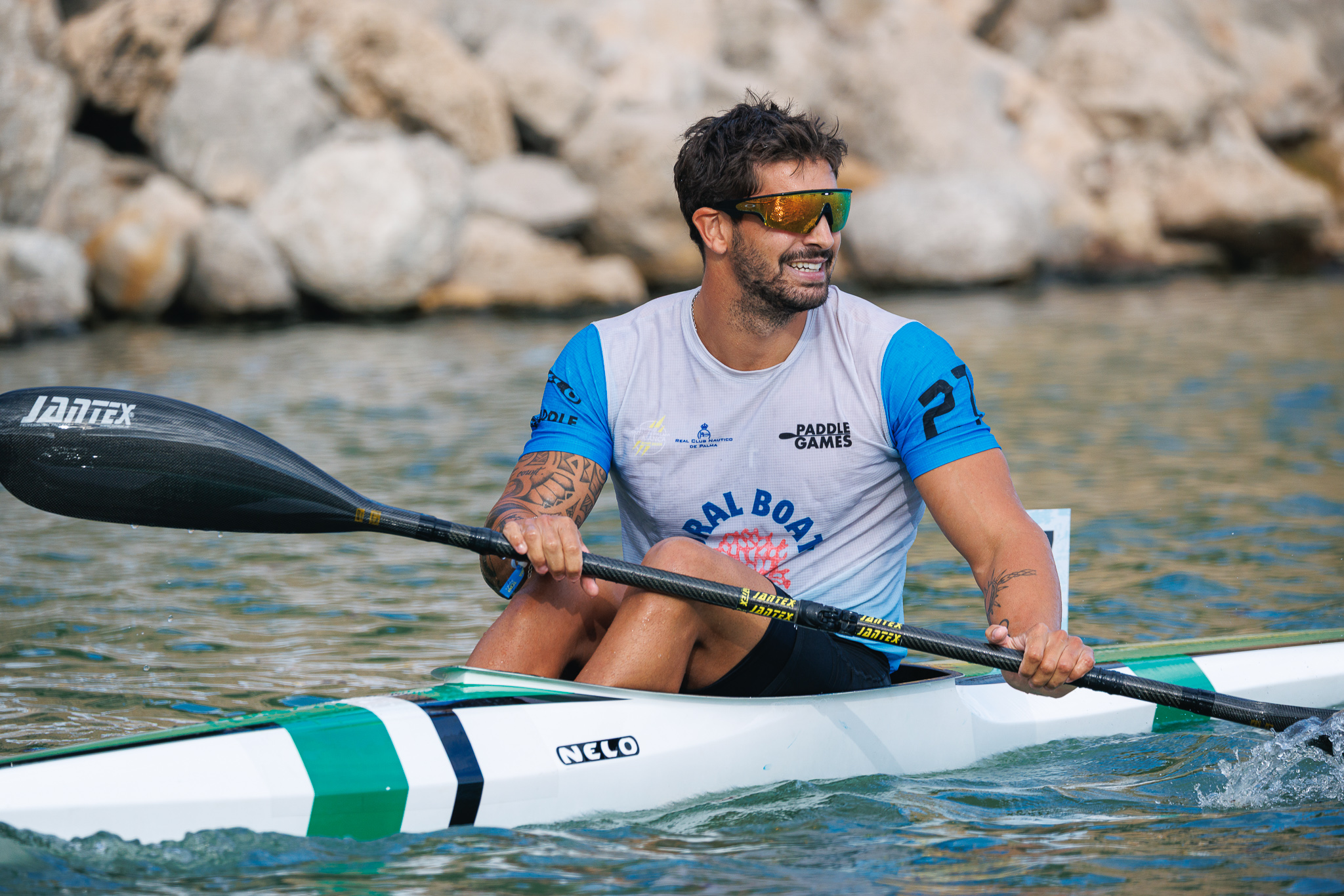
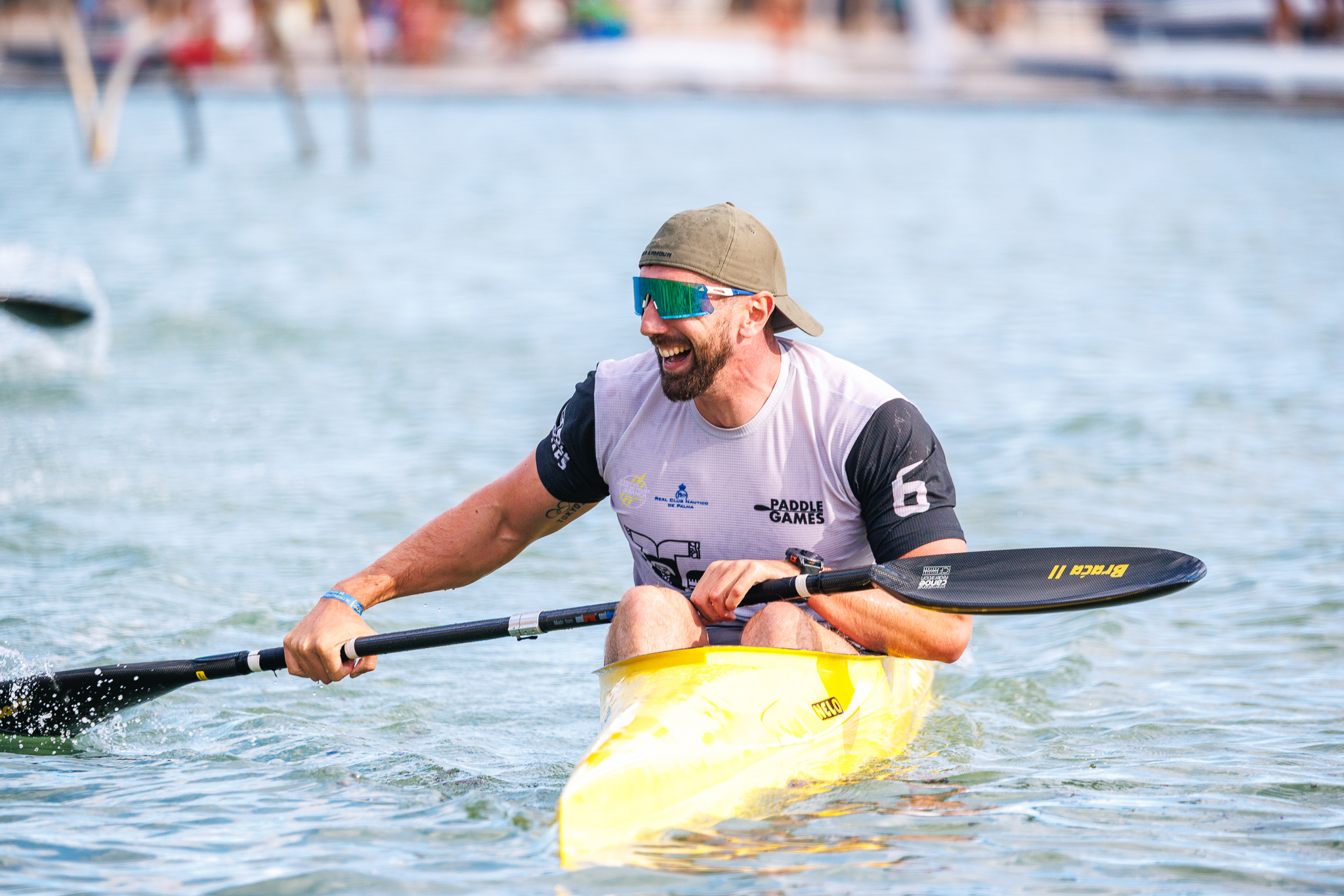
Then came the final men’s kayak race: Carlos Arévalo against Messias Baptista, the 2024 Paddle Games winner against the 2025 winner.
They attacked from opposite sides, chose different turns, came out of them charging towards the same finish line.
Closer and closer.
Neither giving an inch.
For a few seconds, everything else seemed to disappear.
Carlos crossed first, separated from Messias by centimetres.
There was nothing complicated about it. It was simply two of the best paddlers in the world racing each other as hard as they possibly could.
Pure Paddle Games.
The things we can’t plan
Perhaps the most interesting part of Paddle Games is that some of the things that are becoming most recognisable were never really planned.
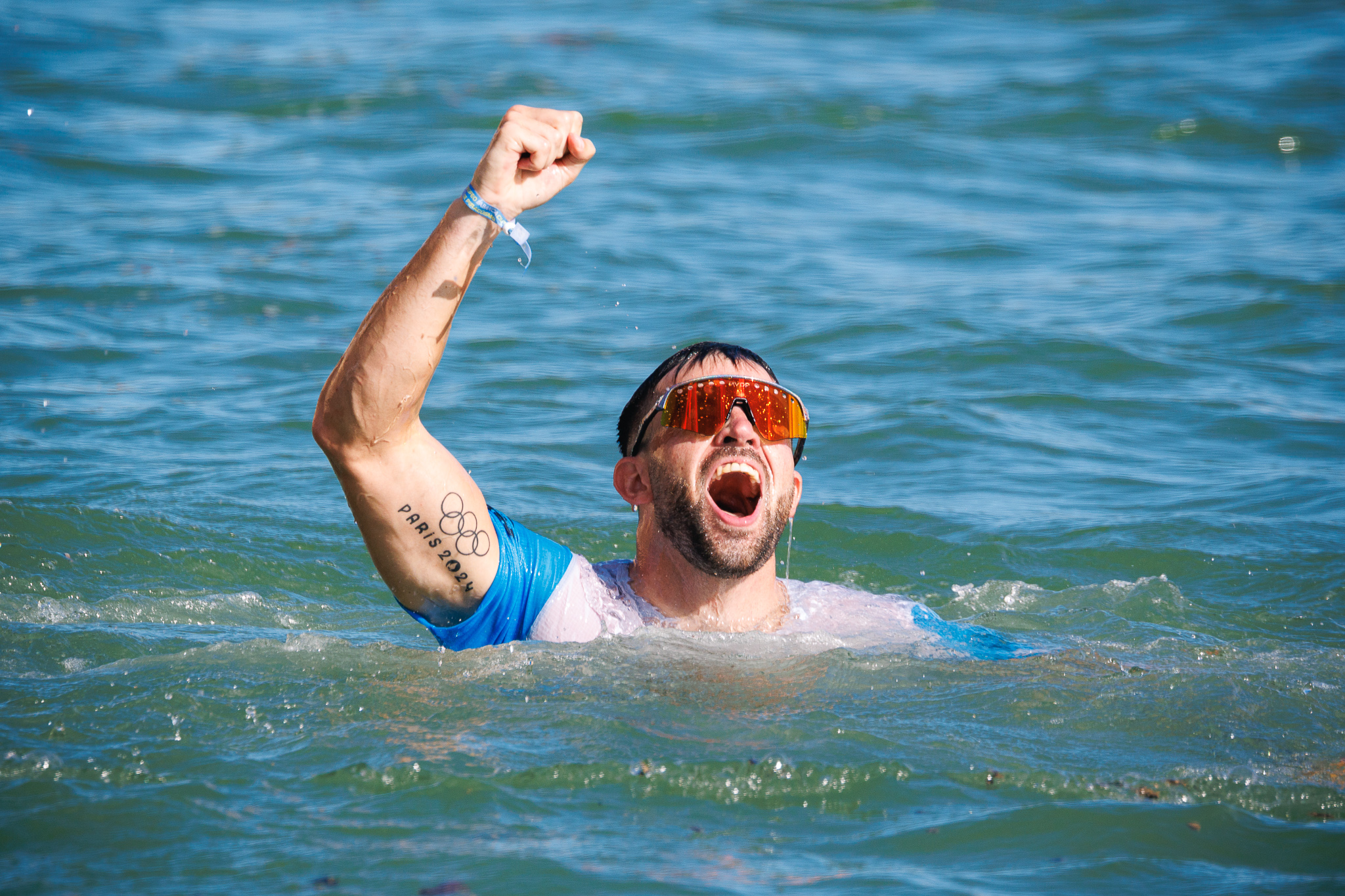
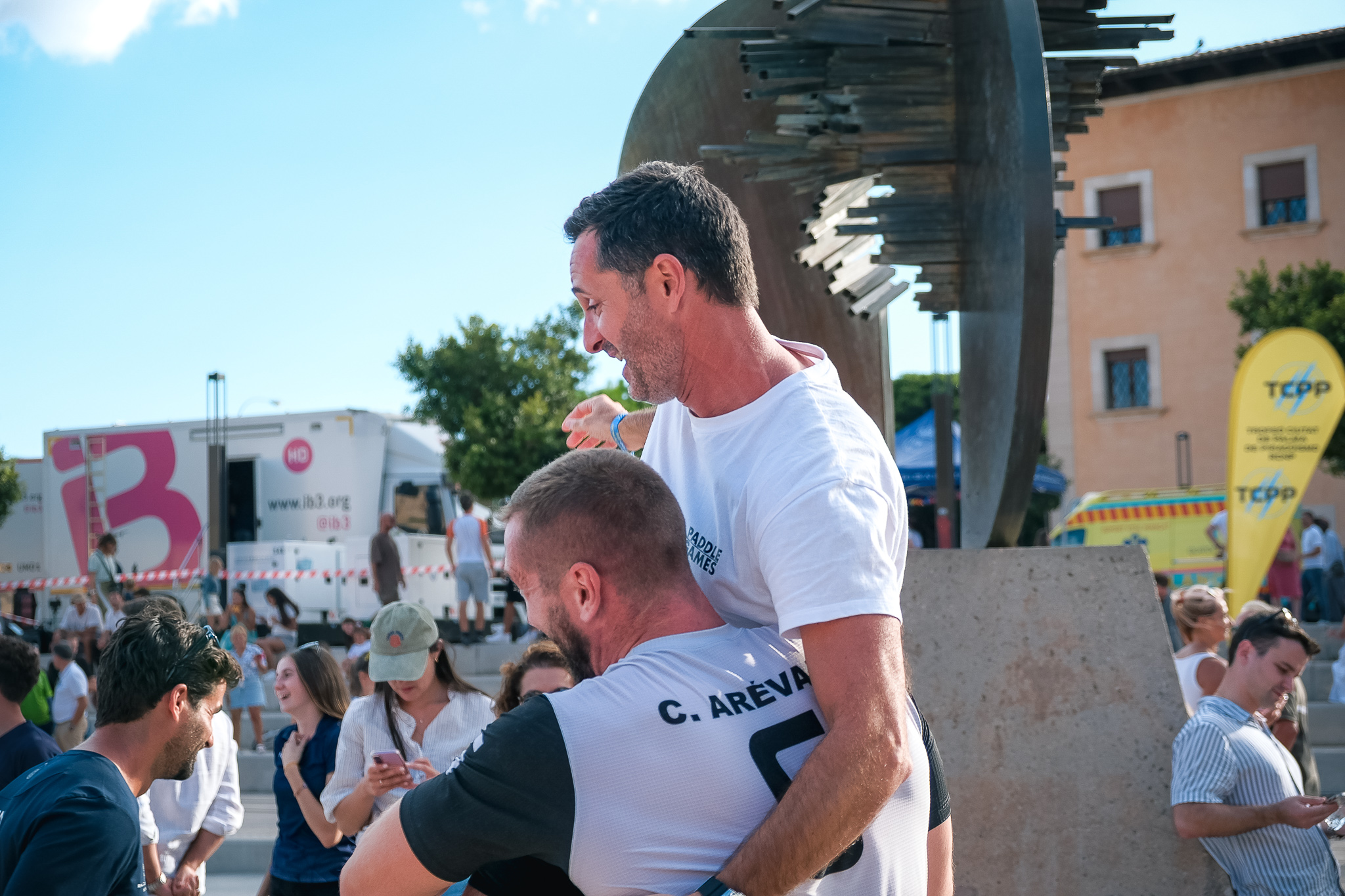
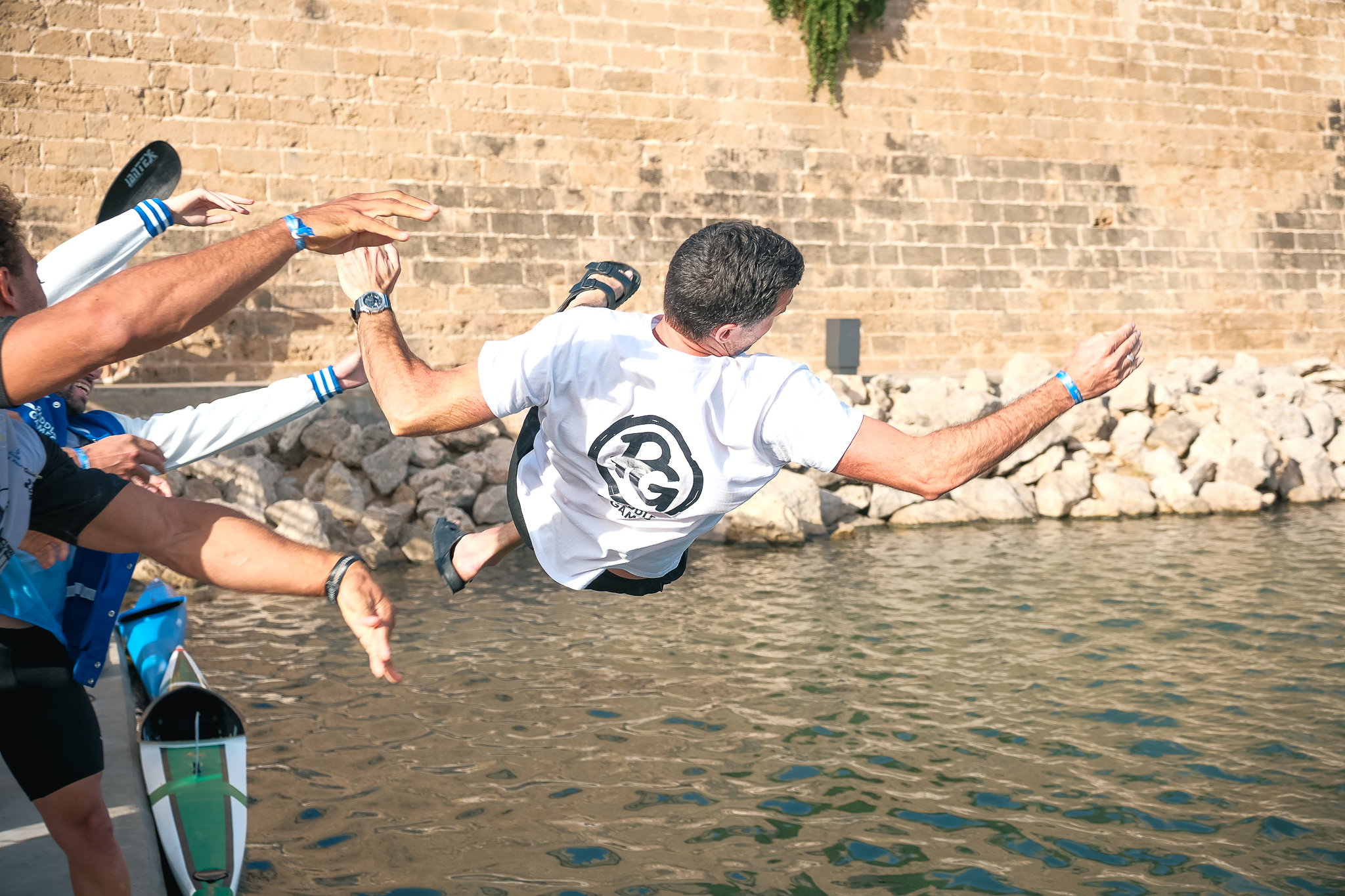
A couple of years ago, the athletes decided to throw the organisers into the water. Nobody put it in the programme. Nobody discussed it in a meeting.
They just did it.
Now, apparently, it is a tradition. And I can’t escape from it.
The White Party is becoming another. This year, the athletes helped create the soundtrack themselves, suggesting songs for a Paddle Games Spotify playlist that now exists beyond the party and beyond Palma.
Our colourful race tops have become part of the identity too. This year, together with the new black ICON shorts, they made the athletes look like what we have always believed they should look like on camera: the stars of the show.
The Eliminator now belongs to that identity. So do the Fantasy races and Mixed K2.
Our new Memosoft results platform brought another piece of it together — the brackets made the progression through the competition immediately understandable, while the same visual language appeared on the television graphics.
Modern. Simple. Recognisable.
We spend a lot of time thinking about these details, because I increasingly believe sport is built through them.
Rituals. Images. Sounds. Stories. Shared experiences.
Individually, they can seem insignificant. Together, over time, they create something much more powerful.
A sense of belonging.
A culture.
An identity.
None of this is created by one person.
One of the overwhelming feelings I had leaving Palma was how lucky I am with the people around me — our Board and commissions, our partners, the people at NELO KAYAKS, and the Real Club Náutico de Palma and their team led by Carlos Borrás and Cristina Graneri.
They are incredible.
People see a few hours of racing beneath Palma Cathedral. They don’t see the months behind them — the messages, the calls, the airport collections, the problems nobody watching the racing will ever know existed because somebody quietly solved them.
But there is another group shaping Paddle Games more and more: the athletes themselves.
They help us create race formats. They tell us what works and what doesn’t. They choose the music. They invent traditions. They give us ideas at the White Party.
And then, occasionally, they throw us into the water.
A funny way to show appreciation, I must say.
Perhaps that is exactly how it should be.
Sunday morning
At the opening ceremony on Friday, I finished with four simple ideas: a great stage, great athletes, a different format, our sport much closer to the people.
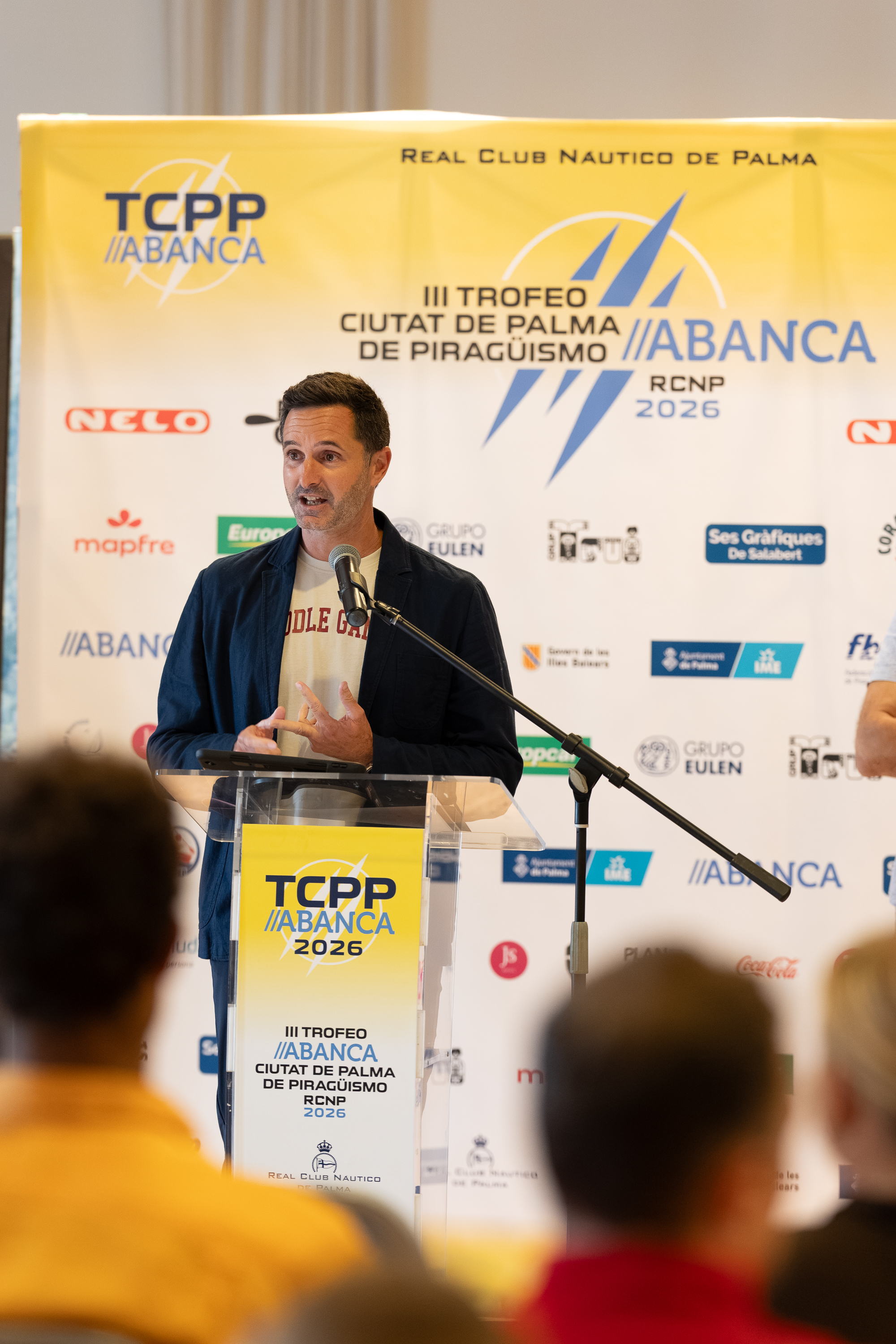
Forty-eight hours later, sitting around a breakfast table and then writing these reflections somewhere above Europe on my way home to Oxford, those words meant something slightly different to me.
Maybe bringing our sport closer to people isn’t only about putting a canoe race beneath Palma Cathedral.
Maybe it is also about bringing people closer to each other.
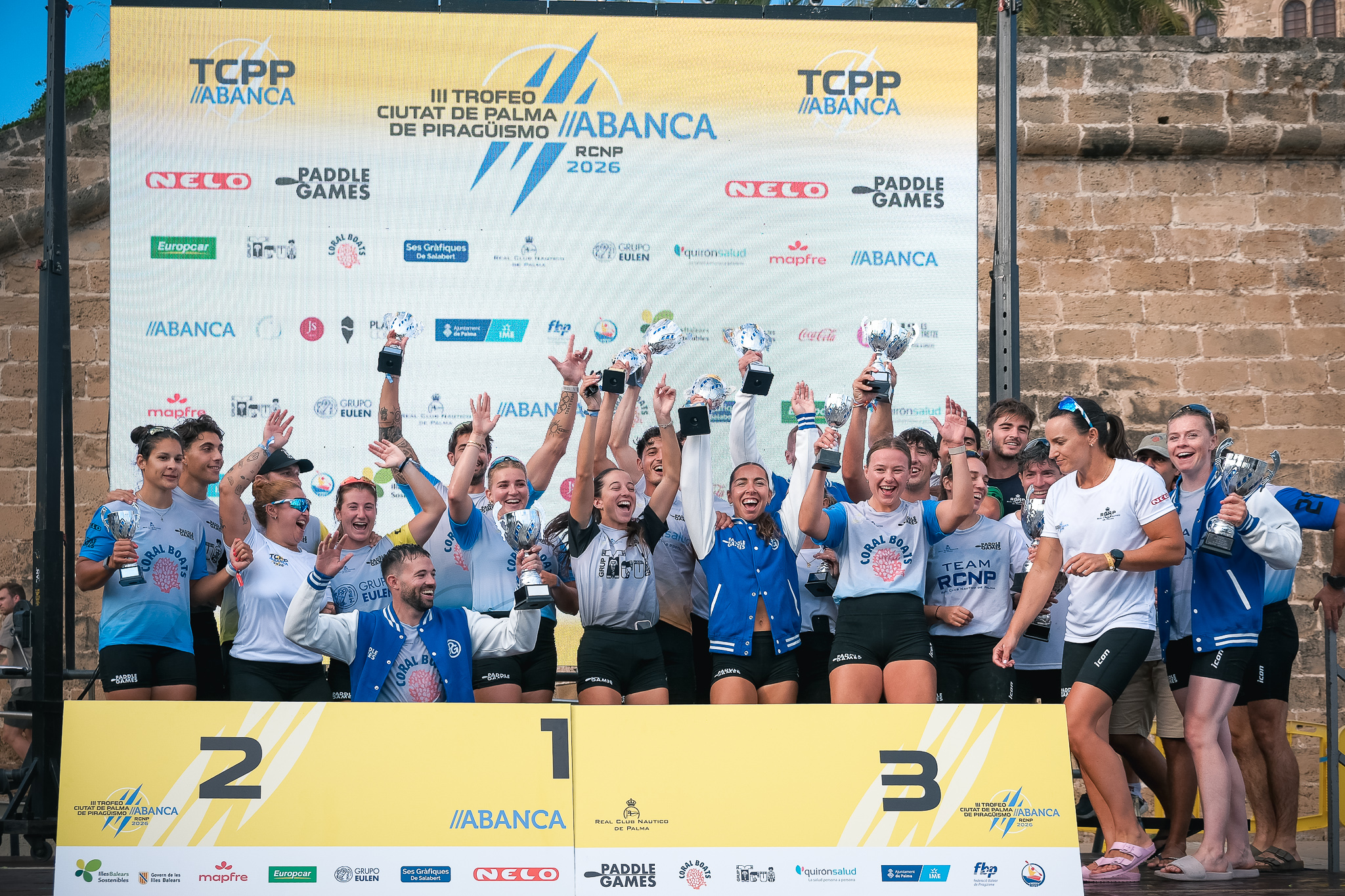
Athletes who arrive as rivals and leave as friends.
Children discovering the human side of the champions they admire.
Olympians sharing boats with youngsters.
Men and women racing together.
Athletes from different countries sharing rooms, meals, races, ideas and eventually a dance floor.
And athletes helping us decide what their own sport could become.
Three years ago, Paddle Games was largely an idea.
Now, some of the things I love most about it aren’t even our ideas anymore.
They belong to the athletes.
I think that is progress.
We won’t stop here. We want to take Paddle Games further, in Palma and beyond. We will keep experimenting. We will get some things right and probably get others wrong.
But we will keep listening.
Because somewhere between that Friday-night speech, Saturday’s racing, a slightly tired Sunday-morning breakfast and the flight home, something became even clearer to me.
The future of our sport shouldn’t simply be designed for the athletes.
We should build it with them.


Leave a Reply