
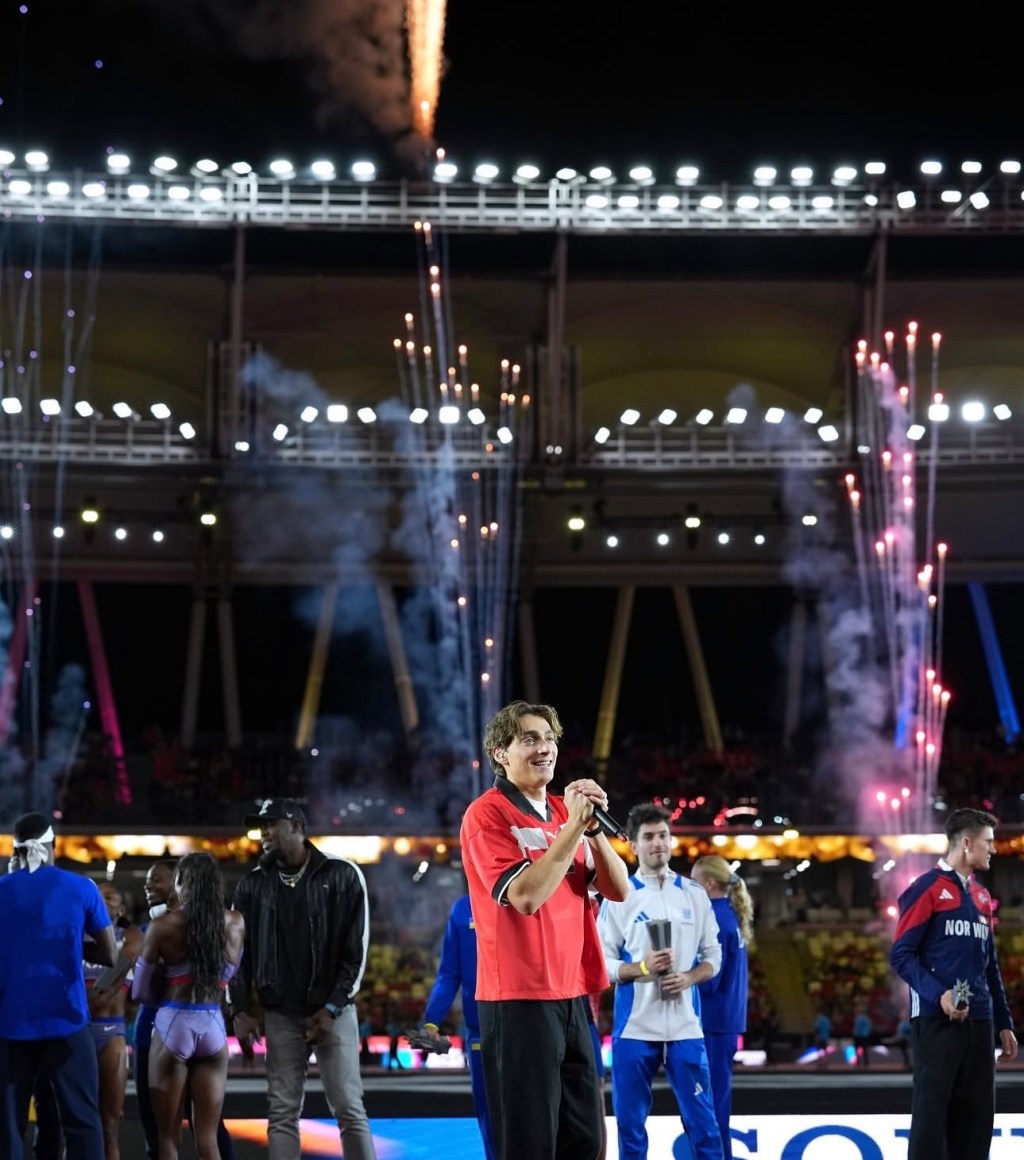
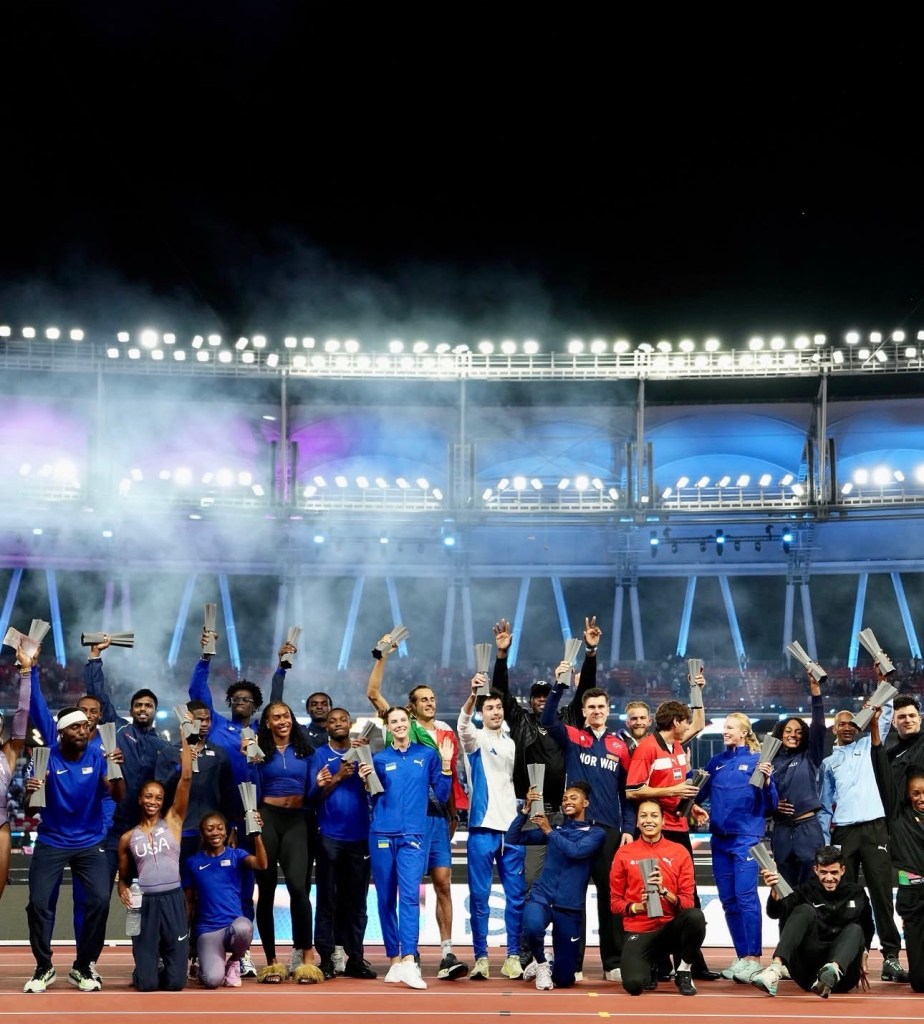
I found myself watching the first World Athletics Ultimate Championship in Budapest this weekend with particular interest. I love athletics anyway, but this was different: three consecutive evenings, around three hours of competition each night, some of the best athletes in the world and a deliberately faster, more condensed format. There was significant prize money, dramatic lighting, music, new broadcast ideas and even a black infield. It was unmistakably athletics, but it didn’t quite look or feel like the athletics we are used to.
My overall impression was very positive. Not because everything worked, but because I enjoyed the willingness to experiment. The shorter sessions created momentum, the stadium felt alive and the quality of competition was excellent. I could also understand some of the criticism, particularly around reduced attempts in field events and some of the presentation choices. But perhaps an experiment in which everybody agrees about everything isn’t much of an experiment.
What I particularly liked was that this wasn’t about replacing traditional athletics. The World Championships and Olympic Games don’t need replacing. Their history, scale and complexity are part of what makes them special. But that doesn’t mean every athletics event needs to follow exactly the same model. Cricket can have Test matches and Twenty20. Cycling can have Grand Tours and city-centre criteriums. Different formats can serve different purposes.
There is a wider question here for sport. We hear a lot about declining attention spans and younger audiences, but I’m not completely convinced. Young people will spend extraordinary amounts of time following things they genuinely care about. Perhaps the problem isn’t attention span. Perhaps the challenge is attention, and sport increasingly has to earn it.
That doesn’t mean making everything shorter or louder. It means being curious about how people experience sport today while protecting the traditions that still matter.
Perhaps that’s why Budapest resonated with me. On a much smaller scale, it is something we’ve been exploring with Paddle Games. I love traditional canoe sprint and have no interest in replacing it, but I’ve also wondered what another version could look like: shorter races in city centres, bringing competition to where people already are, and experimenting with teams, knockout racing, mixed events, music and technology.
Some ideas work. Others don’t. We learn and try again.
That is probably what I took most from Budapest. The Ultimate Championship doesn’t need to have found the perfect format to be worthwhile. Keep what worked. Change what didn’t. And keep experimenting.
Perhaps the biggest risk for established sports isn’t changing too much, but becoming so protective of what we already have that we stop imagining what else might be possible.


Leave a Reply