
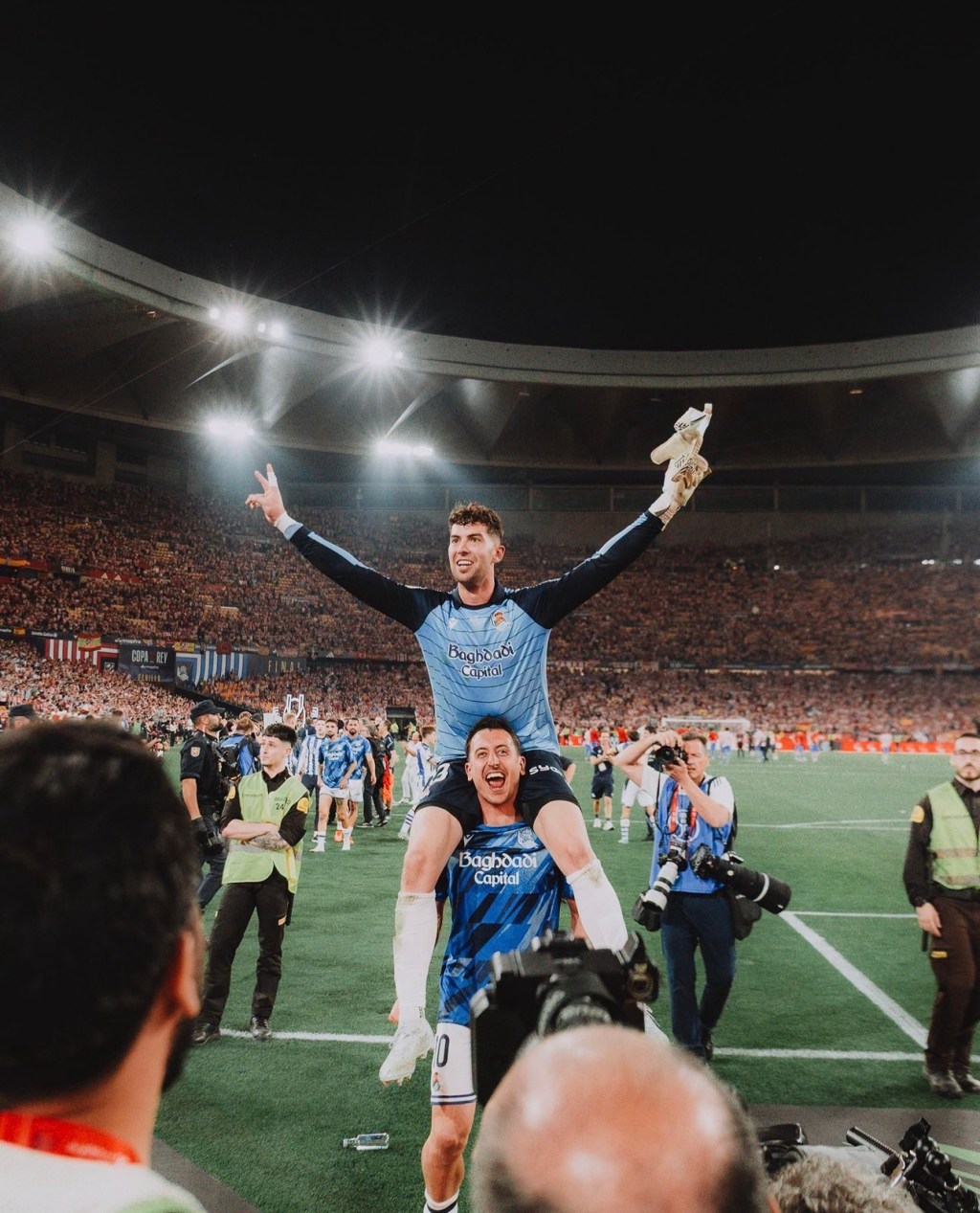
Real Sociedad has never just been a football club to me. It has been a thread running through my life, stitching together family, friendship, and identity.
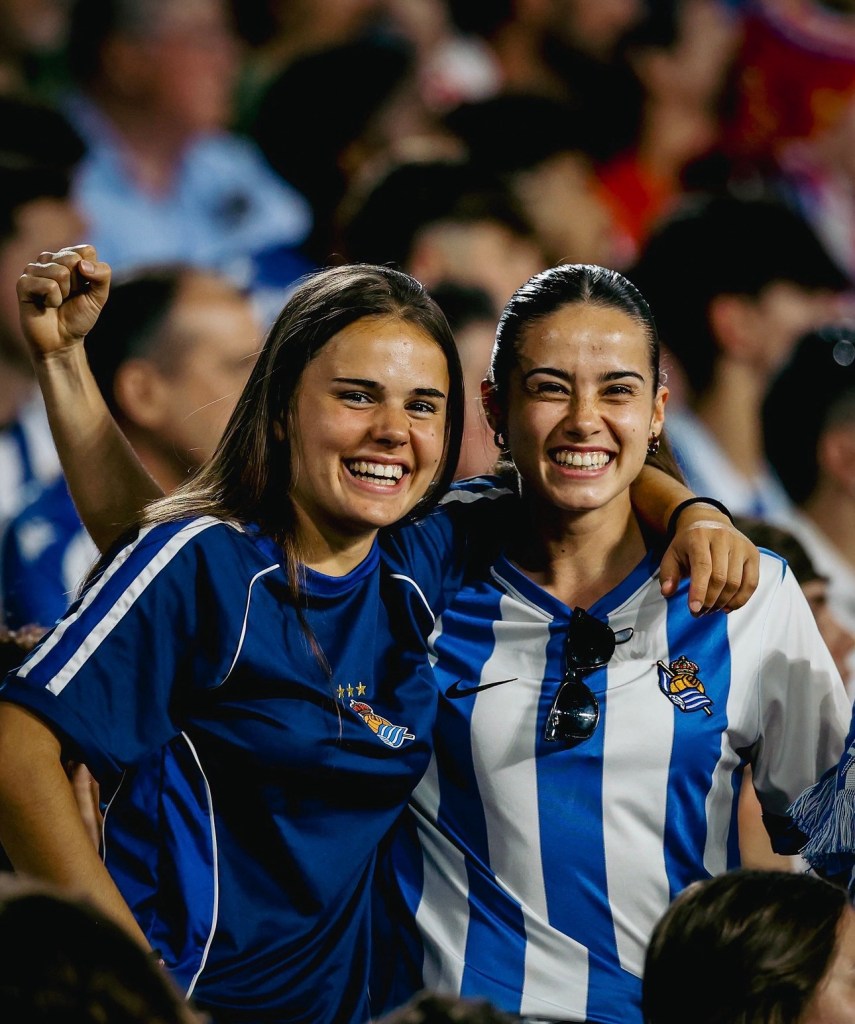
One of the Christmas presents I remember most vividly as a child was a season ticket. Not just any gift, but a passport to shared moments with my father at Atotxa, the old stadium. There was something raw and intimate about that place — the closeness to the pitch, the noise, the feeling that you were part of something alive. Going there with my dad wasn’t just about football; it was about belonging. Later, when I grew older, I would go with a neighbour, someone a few years ahead of me, and then eventually with my friends and teammates when the club moved to Anoeta. Each stage of life had its own matchday companions, but the feeling remained the same.
In our family, that connection ran even deeper. My grandmother’s sister was a diehard supporter. She had been a season ticket holder since childhood, going with her own father, my great-grandfather, and remained a member for her entire life. At one point, she was the longest-serving female member of the club. That kind of loyalty says everything about what Real Sociedad means to people like us — it is not just followed, it is inherited.
And then there are the stories that shape you without you even realising it.
The story of Aitor Zabaleta was one of those. He was the brother of a girl from my school. For me and my friends, it wasn’t something distant in the news. Aitor was a Real Sociedad supporter who travelled to follow his team and never came back, murdered in 1998 in Madrid in one of the darkest episodes in Spanish football.
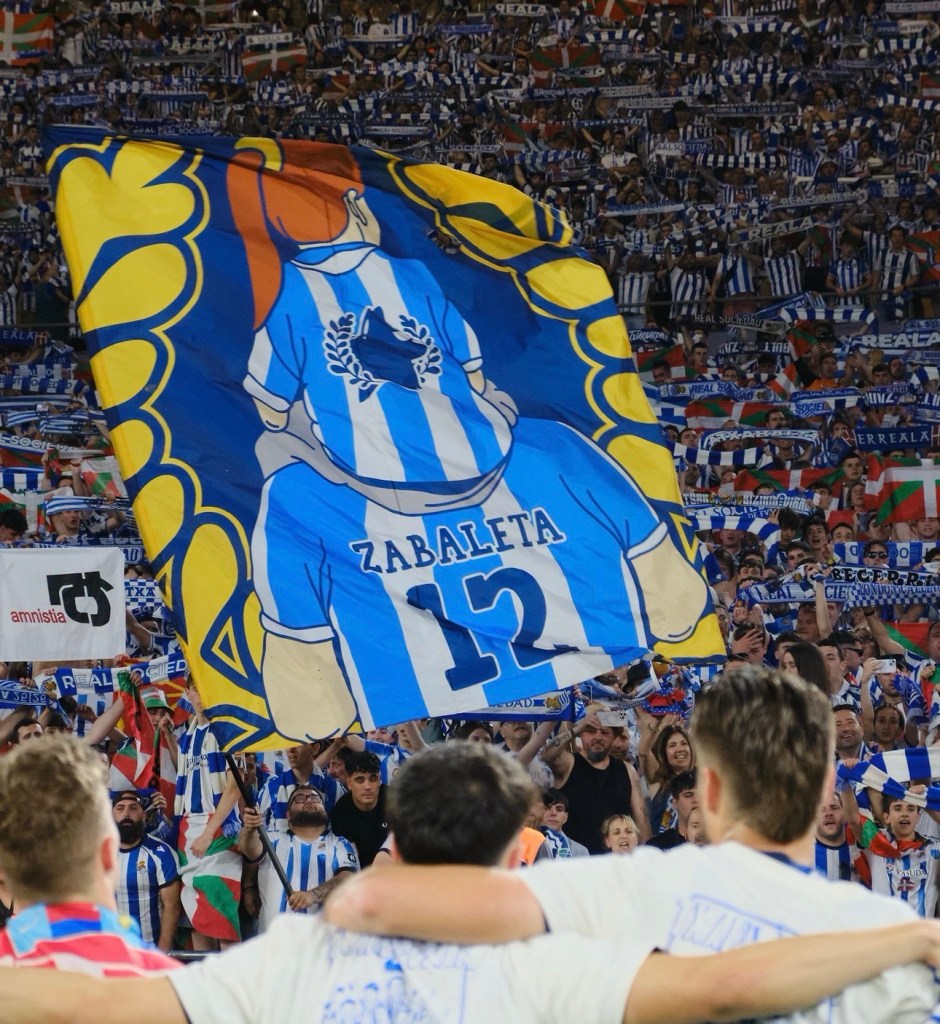
Even now, decades later, his memory remains present. Last night, in the Cup final, the club and its supporters honoured him again — his name, his story carried into the celebration. Some things a trophy cannot do. Remembering the dead is one of them, and the fact that Real Sociedad still does it, in a moment of joy, tells you something essential about the culture of this club.
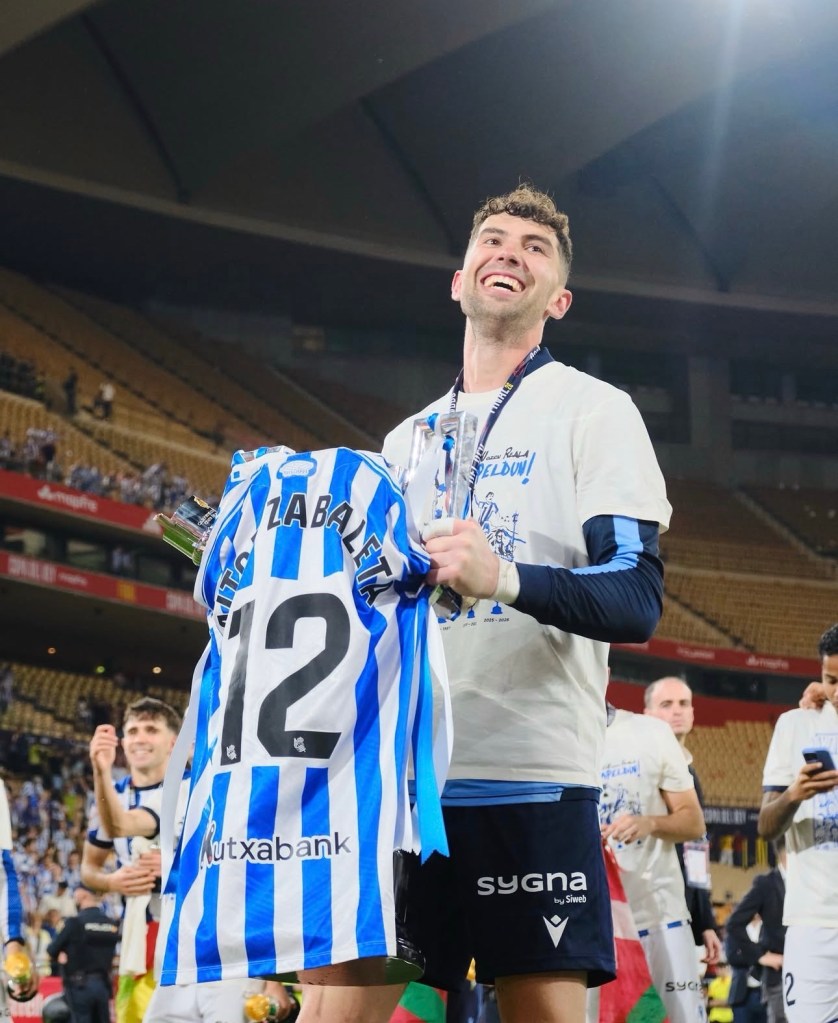
That is why this Copa del Rey victory feels different.
Because what we have seen this season under Pellegrino Matarazzo is not just a tactical shift or a temporary uplift. It feels like a reconnection — with identity, with values, and with the quiet strength that has always defined the club at its best.
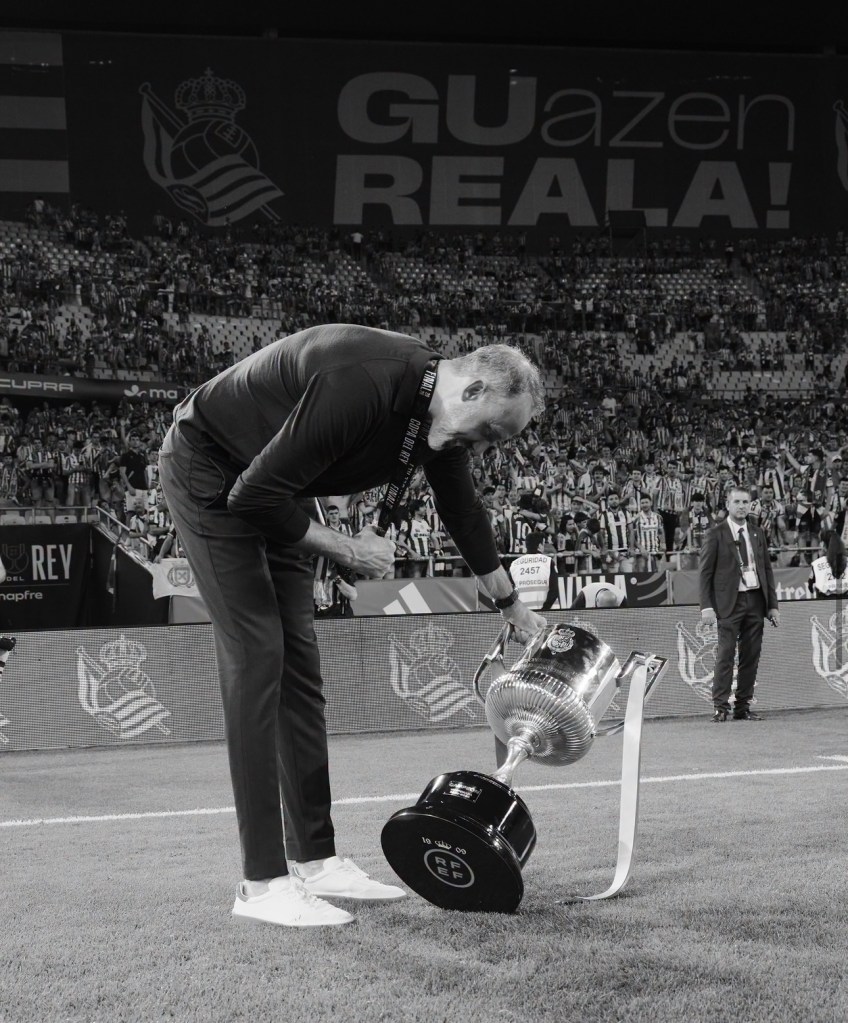
When Matarazzo arrived, the situation was fragile. The team was hovering dangerously low in the table. But instead of noise or drastic change, he introduced something far more powerful: calm. His idea of poliki, poliki — step by step in Basque — lowered the emotional temperature of the team. Anxiety gave way to clarity.
And from that clarity came intensity.
Not chaotic intensity, but purposeful and immediate. It was visible in the final itself — a goal inside the opening seconds, a team that imposed itself before the occasion had time to grow heavy. There was no easing in, no waiting to see how the game would unfold. From the first moment, Real Sociedad played as though the game was already theirs to lose.
But what stood out even more was how that intensity coexisted with calm.
The players looked free. Not reckless, but unburdened. Against a stronger, wealthier opponent, they didn’t shrink. They played. And when they conceded — twice — they didn’t collapse. They responded. Led, equalised against, led again, equalised against again, and still found a way to win on penalties. That kind of resilience isn’t luck. It is built, slowly, in training and in trust.
At the same time, this was not a break from Real Sociedad’s identity — it was a return to it.
Trust in young players. Collective effort over individual stardom. A deep connection with the stands. The emergence of players like Marrero and Marín in decisive moments is not just a sporting success — it is cultural proof that the pathway still works.
These are not players bought from elsewhere to solve a crisis. They are the product of the club’s own belief in itself.

And then there is belief of a different kind — the kind that lives in the psychology of the contest.
For years, games against clubs like Atlético Madrid carried an invisible weight. Not just financial disparity, but psychological hierarchy — the quiet acceptance that some clubs simply occupy a higher rung. In this final, that disappeared. Real Sociedad matched intensity, embraced the moment, and competed as equals from first whistle to last. That is often the final step in any transformation: closing the mental gap.
What makes this victory special is not just the trophy, but the way it connects everything.
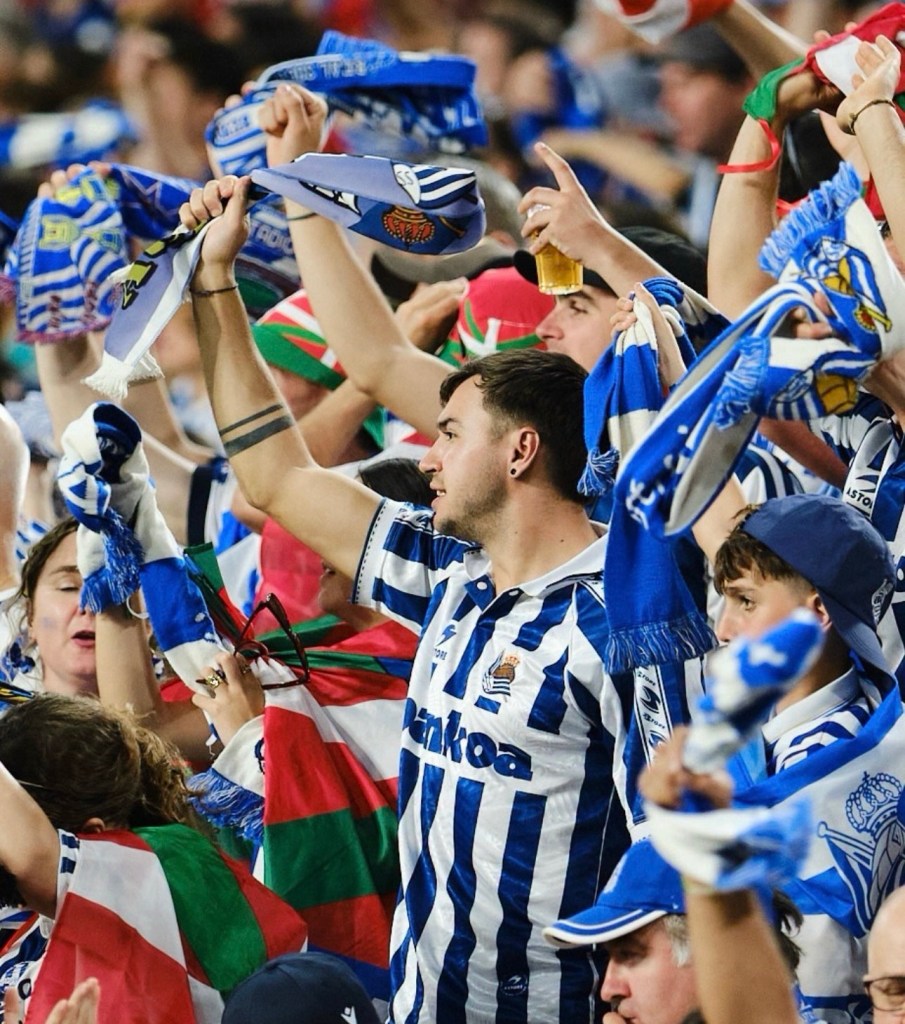
From Atotxa to Anoeta. From fathers to sons. From lifelong members to new generations. From a name still honoured on a day of celebration to the young players now writing their own chapter.
Poliki, poliki.
And suddenly, everything makes sense.
–
Photo credit: Real Sociedad


Leave a Reply