
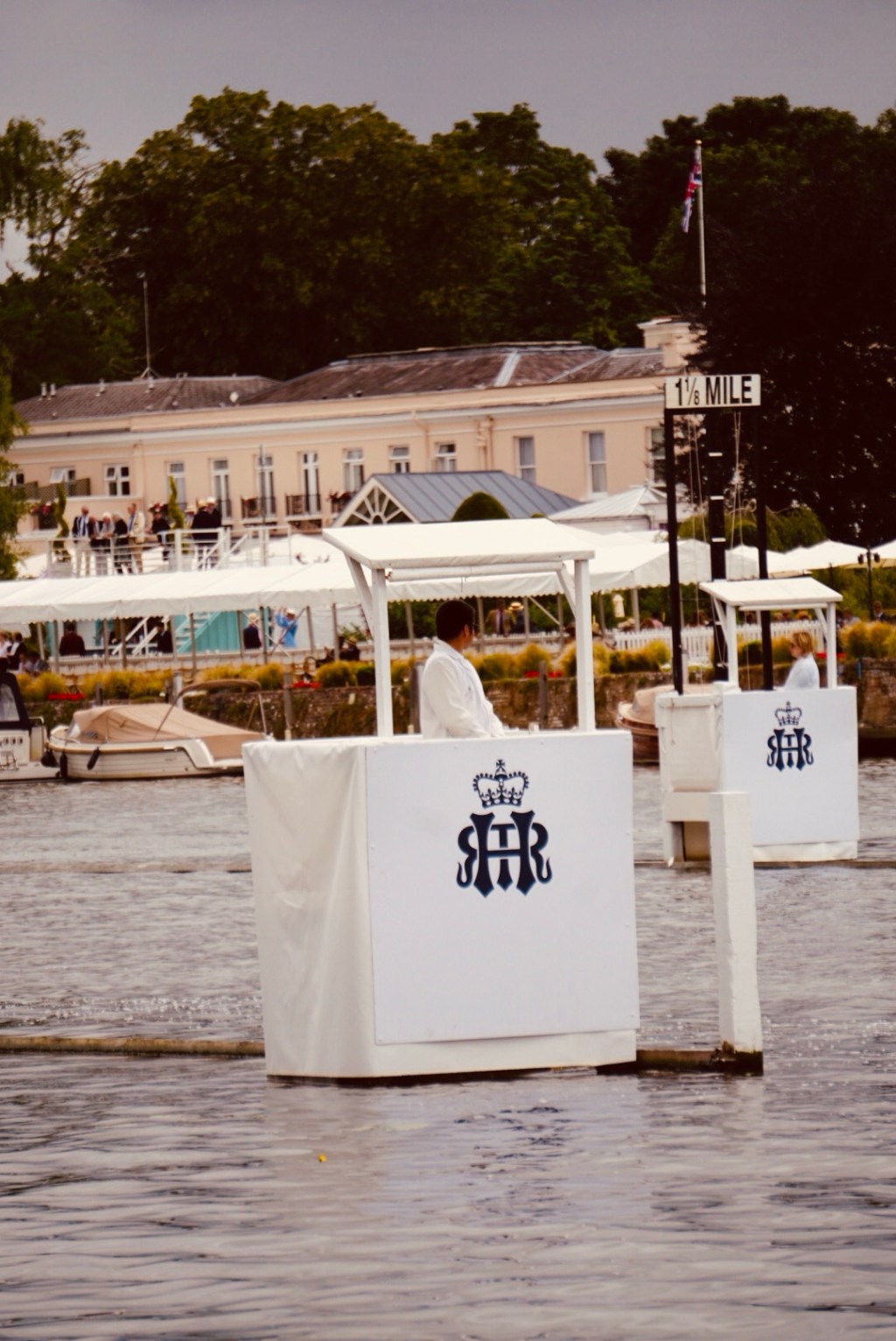
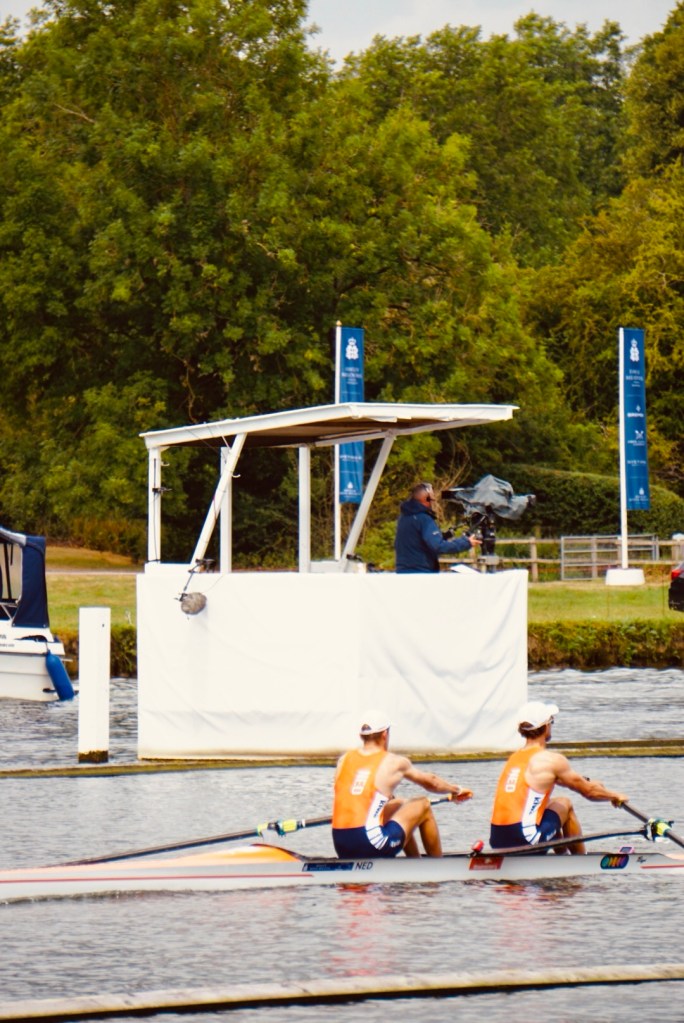
Yesterday, I found myself at the edge of the Thames in Henley-on-Thames, a curious observer at the Henley Royal Regatta, that gilded stalwart of the British summer season. First held in 1839 (a year after Queen Victoria ascended the throne), the event has become a postcard of old England: rowing boats slicing through the water, brass buttons glinting in the sun, and a dress code that, like the rowing itself, resists the current of change.

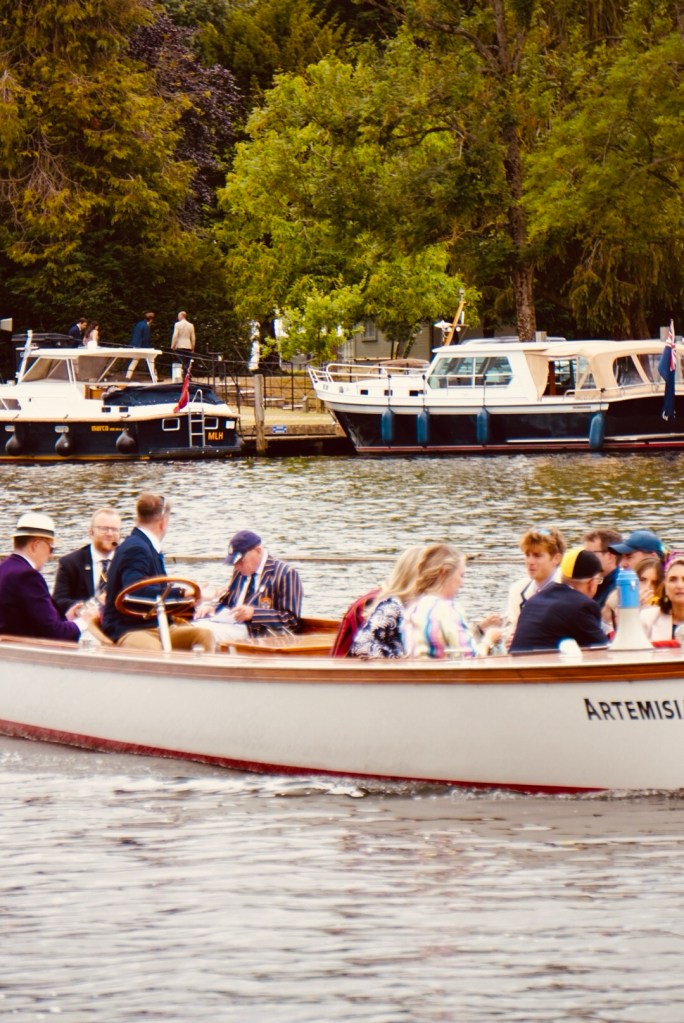
I had heard of Henley long ago. It’s one of those events that conjure instant imagery – strawberries and cream, boaters and blazers, Pimms and polite applause. To see it in person was to step into a living museum of Britishness. The people-watching alone could have filled a novel: gentleman in rowing club jackets, women in floral hats, sunglasses perched just so. And then, the lunchtime ritual – a car park transformed into a series of makeshift dining salons, with porcelain plates, silver cutlery, and Champagne flutes clinking beneath bunting. One couple even lit candles next to their estate car, as if summoning the spirit of Noël Coward.


It’s easy to mock, but hard not to admire. There’s a kind of unapologetic theatricality to it, a tradition sustained not because it must be, but because people choose to sustain it. What struck me most, though, was the clarity. Everyone at Henley knows what Henley is. Just as, more broadly, rowers seem to know who they are.
As I drove home, chatting with my wife, we found ourselves playing a sort of cultural word association.
Rowers? The economic and educational elite.
Surfers? Laid-back and sun-kissed.
Skiers are closer to rowers; snowboarders lean toward the rebellious flair of surfers.
Skateboarders? Think street culture, anti-establishment, DIY spirit, Punk rock.
Footballers? The ultimate rags-to-riches sport — working class heroes turned global celebrities.
Even tennis, with its all-white regimentation at Wimbledon, carries its own precise symbolism.
But canoeing? What does canoeing say?
Do we have an identity? Should we? I’ve paddled in rivers where competitors wear weathered thermals patched with duct tape, and I’ve watched elite racers in laser-cut lycra built for performance, not fashion. I’ve stood at the start line of iconic races, yet I wonder: if someone outside the sport stumbled upon one, would they know what we were about?
We don’t yet have a signature look. Or a cultural shorthand. Or a social association. And maybe that’s a strength – a blank canvas. Or maybe, it’s a symptom of being overlooked.
I think it’s time we asked ourselves: Are we posh, are we cool, are we alternative – or are we just practical and silent, like the rivers we paddle?
More importantly, do we want to stand out? Because if we do, then identity isn’t just something that emerges organically, it’s something we have to build.
And if no one else is thinking about this, then for Paddle Games, I certainly am. Perhaps it’s time for canoeing to step into the cultural conversation, not by mimicking Henley’s blazers or surfing’s laid-back swagger, but by crafting something of our own. An aesthetic, a tone, a statement.
Because sport isn’t just about performance. It’s about story. And if canoeing is to flourish, we need to start telling ours.



Leave a Reply