

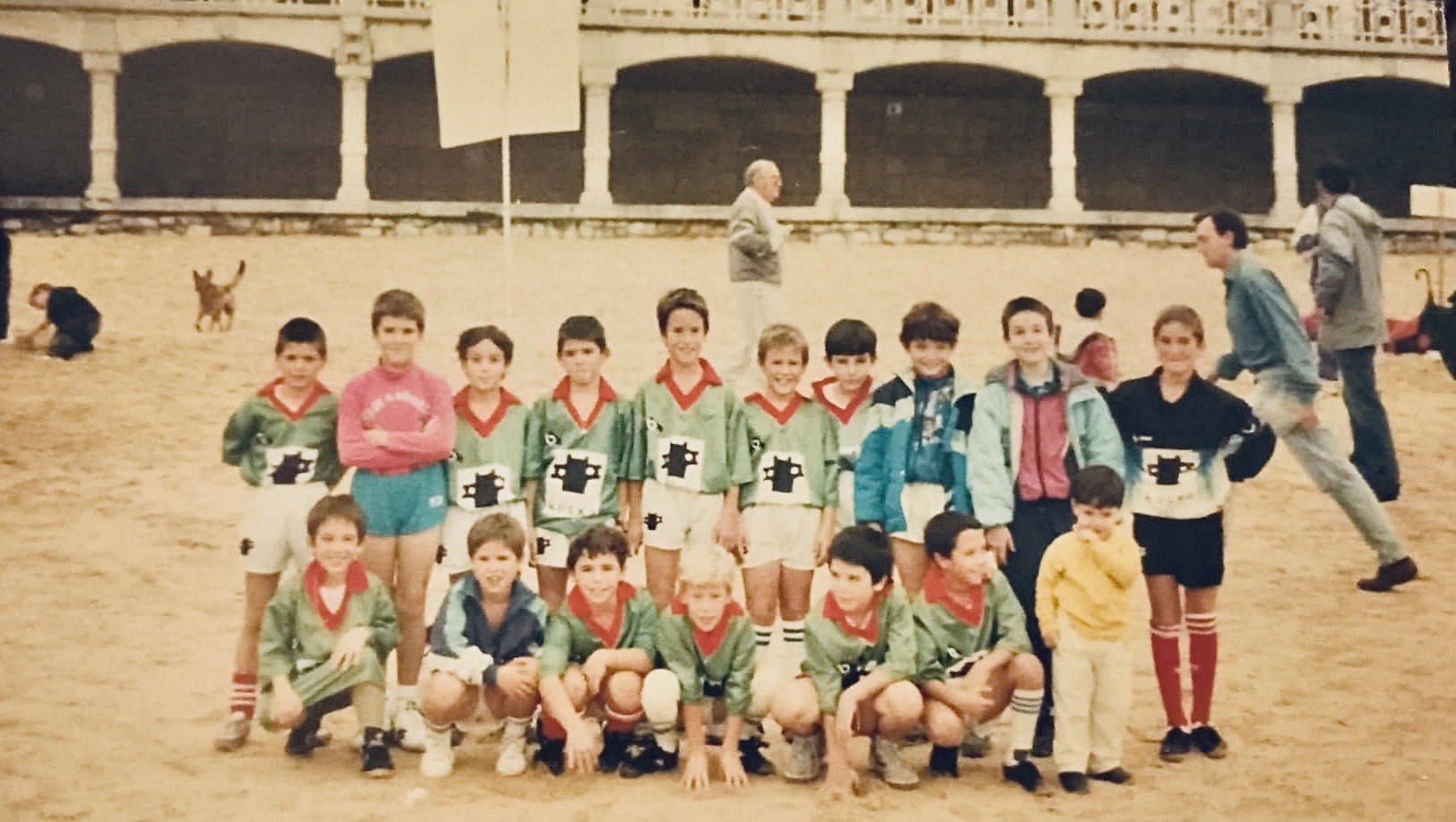
Mikel Arteta and I entered the world in the same year and the same month, our childhoods unfolding along the same streets of San Sebastián. We kicked balls across the same beach, and according to friends, we even played in the same youth league — though, truthfully, I don’t remember ever lining up against him on the pitch. Yet that curious proximity, however fleeting, has made following his rise from San Sebastián to the Premier League touchline feel strangely personal, especially now that I, too, live in England. Watching Mikel Arteta, Unai Emery and Andoni Iraola — all born within a 20km radius — transform clubs through culture, identity and meticulous preparation, I’ve come to realise that the lessons of Basque football extend far beyond tactics. They speak directly to how high-performance environments are built, sustained and, crucially, believed in.
The Basque Country may be a modest corner of northern Spain, but in football management it punches well above its weight. Arteta, Emery, Xabi Alonso, and Andoni Iraola have emerged as some of the most innovative minds in the game, revealing a culture that prizes unity, identity, and collective excellence. These lessons are strikingly applicable across other elite sporting contexts.
Arteta’s impact at Arsenal has gone far beyond formations and pressing triggers. Under his guidance, the Emirates Stadium has been transformed: the atmosphere is warmer, more passionate, more alive with expectation. Fans no longer simply attend matches; they participate in the rhythm of a team that plays with clarity and purpose, connecting with the energy on the pitch. It is a club re-energised not only tactically but emotionally, and I hear that that sense of collective belief has been palpable in every corner of north London.
Equally striking is Emery’s work at Aston Villa. At one point this season, Villa languished second to last, teetering dangerously close to the relegation zone. Yet Emery’s meticulous approach, adaptability, and insistence on resilience have turned them into genuine title contenders: the team now sits third in the Premier League, refusing to give up, refusing to be defined by past struggles. In doing so, Emery has become the manager with the most wins in Aston Villa’s history, a milestone that reflects not only tactical skill but the ability to inspire belief in players and staff alike.
At the heart of the Basque approach is a profound sense of community and shared purpose. Clubs such as Athletic Club and Real Sociedad have long prioritised local identity, recruiting and developing players rooted in the region. This fosters a culture of belonging and mutual accountability: everyone understands the values they represent, and each individual is empowered to perform within a coherent collective framework. In high-performance sport, this demonstrates that identity is more than branding — it is a stabilising force that channels talent toward shared goals.
Equally significant is the Basque commitment to methodical development. Youth systems emphasise learning and tactical understanding over immediate results, producing athletes who are technically proficient, strategically aware, and mentally adaptable. This patience in nurturing talent underlines a crucial lesson for elite sport: building sustainable excellence requires time, rigorous preparation, and a culture where growth is valued as highly as victory.
The trajectories of Basque managers also illustrate the power of intellectual engagement with the game. Arteta, Emery, Alonso, and Iraola are all thinkers, many shaped by years as midfielders — positions demanding both analytical insight and creative vision. Their leadership combines strategic clarity with adaptability, showing that even in the most unpredictable competitive environments, a coherent identity provides a platform from which innovation can flourish. For coaches and athletes in other sports, this suggests that embedding critical thinking, reflection, and shared principles within team culture can amplify performance under pressure.
Finally, the rise of these managers underscores the strength of cultural continuity in high-performance contexts. In an era of globalised sport where styles and philosophies are often homogenised, the Basque example demonstrates that a strong local identity — one that is collective rather than individualistic — can produce unique, world-class results. Teams that embrace their roots, codify shared values, and cultivate intellectual cohesion can create resilience and a competitive edge that transcends individual talent.
The Basque golden age of coaching is more than a regional phenomenon; it is a reminder that in elite sport, unity and identity are not optional extras but strategic imperatives. Across football, or other Olympic and Paralympic disciplines, the lesson is clear: teams that understand who they are, invest in collective learning, and foster mutual accountability will consistently outperform those that rely solely on individual brilliance.
 EKAITZ SAIES
Leave a comment