
My first experience as a coach happened quite by accident — both figuratively and literally. At the peak of my athletic career, just nine months away from the 2011 Olympic qualifiers, I was involved in a motorbike accident that left me with a broken leg. With my leg in a cast for two months, I had to adapt my training, using a wide and stable initiation boat to stay on the water. Still reliant on crutches, I needed help moving the large boat from the boathouse to the pontoon. In exchange for this assistance, I offered to support two junior girls with their training programme.
This arrangement turned out to be mutually beneficial. While I managed to continue my preparation, they thrived — ultimately ranking first and second in the junior selection races and qualifying for the Junior World Championships, where they went on to win a bronze medal in the K4 500m. That unexpected coaching role marked the beginning of a journey that has since given me the privilege of working with exceptional female paddlers, many of whom have won Olympic and world championship medals.
One of the most sensitive conversations I have had with some of these athletes revolves around body image. From time to time, I would hear remarks such as, “I don’t want to have so-and-so’s biceps,” or “I don’t want my shoulders to look like theirs.” I have always tried to reframe such concerns in a positive light—both in terms of performance and as a source of confidence and inspiration for other women. In my view, attractiveness isn’t defined solely by specific physical attributes; confidence and pride in one’s own body can be just as, if not more, compelling.
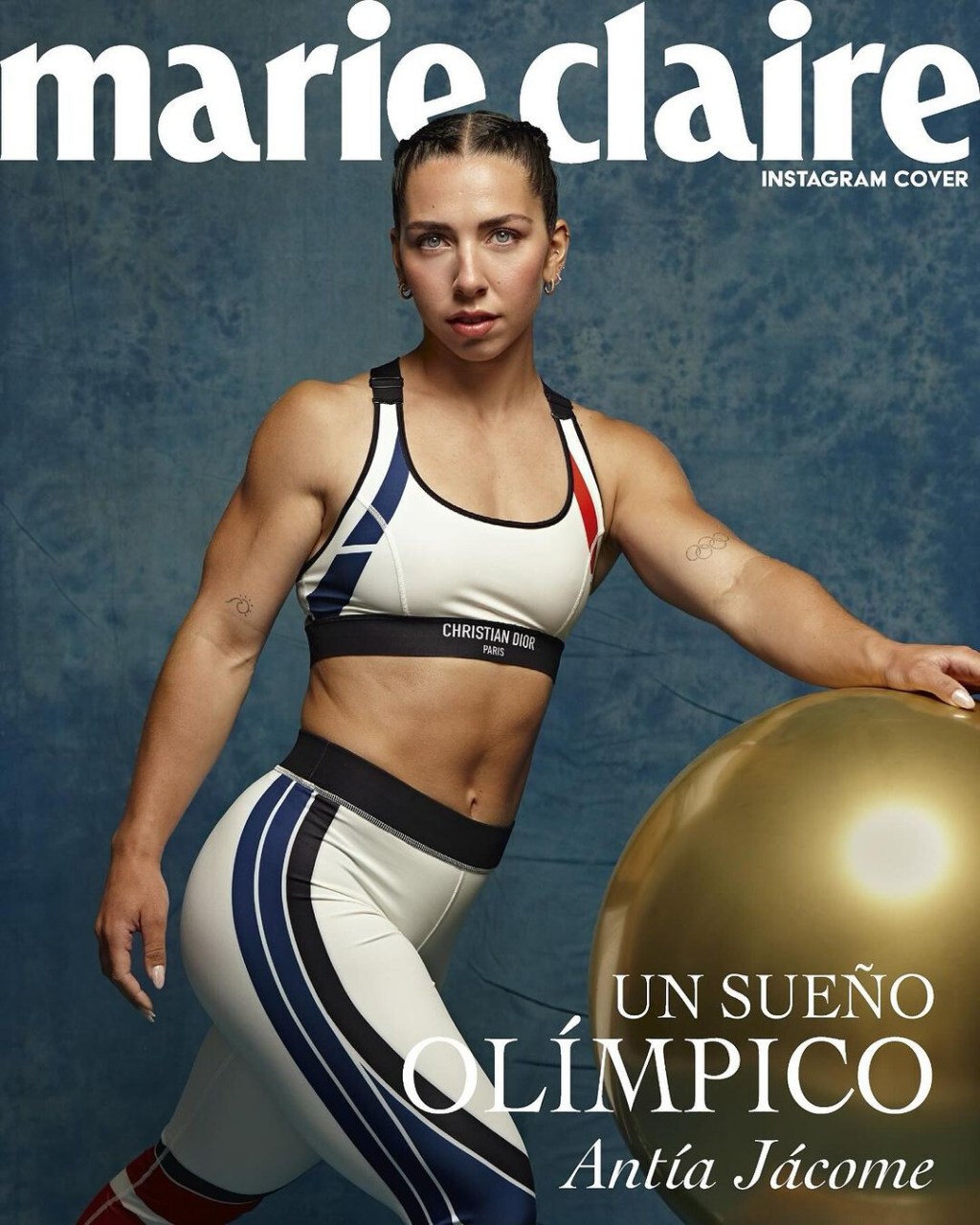
One athlete I particularly enjoyed working with, who fully embraced this mindset of taking pride in her physical strength and femininity, is the canoeist Antía Jácome. At the 2024 World Cup in Szeged, just before the C1 200m final, she asked me to film her as she carefully plaited her hair. The ritual reminded me of a samurai meticulously preparing for battle — an act of discipline, pride, and quiet confidence.
During the Paris 2024 Olympics, I came across another athlete on social media who has taken body positivity to an even more public level: the American rugby player Ilona Maher. Through her outspoken advocacy and vibrant presence, she is reshaping the conversation around female athleticism, strength, and self-acceptance.
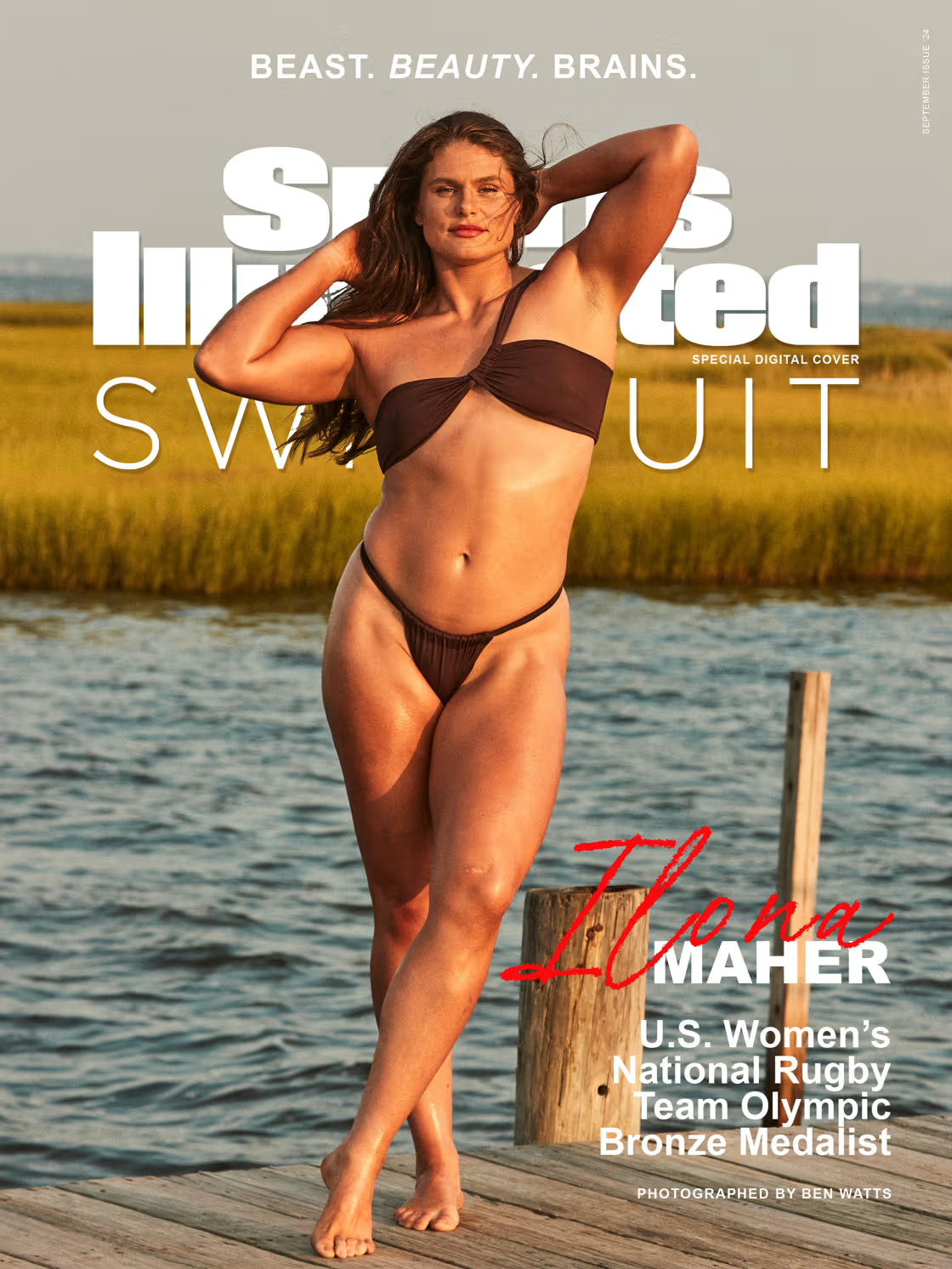
Ilona Maher is not just an Olympic rugby sevens player — she is a force for change in the body positivity movement. As a member of the U.S. women’s rugby team, Maher has used her platform to challenge the narrow beauty ideals that dominate media and social spaces. In doing so, she has become a beacon of strength, self-love, and acceptance, particularly for women and young girls who feel pressured to conform to impossible standards.
In a world where athletes, particularly women, are often expected to adhere to a certain aesthetic, Maher stands out by embracing her body as it is. Through her active social media presence, especially on TikTok, Maher is vocal about the importance of loving the body for its strength rather than its appearance.
In a candid video, she shared:
“Hey everyone, just your monthly reminder that this is the body of a professional athlete. It’s not perfect. It’s not completely lean. It’s not completely toned, but this body is amazing, and it does amazing things for me.”
— NCAA.org
This sentiment resonates deeply with her followers, especially those who are tired of seeing athletes—and women in general—held to unattainable beauty standards. Maher’s message is simple: performance, not perfection, should be the benchmark.
Maher’s commitment to body positivity extends beyond her own journey. She is also a vocal advocate for the idea that femininity and strength are not mutually exclusive. In fact, she argues, they are inherently connected.
“I think strength and power and aggression can be feminine and can be beautiful if you want it to be.”
— AP News
This message is especially poignant in a sporting landscape where women’s strength is often downplayed or even criticised. Maher’s refusal to shy away from her physicality sends a powerful message to young girls everywhere: your strength, both physical and emotional, is something to be celebrated, not hidden.
One of Maher’s most impactful moments came when a 9-year-old girl named Georgia Sullivan reached out to her on social media, struggling with body image. Maher’s response was both compassionate and empowering.
“This is the body you got and this is the body you gotta love.”
— People.com
Such interactions show Maher’s dedication to creating a space where young fans can feel safe and supported. She is not only changing the way people view athletes but also how they view themselves. Her openness about her own body journey encourages others to let go of unrealistic ideals and embrace their own physicality with pride.
Maher’s influence extends into mainstream media, where she is helping to broaden the conversation about beauty. Her appearance in the Sports Illustrated Swimsuit issue is a key example of this. By showcasing her muscular, athletic physique in such a high-profile magazine, Maher challenges the narrow and outdated standards that have long dominated such spaces.
“I hope that showcasing muscular, big bodies can inspire girls to start to love themselves.”
— Self.com
In doing so, Maher has become not just a role model for athletes but for anyone seeking to redefine beauty in a more inclusive and empowering way.
Ilona Maher’s journey is part of a broader movement among female athletes who are reclaiming the narrative around body image. Athletes like Antía Jácome, who proudly display their strength, and others across disciplines—from weightlifters to sprinters—are challenging outdated ideals and redefining beauty in sport. Their message is clear: strength, confidence, and authenticity are powerful, and they deserve to be celebrated.
By using their platforms to inspire the next generation, these women are ensuring that future athletes will grow up in a world where performance is valued over aesthetics and self-acceptance is the ultimate goal. In an era where social media magnifies unrealistic beauty expectations, role models like Maher and Jácome remind us that the true essence of an athlete is not in their appearance, but in their power, resilience, and self-belief.

 EKAITZ SAIES
Leave a comment