

The morning air is crisp, biting at the skin. A delicate mist hovers over the still waters of the Holme Pierrepont National Water Sports Centre in Nottingham, catching the pale winter sun. On the water, a group of athletes paddle with quiet determination, their breath curling in the cold air as they prepare for their first set. At their helm stands Hannah Brown, a former canoeing world champion turned coach, whose expertise helped guide the British Paracanoe team to an astonishing four gold and four silver medals at the Paris 2024 Paralympic Games.
For these athletes, being led by a female coach is as natural as the rhythm of their paddles slicing through the water. But step back and survey the broader landscape of high-performance coaching, and a stark reality emerges: she is the exception, not the rule.
Coaching in high-performance sport has long been male-dominated. While more women are breaking barriers and proving their expertise, they still face significant challenges. Achieving true inclusivity requires structural support and recognition of their contributions.
The Current Landscape in Canoeing
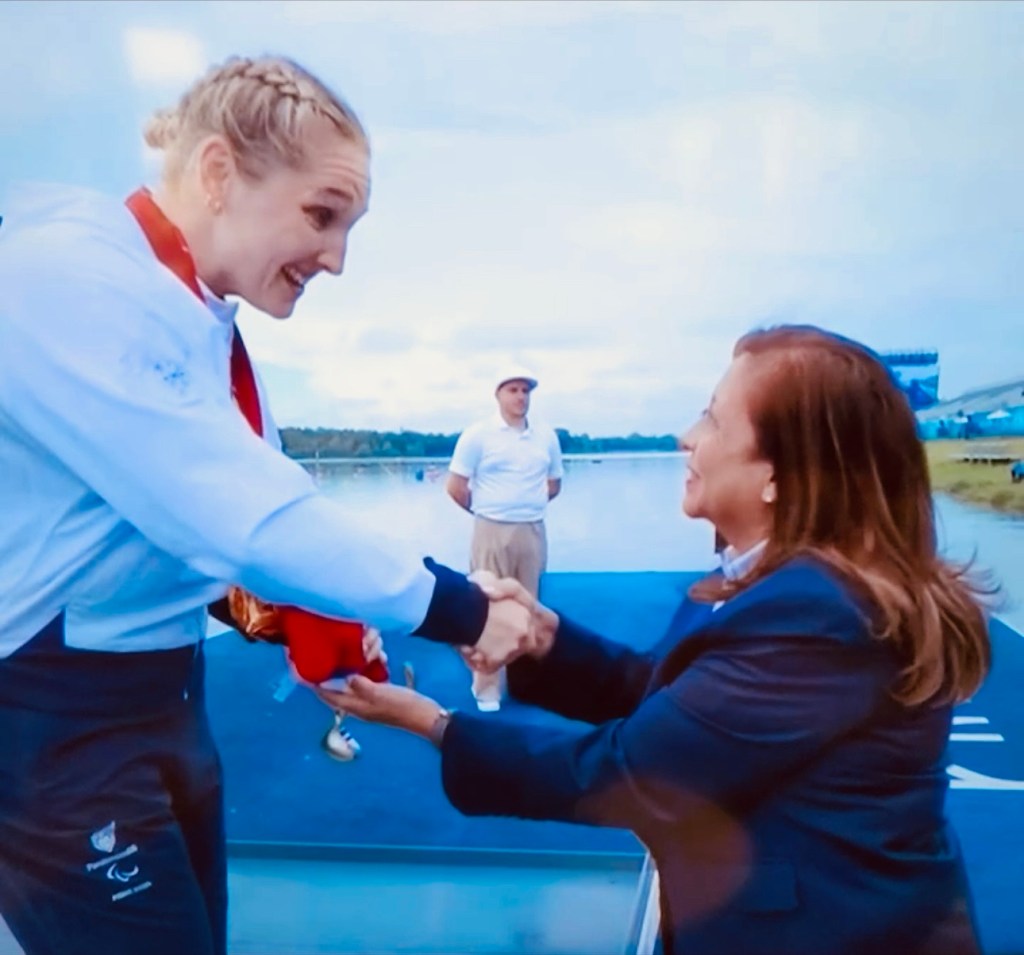
Despite strides toward gender equality in sport, coaching remains resistant to change. At the Paris 2024 Olympics, only 13% of accredited coaches across all sports were women, and in canoeing, the figure was even lower—just 8%.
Cecilia Farias, Vice President of the International Canoe Federation (ICF), views these numbers not as discouraging but as a call to action. “This data clarifies our reality and should fuel our enthusiasm towards our goals,” she says. The ICF is working to create structured programmes that actively support women in coaching and leadership positions.
The path into coaching is not solely about talent or qualifications. Many women opt for different professions due to unwelcoming environments, limited career pathways, and financial constraints that restrict participation at the international level. “We can’t always be present in the forums where our voices and energy are needed, but we must persist,” says Farias. Addressing these barriers through funding initiatives and mentorship programmes is key to increasing female representation.
Advancing Gender Equality in Canoeing Leadership
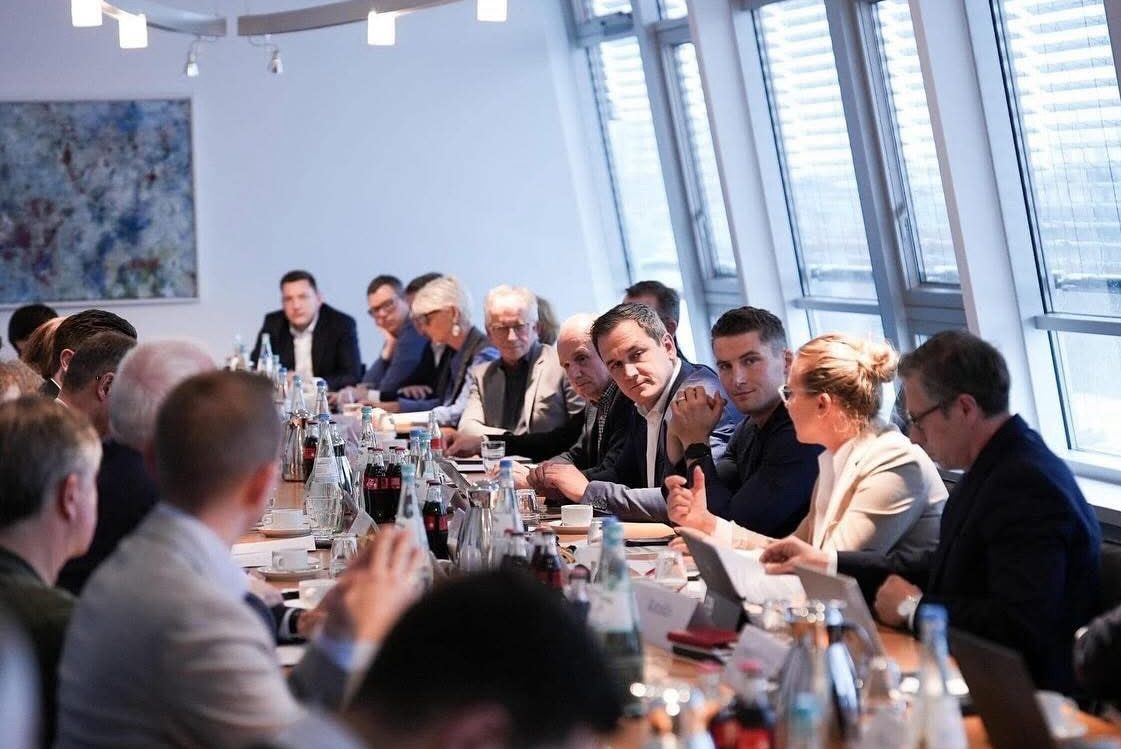
Dajana Pefestorff, President of the German Canoe Federation, has witnessed major strides in gender equality within canoeing. Since 2020, women have had equal competition opportunities in Olympic canoeing—an overdue milestone. However, leadership roles remain male-dominated.
“The image of a coach, a president, or a CEO has long been male-dominated. We need to consciously change that narrative by showcasing female leaders in sport,” Pefestorff explains. She urges governing bodies to actively recruit and support women in leadership.
Her advice to young women in canoeing is clear: “Believe in yourself. Leadership, knowledge, and passion are not defined by gender. Seek out mentors, keep learning, and embrace opportunities. Your voice is essential for shaping the future of canoeing.”
Building a Stronger Pipeline
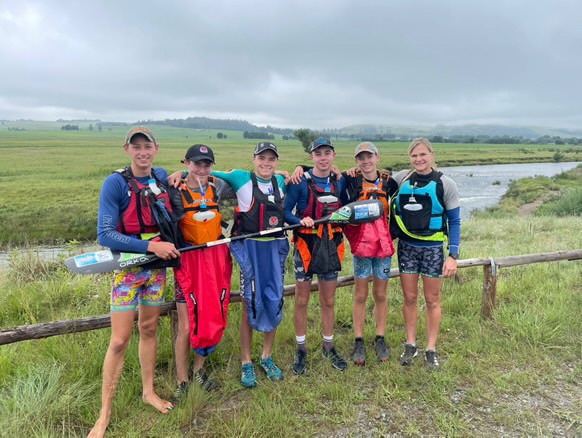
Dedicated programmes supporting women in coaching are crucial for increasing representation. Grassroots initiatives like the Boulogne Canoe Cup and the upcoming ICF Women Coaches Programme are creating pathways for women to gain experience and progress in the field.
South African Olympic medallist Bridgitte Hartley shares her journey coaching at Maritzburg College, an all-boys high school. As part of the WISH (Women in Sport High-Performance) programme, she connected with female coaches across various sports. “For the first time, I met so many women with the same passion for coaching,” she says. Inspired by the programme, she set ambitious goals—many of which she has already achieved.
Hartley acknowledges the challenges: “It takes one to two years to build a squad, instill belief, and push athletes toward high goals.” Yet, she finds immense fulfillment in the journey and encourages more women to take the leap into coaching.
Leadership and Influence in Coaching
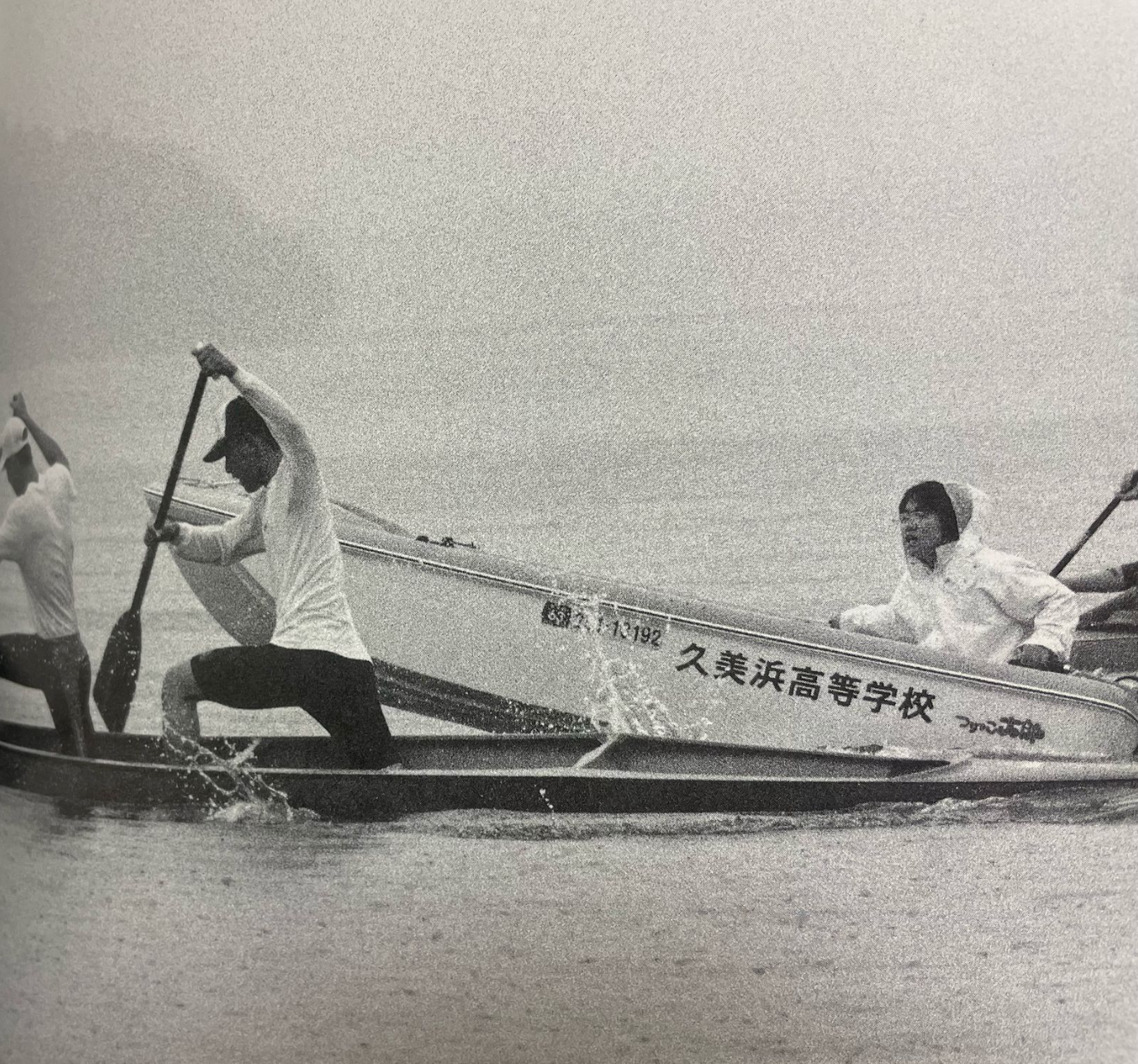
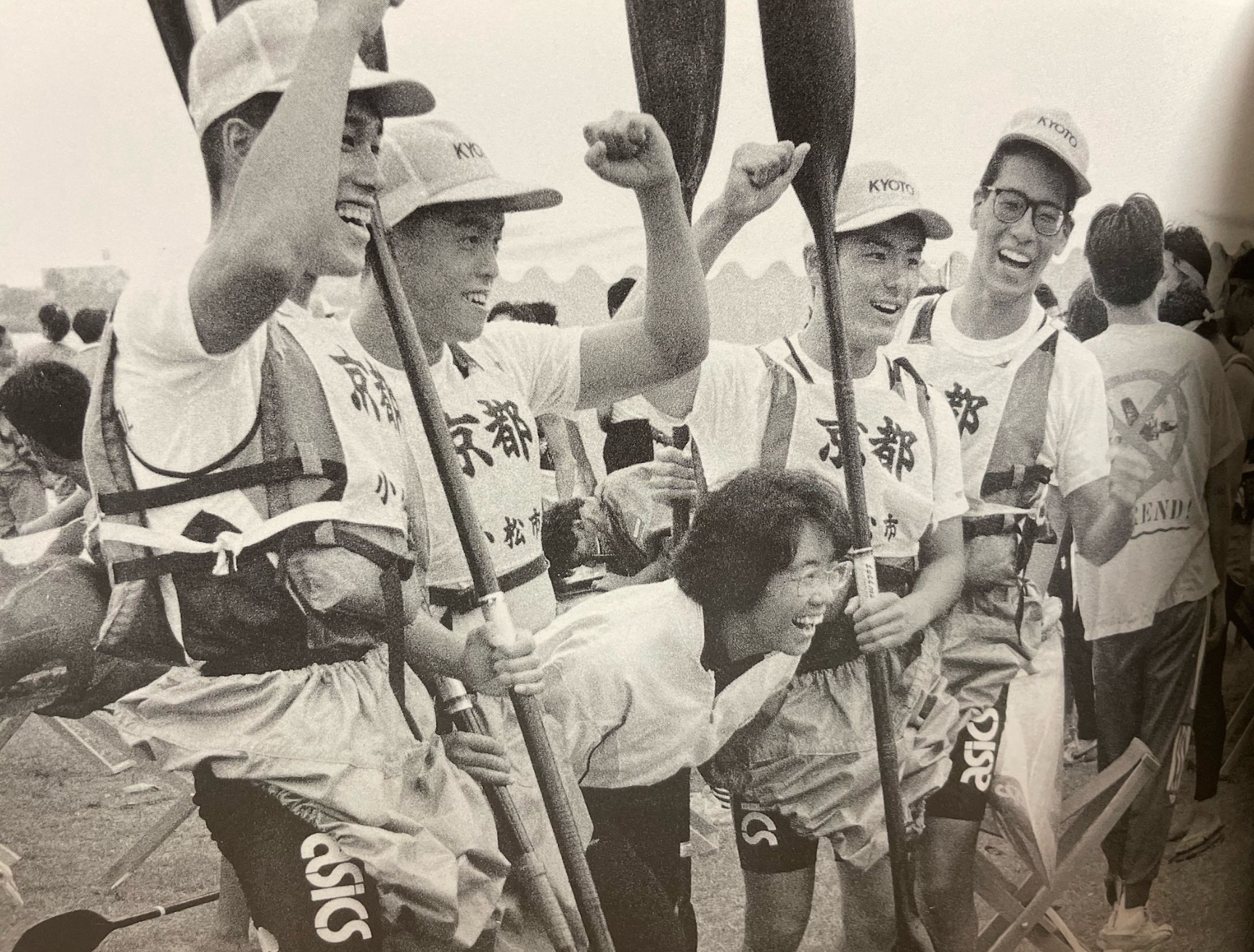
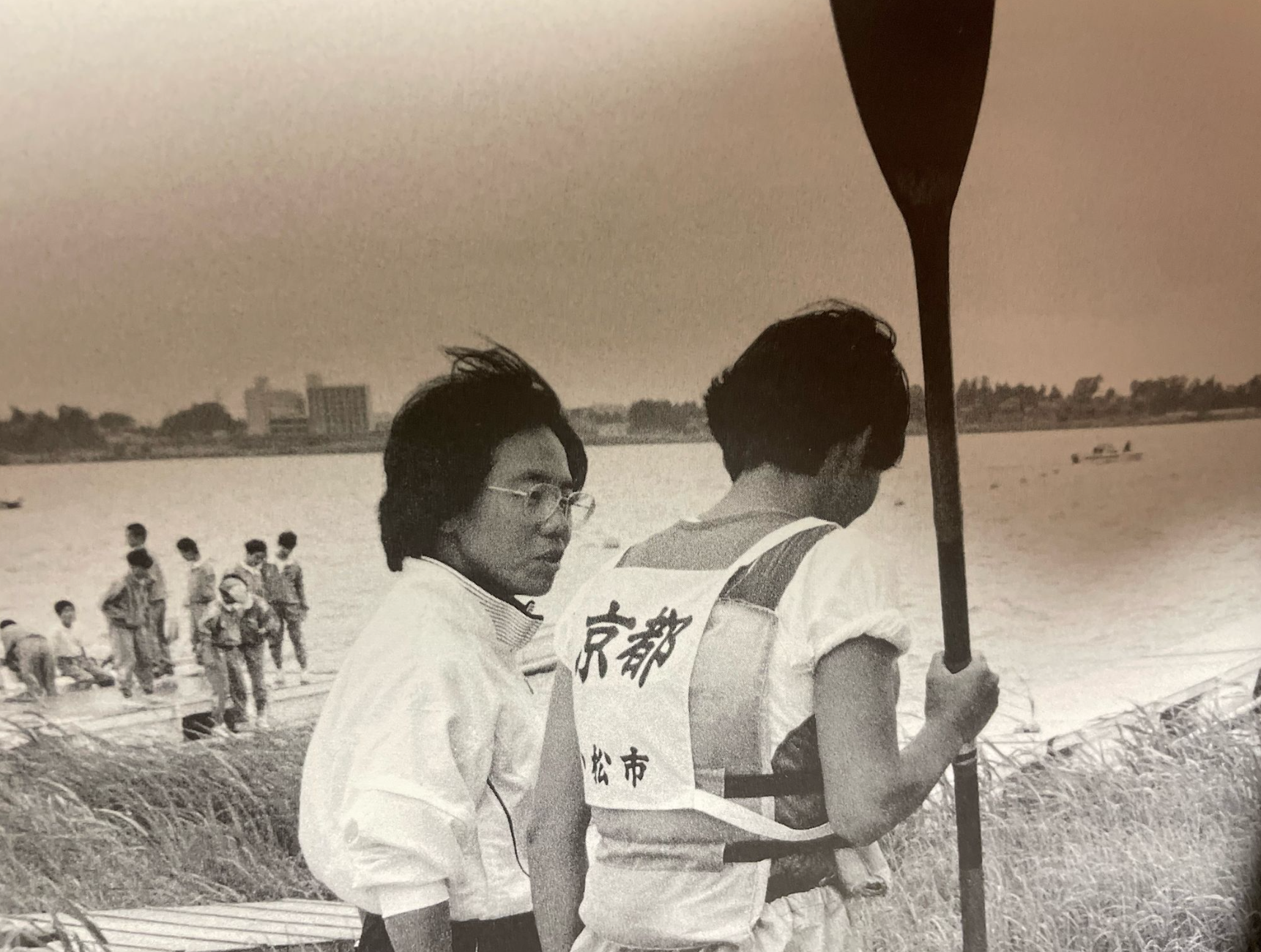
Miki Bando, a Japanese coach, former team leader of the Japanese canoe team and current chair for Canoe Marathon at the Asian Canoe Confederation, is passionate about inspiring young athletes and shaping the future of coaching. “I want to teach children about this wonderful sport,” she says, emphasizing the importance of early engagement.
Miki has faced challenges in gaining recognition for her expertise. “Sometimes they didn’t take my opinion seriously. It is important to be persistent and communicate consistently.” However, she has noticed progress over time. “The number of female leadership training programmes has increased. The number of men who understand this is gradually increasing.”
Miki advocates for broad perspectives and long-term thinking. “It is necessary to be aware of the social issues surrounding athletes,” she explains. She believes true progress lies not just in increasing numbers but in placing women in senior decision-making roles. “We need to get women into senior roles, not just increase the number of women.”
She also highlights the shift toward gender equality advocacy. “More men are advocating gender equality. Up until now, it has been important to increase the number of women. However, rather than the number, I want them to be equal in important decision-making bodies.” Ultimately, she envisions a coaching culture “that embraces diversity rather than emphasizing gender equality.”
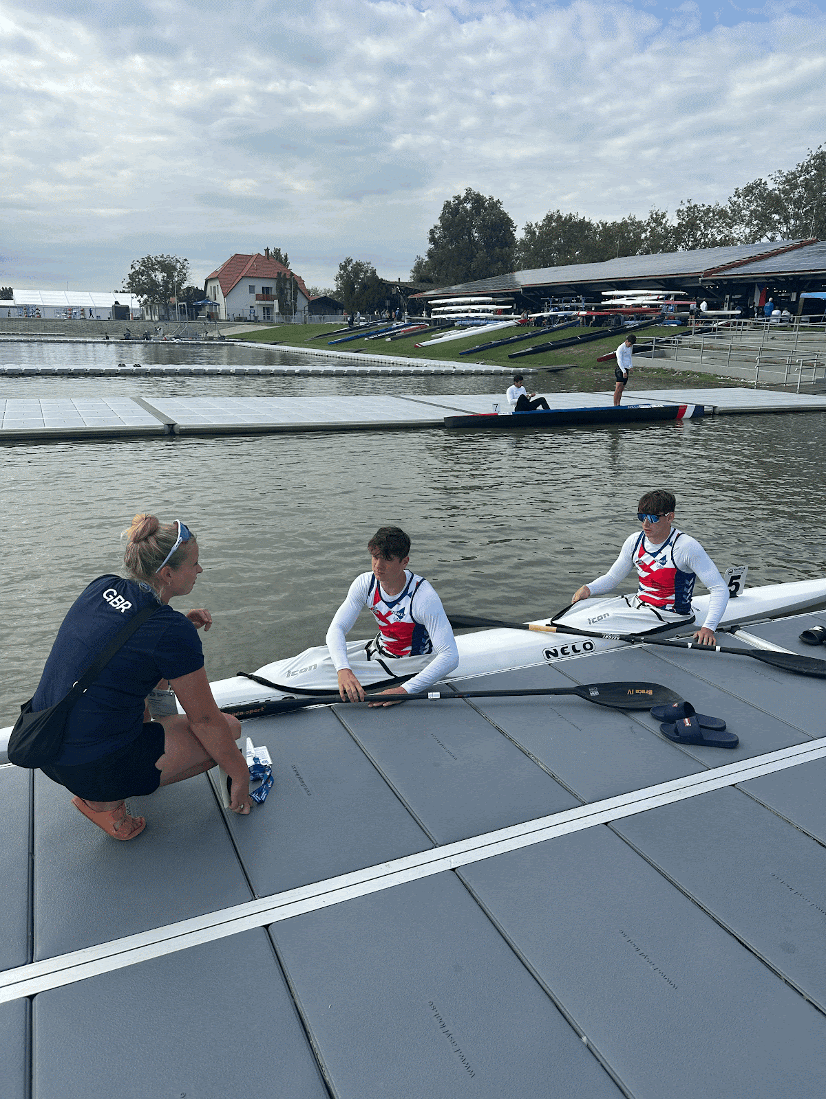
For Imogen Collins, a flatwater kayaking coach, the transition from athlete to coach was natural. “I lacked the mental drive to continue competing, but coaching kept me connected to the sport I loved,” she reflects.
Like many women in male-dominated fields, Collins initially questioned whether her gender influenced her opportunities. “For years, I wondered if being male would have given me different chances. But over time, I realised I earned my place through hard work and dedication.”
Through her work with Paddle UK and the Reading Canoe Club, Collins has developed a strong coaching philosophy: “Every athlete has different needs. The ability to adapt and ensure they feel supported is crucial.”
One of her proudest moments was coaching an athlete who overcame severe medical challenges, including multiple strokes, to earn a place on the GB Para Rowing team. “The impact I had on her journey reinforced my belief that coaching is about nurturing the person, not just the athlete.”
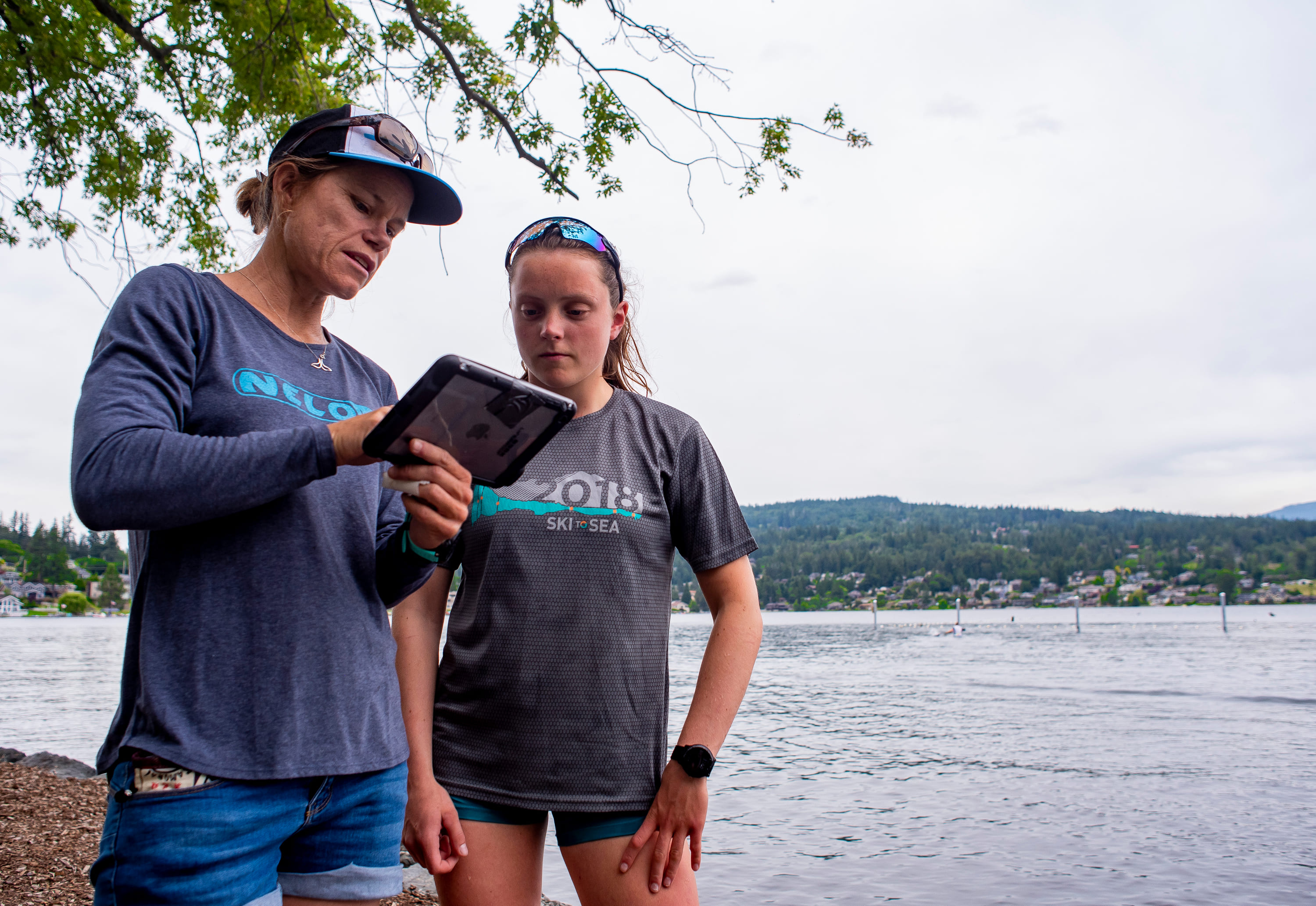
Michèle Eray’s transition from athlete to coach was driven by curiosity and a desire to understand human performance. “I love experimenting, and when I took charge of my own training programme, I got to try out all of my ideas,” she recalls. Over the past 15 years, she has thrived on learning how to coach and enjoys the process of helping athletes become their best selves. Now, as the High Performance Director for the American Canoe Association, she is at the forefront of athlete and coach development.
“It’s hard to often be the only woman at the table, and it can be intimidating,” Michèle admits. Coaching in a male-dominated sport requires persistence, but she has seen positive changes. “There are more programmes supporting women coaches at the high-performance level, and showcasing successful female coaches is key to inspiring future generations.”
For Michèle, mentorship and visibility are critical. “Providing more opportunities for female athletes and coaches to get involved is essential. You have to see something to know it exists.” Her advice to aspiring female coaches? “Learn as much as you can from different sources. Coaching is about more than just the technical aspects—it’s about power skills and continuous growth.”
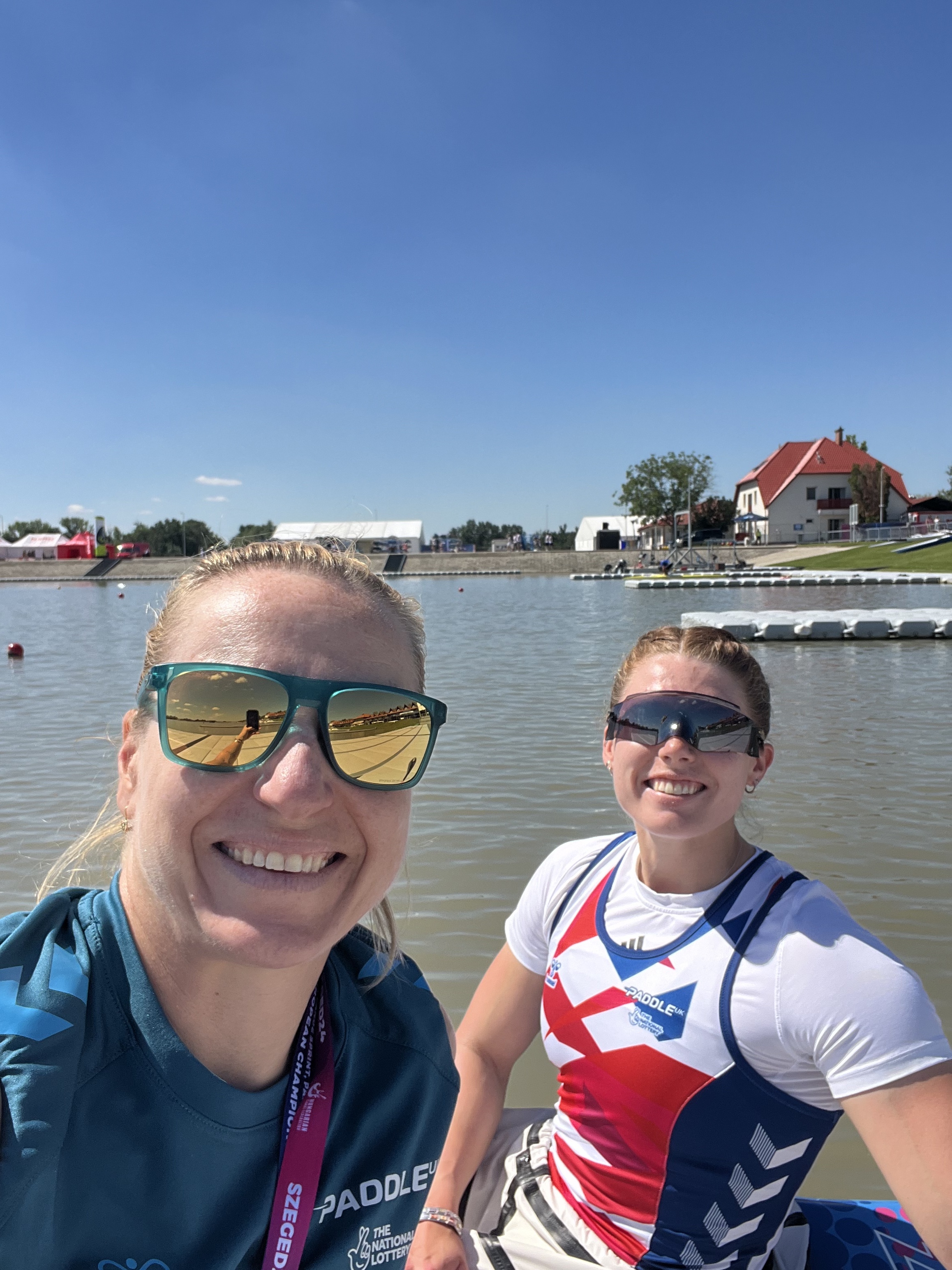
For Kristina Medovcikova, an international canoeing coach, coaching was always the natural path. “Sport changed my life—it gave me resilience and opportunities. I always knew I wanted to pass that on to the next generation.”
She faced challenges in a male-dominated field, including discrimination and bias. “I never wanted special treatment—I wanted to be recognized for my expertise. My belief in myself and my dedication kept me going.”
With over two decades of experience, from grassroots development in Scotland to international coaching, Medovcikova emphasizes trust, respect, and shared purpose. “Coaching isn’t just about results; it’s about creating an environment where athletes feel heard and supported.”
One of her proudest moments was guiding young athletes from their first strokes in a canoe to standing on the podium at world championships and racing at the Olympic Games. “The journey matters as much as the destination. Seeing athletes grow as individuals is the greatest reward.”
Medovcikova sees momentum for gender equality in coaching but acknowledges more work is needed. “The next generation needs role models—women in leadership who prove there are no limits.”
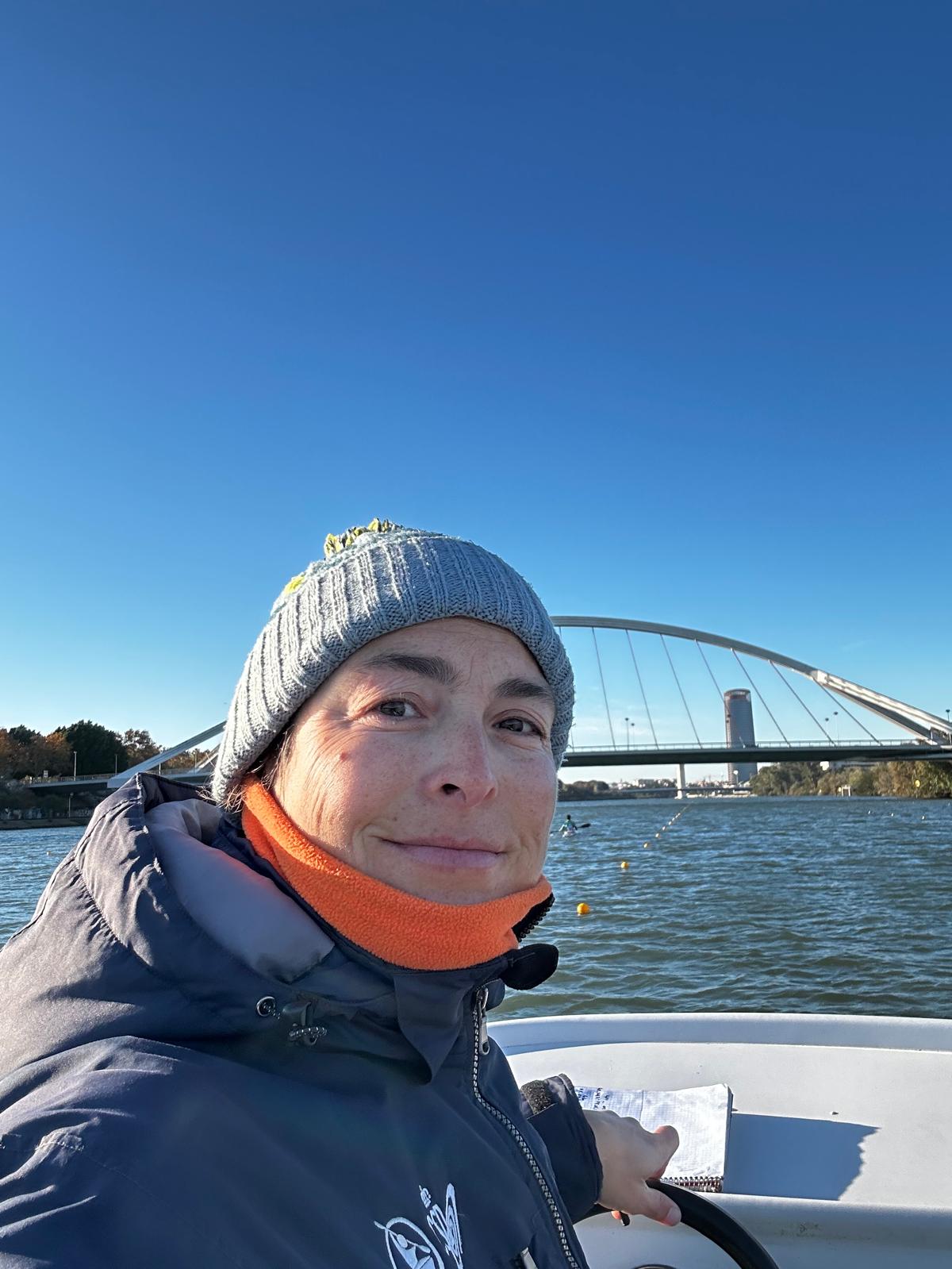
Natalia Martín’s coaching career began organically, evolving from her own experience as an athlete. “I followed the opportunities that presented themselves,” she explains. Starting as an assistant coach at her club, she pursued education in physical education and sports sciences, gradually carving out a place in the field.
For Natalia, coaching presents daily challenges, but she believes respect is the foundation of success. “Respetar y ser respetada. To respect and be respected. Without respect, you can’t achieve anything with a team.” She acknowledges that initiatives promoting women’s participation in coaching have helped create more opportunities but emphasizes that trust in one’s abilities is key to progress.
Natalia believes in structured opportunities such as training camps to introduce young women to coaching roles. “Making female coaches visible, from beginners to ambassadors of our sport, is crucial for inspiring others.” Her proudest moments come when an athlete places trust in her guidance, affirming her impact as a coach.
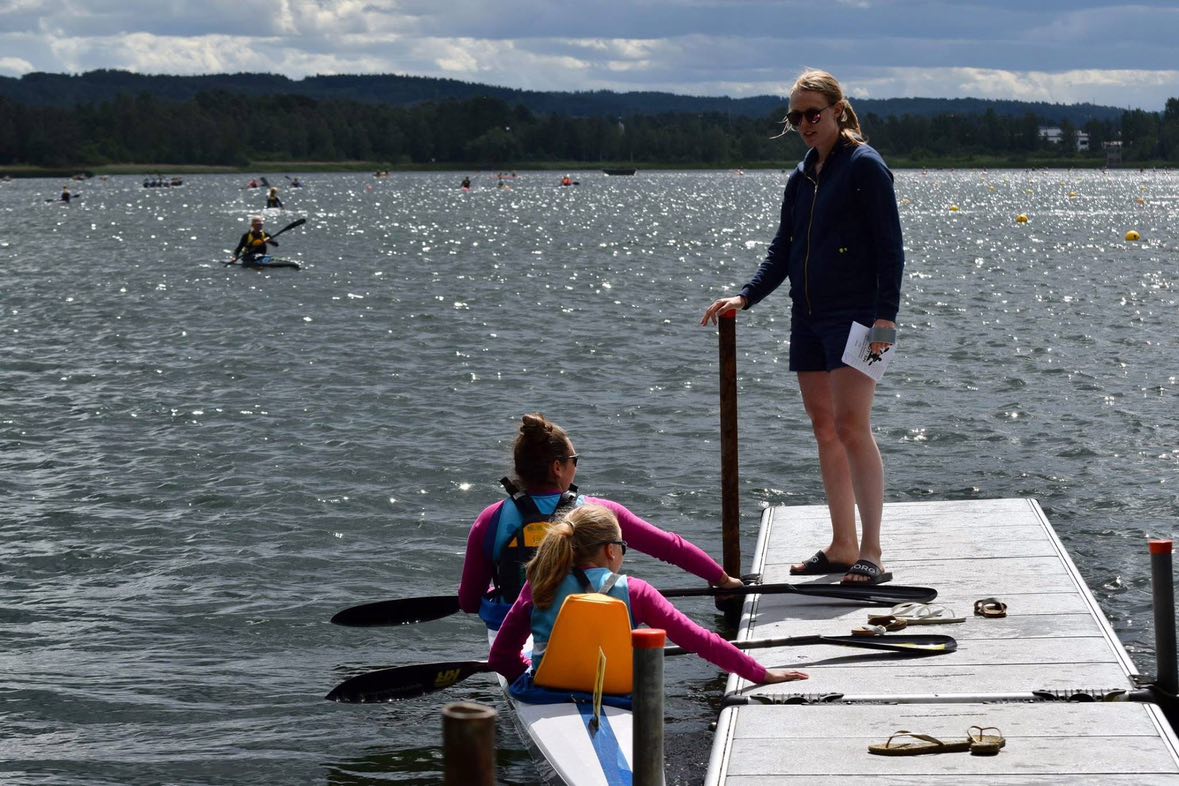
Linda Härefelt’s journey into coaching was fueled by a desire to give back. “I think that the sports environment can have an amazing impact on both athletes and coaches,” she says. Working at Brunnsvikens Kanotklubb in Stockholm, she coaches teenagers, juniors, seniors, and paracanoe athletes, striving to create opportunities for young paddlers to grow.
One of the biggest hurdles Linda faced was the lack of female representation. “Ten years ago, I often felt I wanted a mentor to ask about everything I was learning for the first time as a coach.” To address this gap, she founded a coaching network in Stockholm, creating a space for coaches to connect and learn from one another.
For Linda, visibility is everything. “If you can see it, you can be it!” She stresses the importance of having women in high-performance coaching roles to inspire future female coaches.
#SheCoaches: A Paddle UK Initiative for Women in Canoe Coaching
Paddle UK is launching a new #SheCoaches campaign with an ambition to create a network for female coaches.
Spearheaded by Nathalie Siegrist, the Lead Coach Academy Programme, the project aims to better understand the challenges that women face on their coaching and leadership journey, and what support and/or development opportunities they may be interested in.
The survey is live and can be found here.
Steps Toward Greater Inclusion
Research highlights that women coaches who feel supported thrive in autonomy-supportive environments. Support systems, including learning opportunities, development programmes, and strong interpersonal relationships, play a crucial role in their success. In particular, mentorship has proven to be a game-changer—96% of women coaches in Canada reported that mentorship was instrumental in their professional growth.
Retention is another key focus in the conversation around women in coaching. Many women step away from volunteer coaching roles due to self-doubt and the perception that they are less knowledgeable than their male counterparts. Addressing these challenges through education, mentorship, and increased visibility will be essential for fostering long-term inclusion in coaching.
To increase the number of women in coaching, several key steps must be taken:
- Sharing Women’s Stories – Highlighting the successes and struggles of female coaches is vital to breaking down barriers and inspiring future generations.
- Creating Female-Focused Support Networks – Establishing mentorship and peer support programmes is essential for professional development.
- Recognising the Value of Soft Skills – Emotional intelligence, mentorship, and adaptability are as crucial as technical expertise in coaching.
- Addressing Financial Barriers – Providing funding and travel stipends ensures female coaches can participate in key international discussions.
- Encouraging Male Allyship – Real progress comes when male coaches and sports leaders actively support gender diversity.
The Future of Women in Coaching
As Cecilia Farias notes, women make up nearly 50% of the global population—there is no reason they should not have equal opportunities in coaching and leadership. “We must exercise our rights and potential in full, taking up the roles we are prepared for as committed professional women.”
The path forward requires persistence, systemic change, and collective effort. By fostering inclusive environments, increasing representation, and celebrating female coaches’ achievements, the sporting world can move toward a more equitable future. With continued advocacy, investment, and institutional reforms, women in coaching will not just participate—they will lead, inspire, and redefine the game.
 EKAITZ SAIES
Leave a comment