
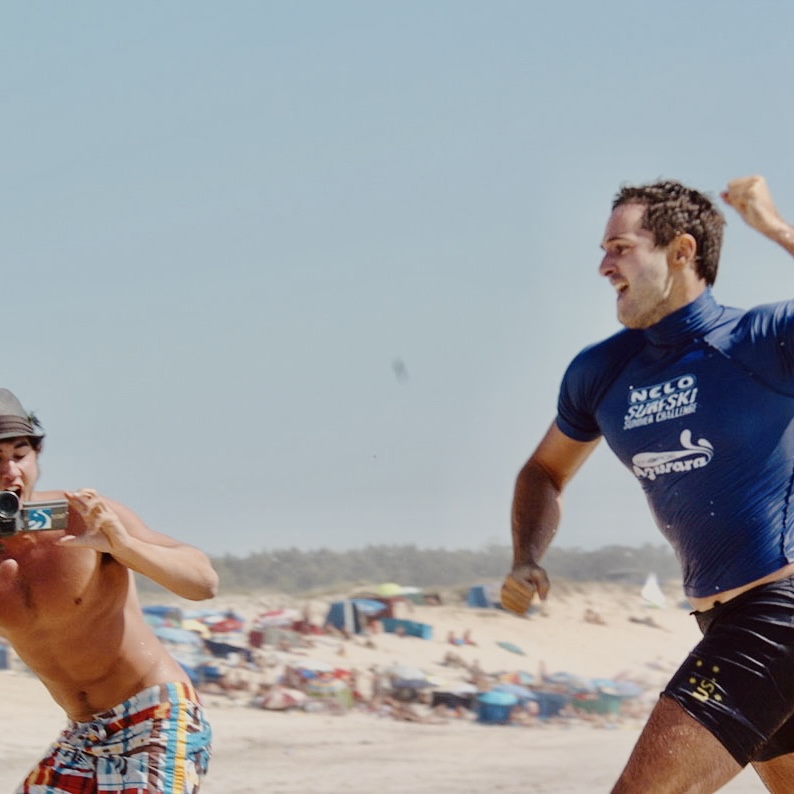
Last Thursday, I had the chance to visit Norwich, a city I knew little about before setting foot there. My knowledge was limited to a handful of scattered facts: that it boasts a magnificent cathedral, that naval hero Lord Nelson was from there, that Stephen Fry was on the board of Norwich City FC for a few years, and that Bill Bryson owned a home nearby, which inspired his book Home — a book I thoroughly enjoyed reading some years ago.
The main reason for my visit, however, was to meet Tim Scott from Norwich Canoe Club. Many in the paddling community had spoken highly of the club, describing it as a fantastic spot for canoeing. Yet, there was one thing everyone agreed on — it was remote, far from any other clubs.
The place exceeded my expectations. The club is located next to two rivers and two lakes! I could imagine myself in my top racing years happily doing long sessions on the river and fast quality work in one of the lakes. I had a lovely time talking to Tim, Dyson Pendle, and other club members I was introduced to. Tim and Dyson are very passionate and knowledgeable, and it’s no surprise that the club is thriving with such people behind it.
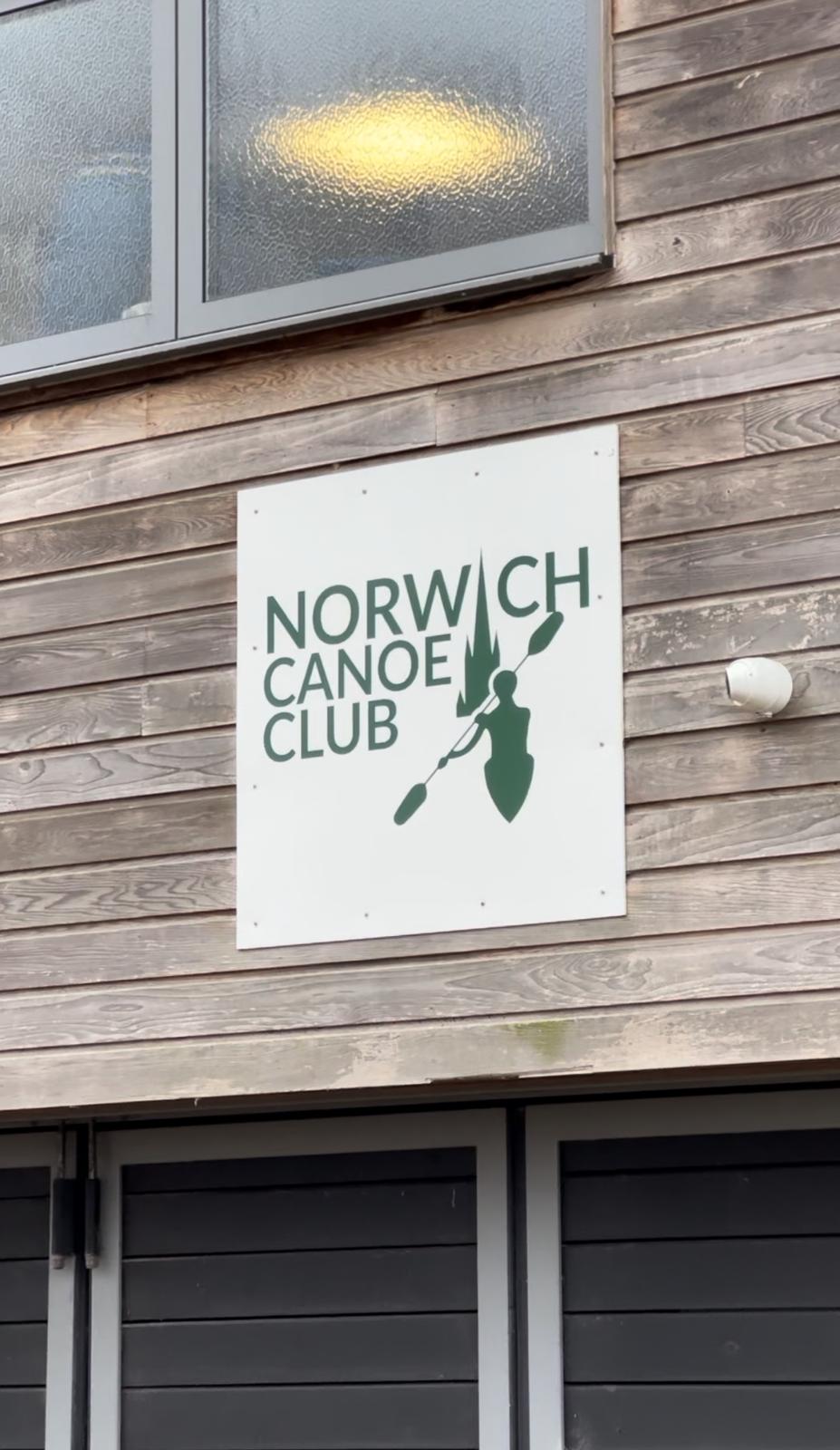
As has happened during my visits to other clubs, the conversations I had were very inspiring. I particularly enjoyed briefly discussing the topic of early versus late specialization with Tim and Dyson. Today, with a nice coffee in hand and the comfort of my home, I felt inspired to write down some thoughts on the topic.
Early vs. Late Specialization in Sports
A couple of years ago, I read a study that I found very interesting for parents and coaches working with young athletes. The study was a meta-analysis of 51 studies involving a total of 6,096 athletes, including 772 world-class athletes. The authors posed a fundamental question:
What explains the acquisition of exceptional performance — an intensive specialized approach or a multidisciplinary practice background?
The findings revealed that world-class adult athletes participated more in multidisciplinary sports during childhood or adolescence. On one hand, those who started their main sport later, accumulating less practice time in it, initially progressed more slowly. On the other hand, the highest-performing young athletes started their main sport earlier, became more involved in it, and engaged less in other sports, leading to faster initial progression.
Interestingly, the study draws parallels with scientific research and Nobel laureates. Many of these top academics accumulated experience in a multidisciplinary manner and had a slower initial progression in their fields. The findings suggest that multidisciplinary experiences in youth lead to a gradual initial progression, meaning it takes longer to reach elite levels, but the long-term sustainability of excellence is greater.
The Challenge of Delayed Success
For parents and coaches, this raises an important question: Do we have the patience to allow young athletes not to stand out too soon?
How does it affect an athlete’s motivation if they don’t excel early and must continue training and persevering, hoping that their true potential will emerge later? This is a difficult balance to strike, as motivation and self-belief are crucial for long-term development.
My Perspective: A Hybrid Approach
My take on early vs. late specialization may be slightly controversial, but I believe that early specialization can be beneficial in the long run—if (and this is a big IF) a young athlete also invests significant time in other activities until around the ages of 12 to 16 (or earlier, depending on the sport).
I have worked with many world-class athletes in diverse sports—canoeing (sprint and slalom), surfing, snowboarding, football, swimming—and they all had one thing in common: they specialized very early in their main sport, but they were also proficient in other sports.
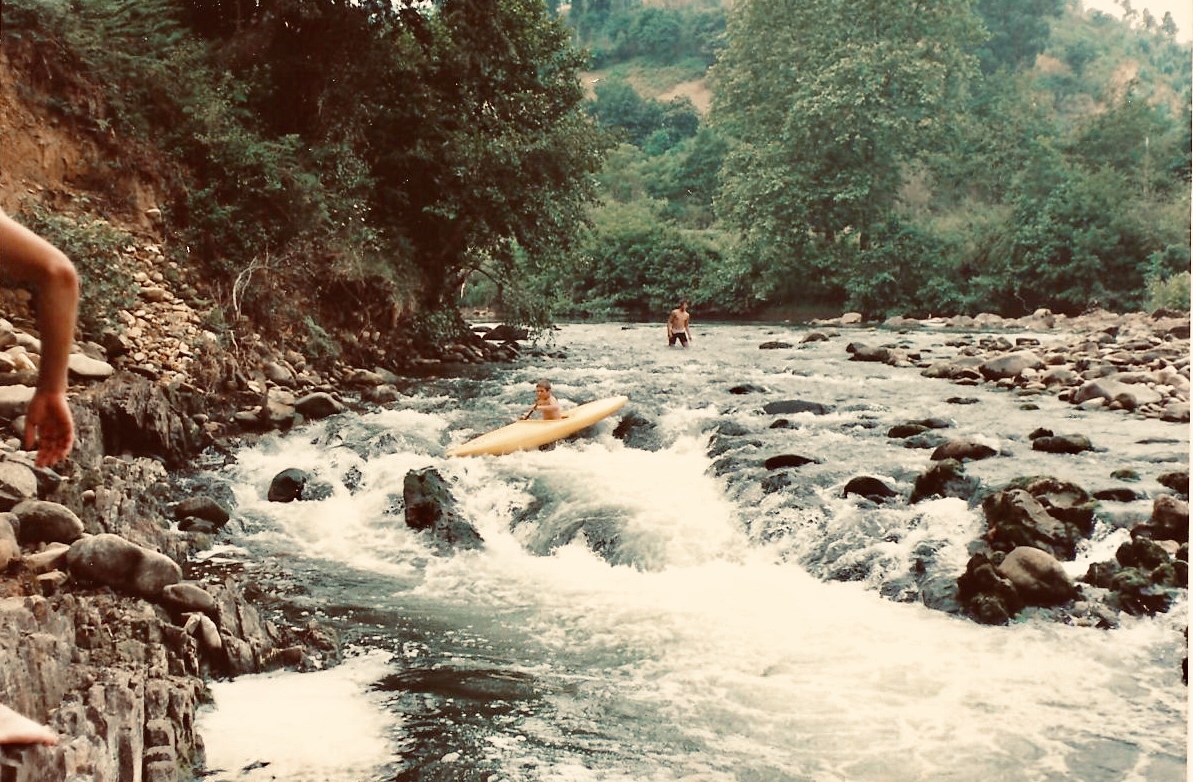
In my personal case, I started paddling at age 7. I had lots of fun but also trained quite a bit. When I was 11, I was winning all the local races and was among the best at the national level. However, I also played football (as a goalkeeper) and tried track and field, swimming, and karate before. By age 12, I was good at both canoeing and football, but I felt it was time to choose one, and I went with canoeing.
Even within canoeing, until I retired from a 15-year-long international career in sprint, I still competed in surfski, marathon, river races, canoe polo, and downriver.
That combination of intense early specialization alongside a multidisciplinary approach is, in my opinion, key to keeping an athlete motivated while developing a wide range of physical, technical, and mental skills that ultimately enhance performance in the main sport.
Of course, this approach isn’t a one-size-fits-all solution. Different sports require different timelines—gymnastics and figure skating, for example, often require earlier specialization. However, the core principle remains the same: allowing young athletes to explore multiple disciplines while maintaining a primary focus can foster both short-term performance and long-term success.
Perhaps the real challenge isn’t about choosing between early or late specialization but rather creating an environment where young athletes can develop holistically, ensuring they have the best possible foundation for sustained excellence.
 EKAITZ SAIES
Leave a comment