

My son and I often listen to a podcast channel called Noiser, known for its immersive and cinematic storytelling. Their engaging narration, combined with expert interviews, brings history to life in a vivid and compelling way. One of our favorite episodes explores the incredible story of Ernest Shackleton.
Last week, I found myself reflecting on the importance of taking a multidisciplinary approach when building a team—one in which each individual contributes uniquely to the collective success.
Ernest Shackleton’s legendary Antarctic expeditions offer profound lessons in team building that remain relevant today. His unique approach to recruitment and leadership was instrumental in navigating some of the most harrowing challenges in exploration history.

Prioritizing Character Over Credentials
Ernest Shackleton was highly selective in choosing his crew for the Endurance expedition (1914–1917), and his approach was unconventional. Unlike many explorers who prioritized only technical skills, Shackleton looked for resilience, adaptability, and camaraderie, knowing that survival in Antarctica would demand more than just competence. He believed that an individual’s character and temperament were as crucial as their technical skills. This perspective led him to select crew members based on their resilience, adaptability, and camaraderie. For instance, he often asked candidates unexpected questions, such as inquiring if they could sing, to gauge their temperament and ability to maintain morale under duress. This emphasis on personal qualities ensured that the team could work cohesively, especially when faced with adversity.
Fostering Inclusivity and Shared Responsibility
To promote unity, Shackleton dismantled traditional hierarchies. He assigned daily chores equally among officers, scientists, and seamen, ensuring that everyone contributed regardless of rank. This approach cultivated a sense of shared purpose and mutual respect, essential components for a harmonious team dynamic.
Building Camaraderie Through Social Engagement
Understanding the importance of morale, Shackleton made it a point to engage with his crew socially. He organized evening gatherings filled with songs, jokes, and games, creating an environment where team members could bond and rejuvenate. This practice not only alleviated stress but also strengthened interpersonal connections, contributing to the team’s overall resilience.
Selecting for Complementary Skills and Temperaments
Shackleton’s selection process was meticulous. He sought individuals whose skills and personalities complemented each other, ensuring a balanced team capable of handling diverse challenges. By valuing both technical expertise and personal attributes, he assembled a crew that was not only skilled but also adaptable and cohesive.
Emphasizing Resilience and Adaptability
In his final selections, Shackleton prioritized resilience and adaptability. He chose individuals who demonstrated unwavering determination and the ability to adjust to rapidly changing circumstances. This focus ensured that the team could persevere through the unpredictable and often perilous conditions of their journey.
Despite not achieving their original goal, the Endurance expedition became an extraordinary example of teamwork and perseverance. Every crew member survived the ordeal, a testament to Shackleton’s leadership and the crew’s unity. They worked together as a winning team until the very end.*
Incorporating Shackleton’s principles into modern team-building efforts can lead to the formation of resilient, cohesive, and high-performing teams. By valuing character alongside competence, fostering inclusivity, and promoting social cohesion, leaders can navigate their teams through today’s complex challenges.
The best lessons often come from real-life experiences.
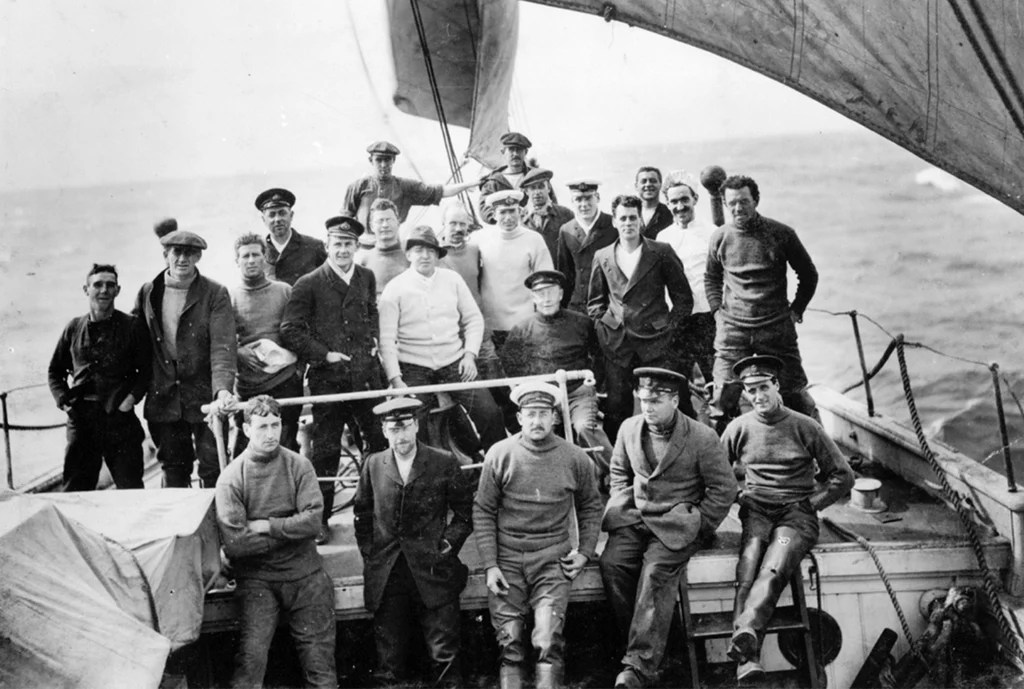


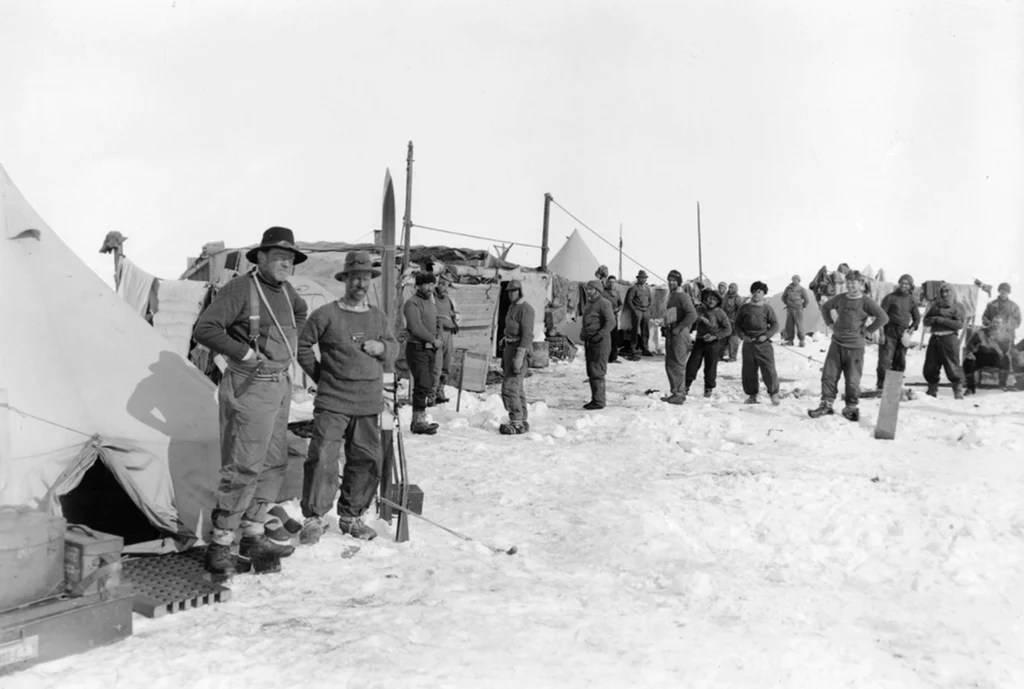
*Not everyone was perfect for the role due to the challenges, and some did not receive official recognition for their contributions.
 EKAITZ SAIES
Leave a comment