
Stress is often cast as the villain in our lives—something to be minimized, avoided, or conquered. Yet, in reality, stress is a critical ingredient for growth and adaptation. Whether we’re athletes pushing our bodies, parents navigating endless responsibilities, or leaders steering the ship in turbulent times, stress drives improvement. But here’s the catch: stress alone isn’t enough. For growth to occur, recovery is essential. Without it, we risk running out of fuel and burning out.
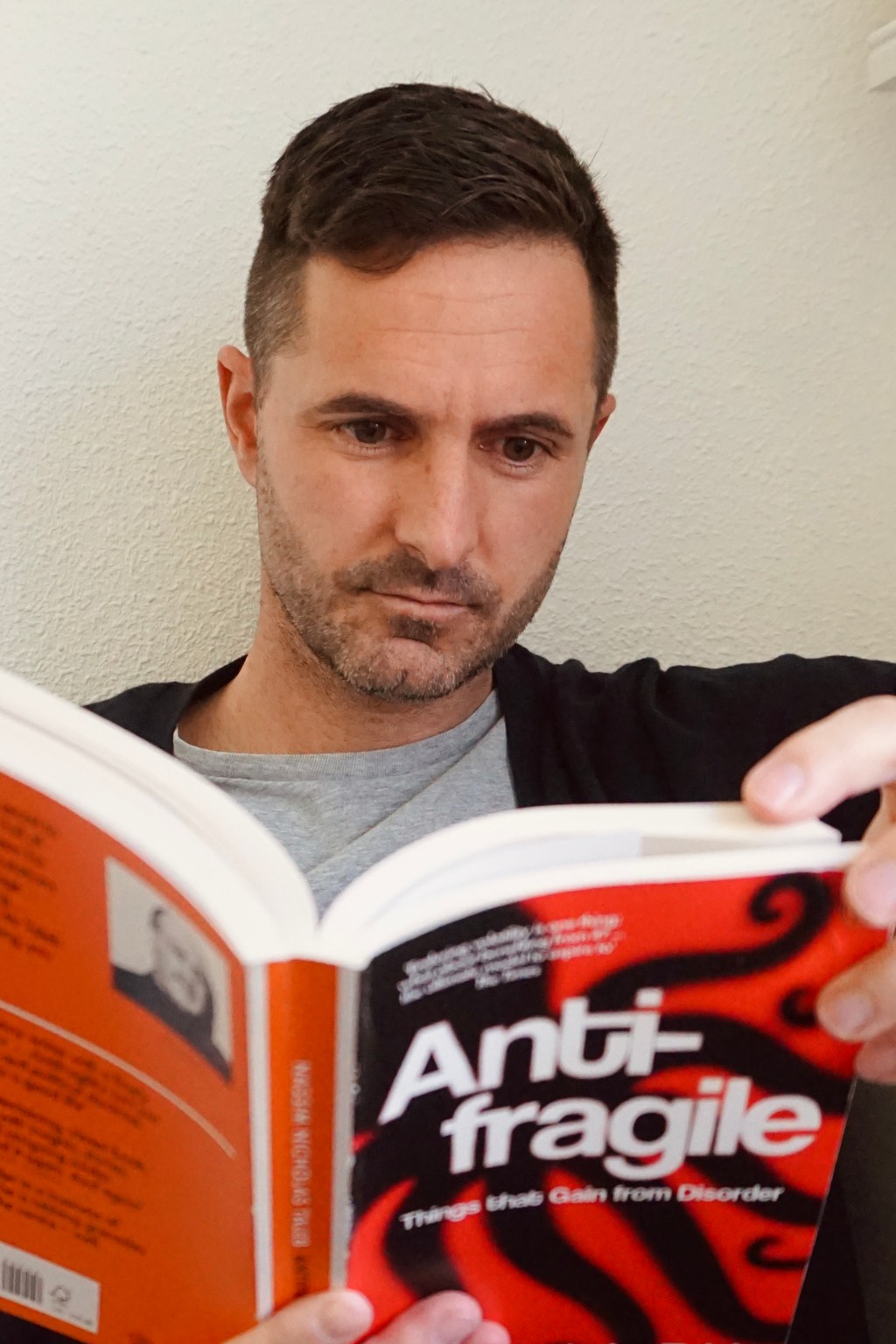
This interplay between stress and recovery is beautifully aligned with Nassim Taleb’s concept of antifragility. In his book Antifragile: Things That Gain from Disorder, Taleb introduces the idea that some systems thrive and grow when exposed to stressors, shocks, or volatility. Unlike fragile systems that break under pressure, antifragile systems emerge stronger because they’re designed to adapt and grow in response to challenges. The human body and mind are perfect examples of this dynamic.
For athletes, stress comes in the form of physical exertion. Lifting weights, running long distances, or honing technical skills all place strain on the body. Similarly, parents face the emotional and psychological stress of nurturing children, solving problems, and balancing family needs. Leaders encounter constant decision-making pressures, uncertainties, and leadership demands. These stressors push us to our limits, creating opportunities for growth—if we approach them the right way.
In Taleb’s framework, systems that are antifragile don’t just survive challenges; they improve through them. But this improvement is only possible if there is time and space for recovery. For athletes, rest days and sleep allow muscles to repair and grow stronger. Parents who carve out moments of solitude or connection with supportive networks recharge emotionally. Leaders who step back to reflect and recalibrate can approach problems with renewed clarity and creativity.
Without recovery, stress becomes destructive. A body that never rests will break down, a parent without support will lose resilience, and a business leader in constant overdrive risks burnout. Recovery doesn’t just prevent collapse; it’s the mechanism through which antifragility works.
The key to thriving under stress is finding the right balance. This means intentionally embracing challenges that stretch our limits, followed by deliberate recovery strategies.
By embracing stress as a tool for growth and pairing it with intentional recovery, we transform ourselves into antifragile systems. We don’t just survive life’s challenges—we emerge stronger, more resilient, and better prepared for what’s ahead.
Stress isn’t the enemy, and recovery isn’t a luxury. Together, they form the foundation of lasting growth. So, the next time you face a challenge, remember: it’s not the stress that defines you, but how you recover from it.

 EKAITZ SAIES
Leave a comment